Commercial Appraisal Perth County: Accurate Valuations for Better Business Outcomes
Appraisers do not create value, they translate market behavior into a number you can rely on. In Perth County, that number often decides whether a refinance closes, a purchase price holds, or a development moves forward. Lenders, investors, and owners want more than a report. They want a grounded perspective on a market that behaves differently from Toronto or Kitchener, with its own rhythms, constraints, and pockets of strong demand.
Perth County is a study in balance. Advanced manufacturing sits beside agri‑food operators, tourism in Stratford shares the calendar with harvest and winter slowdowns, and industrial users hunt for clean, serviceable buildings while smaller main street retailers still matter. Those realities shape commercial real estate appraisal in a way that a generic template never will.
The ground truth in Perth County
A commercial appraiser working here needs to know more than the approaches to value. You have to know where tenants actually sign, which streets pull foot traffic during the Festival, how loading and turning radii limit certain industrial sites, and when a former feed mill or a century warehouse carries hidden functional penalties.
The submarkets do not move in lockstep. Stratford’s downtown and east‑end industrial parks trade differently from Listowel’s highway‑oriented retail, which trades differently from owner‑occupied shops in St. Marys or Mitchell. A 12,000 square foot light industrial building with three dock doors on Lorne Avenue East will draw a different buyer pool and cap rate than a rural contractor’s yard near Sebringville with a Quonset and a small heated shop. That affects the direct comparison grid, the income approach assumptions, and the risk commentary a lender expects to read.
Deal sizes typically range from low six figures for small commercial condos or single tenant shops to multi‑million for larger industrial sites and hospitality. The data is uneven. Some trades hit MLS, others stay private, brokered through local relationships. An experienced commercial appraiser in Perth County earns their fee by confirming details that never make it into a headline number, like roof age, clear height, power service, and whether that “office mezzanine” is actually legal and permitted.
When valuation becomes mission‑critical
- Buying or selling a commercial property where price discovery is thin, such as small industrial in Stratford, highway commercial in Listowel, or mixed‑use main street assets across the County.
- Refinancing with a chartered bank or credit union that requires an AACI‑signed narrative appraisal compliant with CUSPAP.
- Estate planning, marital division, or shareholder buyouts where a fair market value opinion can prevent disputes.
- Development feasibility for commercial or mixed‑use land, from draft plan stage to shovel‑ready lots, where density, servicing, and timing drive residual value.
- Financial reporting, impairment testing, or insurance valuation where cost and depreciation must be defended.
These are familiar to lenders and lawyers here. The nuances, like legal non‑conforming uses or private servicing constraints, separate a clean closing from sudden friction.
Standards, independence, and the right designation
In Canada, commercial appraisal work that lenders rely on is governed by the Appraisal Institute of Canada. For commercial property, most institutions require an AACI designated appraiser who signs off under the Canadian Uniform Standards of Professional Appraisal Practice, CUSPAP. That standard is not paperwork for its own sake. It makes the difference between a narrative you can stake a loan on and a quick estimate that crumbles in credit review.
Perth County buyers sometimes assume that the Municipal Property Assessment Corporation, MPAC, can stand in for an appraisal. MPAC sets assessed values for property tax purposes across Ontario, using a mass appraisal model. It is not an opinion of market value for lending or transactional decision making. A commercial property appraisal in Perth County lives or dies on researched comparables, supported cap rates, and a defensible highest and best use analysis.
How value is actually built: the three approaches
Market value is never a single method exercise. The three classic approaches do different jobs, and the weight each one carries shifts with property type and data quality.
Direct comparison works best for small retail, mixed‑use main street, and simple industrial when there are usable sales. Comparable quality matters more than count. A Stratford storefront with a deep lot and upper apartments cannot be compared one to one with a shallow unit on a quieter block. Adjustments for square footage, frontage, condition, upper‑residential income potential, and parking can swing the value by a meaningful percentage. In Perth County, the best comparables are often 6 to 18 months old, and when data is sparse the reconciliation must explain why a slightly older sale still informs current value.
Income capitalization dominates for stabilized income properties. The steps are straightforward on paper, harder in practice. Appraisers estimate potential gross income, account for vacancy and credit loss, and subtract operating expenses to derive net operating income. Cap rates in Perth County are generally higher than in the GTA to reflect smaller tenant pools and liquidity risk. For small retail strips and modest industrial, stabilized cap rates often sit somewhere in the high five to low eight percent range, depending on covenant strength, remaining lease term, and asset quality. Hospitality and specialty assets can run higher. A 6.25 percent cap might be reasonable for a well‑located, fully leased small‑bay industrial property with clean environmental history. An older, functionally limited property with month‑to‑month tenants might justify 7.5 to 8.5 percent. Every percentage point moves value sharply, so the narrative must link the chosen rate to real trades and investor surveys.
The cost approach earns its keep for newer buildings, special‑use assets, or when land sales are available but income and comparable data are thin. Replacement cost new comes from credible sources and recent bids, then physical, functional, and external depreciation is https://www.linkedin.com/in/alex-rance-p-app-aaci-9591a259/ deducted. In Perth County, functional penalties can be non‑trivial. Think low clear heights under 14 feet, limited power, insufficient truck courts, or obsolete layouts that predate modern code. External obsolescence can reflect distance to major transportation corridors or limited labour pools for specialized manufacturing.
When owner‑occupation clouds the income story, reconciliation takes center stage. If a metal fabricator owns its 20,000 square foot plant, pays itself a rent that is either too high or too low, and uses half the yard for scrap storage, the appraiser must normalize the rent to market, strip out non‑realty components, and check the result against sales of similar owner‑user buildings.
Data realities and how good appraisers solve them
Perth County does not produce a deep stream of perfect comparables. Commercial appraisers here build value by triangulation. Broker interviews confirm lease terms and TI packages that the registry will never show. Site inspections measure clear heights and column spacing rather than trusting old drawings. Environmental risk is assessed at a practical level, with Phase I ESA triggers identified early, especially for former automotive, agricultural chemical, or dry cleaning sites.
Where cost data is needed, local contractor quotes often beat a national guide that lags behind material price moves. In the last few years, construction inputs did not move evenly. Steel and electrical work jumped, some finishes moderated, and labour availability shaped timelines. A proper cost approach reflects the mix.
Property types and their local quirks
Industrial is the workhorse. Demand for clean, heated, 8,000 to 30,000 square foot spaces with decent loading, 200 to 600 amp power, and good highway access stays consistent. Appraisers pay attention to ceiling height thresholds and the difference between a true dock and a creative grade‑level solution. For rural industrial or contractor yards, zoning compliance and legal non‑conforming status can make or break value.
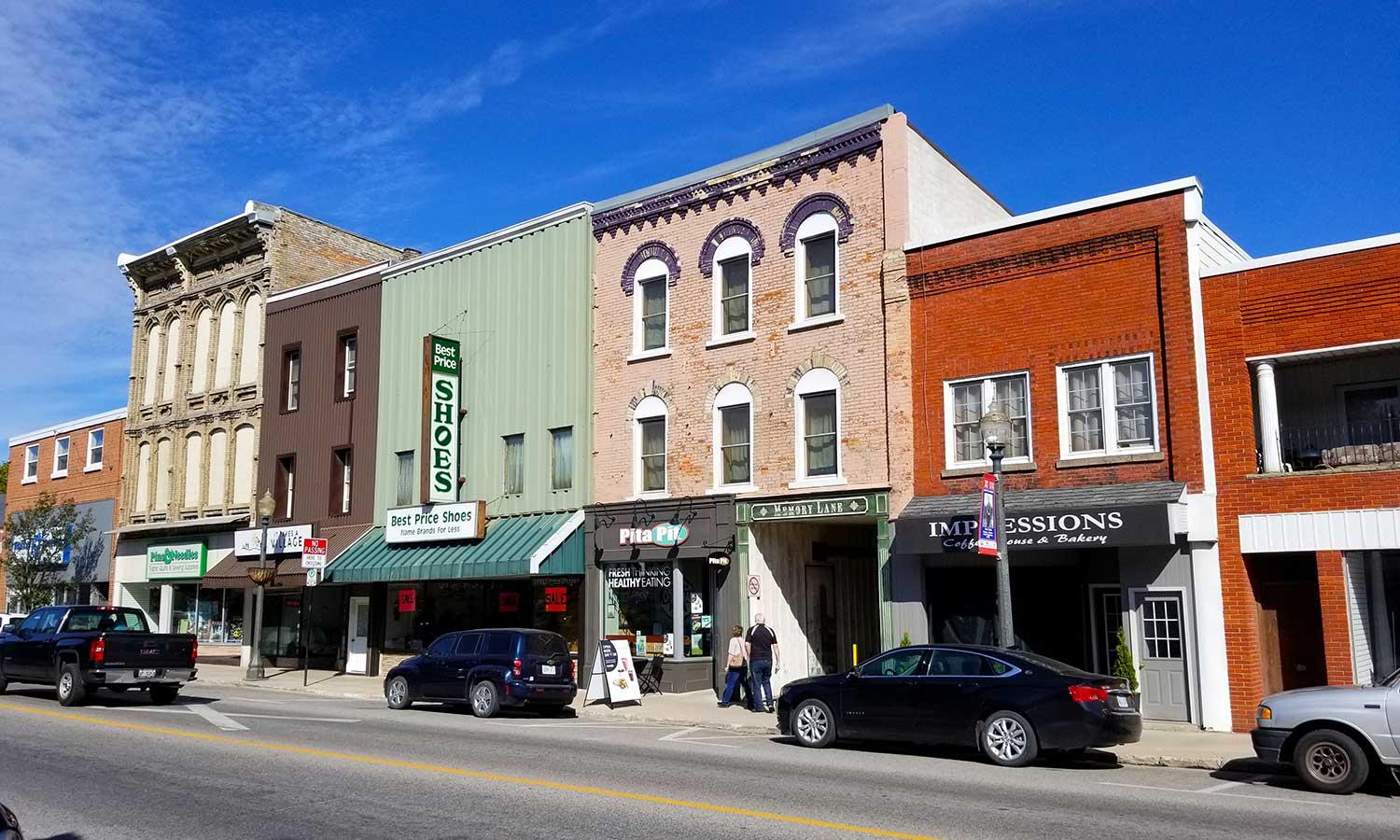
Retail runs on two tracks. Downtown Stratford benefits from tourism, especially during the Festival, but year‑round fundamentals still matter, like local service retailers and restaurants that carry winter months. Highway commercial in Listowel or along major routes depends on traffic counts and signage visibility. Lease structures range from net to semi‑gross for smaller units, and incentives show up as months of free rent rather than large cash allowances.
Office is modest in scale. Small professional suites above retail and low‑rise buildings near services trade hands more as income streams than as speculative plays. Vacancy assumptions vary widely by town and location, so a one‑size rate will not fit across the County.
Hospitality is volatile. Boutique inns in Stratford respond to seasonality and brand reputation. When an appraisal is for lending, stabilized revenue and expense modeling must reset unusual recent years, normalize management fees, and check against RevPAR and occupancy patterns that make sense for the market.
Development land forces the hardest questions. Servicing is the first. Without water and sewer capacity, timelines stretch and carrying costs rise. Zoning alignment with the Provincial Policy Statement and municipal official plans sets the parameters for density and use. Residual land value models are only as strong as their inputs for hard costs, soft costs, developer profit, and absorption. In smaller markets, sales velocity can be lumpy rather than smooth, so sensitivity analysis carries weight.
How a commercial appraisal engagement unfolds
- Scoping and reliance: the appraiser confirms intended use, client, property type, and required report format. Lenders usually ask for a full narrative report signed by an AACI.
- Document and data intake: leases, rent roll, site plan, surveys, environmental reports, permits, building drawings, and a history of capital expenditures provide the backbone.
- Inspection and verification: on‑site measurements, photos, and equipment checks. Follow‑up calls to brokers, municipal planners, and sometimes contractors round out the facts.
- Analysis and reconciliation: all three approaches considered where relevant, with one or two weighted for the asset class and data quality, then reason tested against market behavior.
- Delivery and dialogue: a lender underwriter will question elements. Good appraisers expect this, and they respond with support, not hedges.
Turnaround times typically run 1 to 3 weeks for straightforward assignments, longer for complex assets or when environmental reviews are pending. Fees vary with complexity rather than price, because a small, specialized shop with environmental hair can take longer than a larger clean box with five strong tenants.
Using valuation to drive better outcomes
Owners and buyers can do more than hand over files. If you are refinancing, provide the last three years of operating statements, current leases with all amendments, and evidence of capital work such as roof replacement, HVAC upgrades, or fire alarm modernization. For a sale, a recent survey and a clean list of permitted uses under current zoning will shorten credit review. On development land, clear up boundary or access issues before the valuation, not after.
A practical example helps. A Stratford manufacturer sought to refinance a 15,000 square foot plant. The owner paid itself rent based on a decade‑old benchmark, about 25 percent below current market for similar spaces. The appraisal normalized the rent to market, recognized the recent electrical upgrade and roof replacement, and supported a cap rate a half point tighter than a less maintained peer. The valuation came in meaningfully higher than the owner expected, and the refinance closed with better terms.
Another case: a small retail strip on a secondary Stratford street had two vacancies and short remaining terms on the others. Rather than letting the raw vacancy drag the value down, the appraisal modeled stabilized occupancy based on leasing momentum and comparable strips, included reasonable lease‑up costs and downtime, and reconciled the result with sales of similar assets after accounting for the time and cash to stabilize. The lender approved a holdback tied to leasing milestones, and the deal penciled for both sides.
Lender expectations and report types
Most banks and credit unions active in Perth County prefer a full narrative appraisal for commercial assets, not a short‑form or restricted‑use letter. They want to see highest and best use analysis, photos, maps, zoning confirmation, income and expense modeling, comparable sales write‑ups, and a clear reconciliation. Some will require the appraiser to be on their approved list. Many will ask for reliance by the lender even if the client is the borrower.
Reports must be independent. That means a commercial appraiser Perth County property owners hire directly will not advocate for a value target. Attempts to steer the number usually backfire. What does help is full transparency on lease renewals in progress, signed letters of intent, or renovations underway, with documentation the appraiser can include and a timeline that a lender will accept.
Common pitfalls that derail value
Lease abstraction errors create avoidable problems. A so‑called triple net lease that pushes snow removal back on the landlord or caps operating cost escalations is not truly net. When the appraisal reflects those reality checks, value drops from where the owner thought it would land.
Unpermitted additions and mezzanines can be costly in a valuation. An appraiser will ask for building permits and check conformity. Space that does not meet code or lacks permits may be valued as if it does not exist, or it may trigger a higher cap rate due to risk.
Zoning that permits a use on a legal non‑conforming basis is not the same as a as‑of‑right use. If the use stops for a certain period, or if damage occurs, restrictions can bite. A clean letter from the municipality clarifying status pays for itself.
Environmental risks do not hide well. A former service station site without a recent Phase I ESA will slow a lender at best, and can end a deal. Agricultural and light industrial sites need careful review for historical spills, solvent use, or storage tanks.
Private servicing, common in rural commercial properties, introduces constraints on occupancy and future expansion. Septic capacity and well yields must align with the actual or intended use. An appraiser will flag risks if documentation is missing.
Choosing a commercial appraiser in Perth County
Three tests matter. Designation and standards first, so look for an AACI who works under CUSPAP and carries professional liability insurance. Local knowledge second, because knowing which trades are apples to apples saves you from a pretty but shallow grid. Communication third, since lenders and lawyers will have questions and timelines will tighten. A commercial appraiser Perth County lenders trust will not overpromise, and will put their time into verification rather than glossy boilerplate.
When you ask for a quote on commercial appraisal services Perth County wide, share enough detail to let the appraiser set scope properly. Building size and type, address, intended use, need for reliance by a lender, and any quirks you already know. A straightforward Stratford industrial box with clean title and stable tenancy is one thing. A mixed‑use building with legacy residential units that have not been inspected or measured in years is another.
What buyers, owners, and developers can prepare in advance
A tidy data package is the cheapest way to gain days and confidence. Provide executed leases and amendments, a current rent roll with actual recoveries, recent operating statements, a survey or reference plan, environmental reports, building permits, a list of capital expenditures with dates and costs, and any recent quotes for repairs you intend to complete. If a property is mid‑renovation, lay out the scope, timeline, and budget. If a use is legal non‑conforming, include written confirmation from the municipality.
For land, add planning reports, correspondence with the municipality on servicing, draft plans, and any conditions of approval. The more precise the inputs, the less conservative the appraisal needs to be.
How appraisal insights translate into strategy
For a buyer, a detailed commercial property appraisal Perth County focused, can support price adjustments tied to real conditions rather than gut feel. A roof with two years left is not a rumor when the report shows photos, contractor quotes, and an allowance in the income model. For an owner, the valuation can justify a refinance that pulls equity out without tripping loan covenants. For a developer, a residual value that includes a realistic absorption schedule and cost contingencies can prevent a land purchase that looks cheap but is not.
Insurance uses the cost approach in a different way, resetting replacement cost without land and sometimes without certain finishes. If you are under‑insured, the gap becomes obvious. If you are over‑insured, the premium savings pay for the appraisal.
Tax matters are separate. MPAC sets assessed values for municipal taxation, and there is a process for appeal. A commercial appraisal can inform your position, but the frameworks are different.
Market forces to watch
Interest rates ripple through cap rates and lender appetite, but not in a straight line. Smaller markets often lag in both directions. Construction costs matter for the cost approach and for development feasibility. Land and servicing availability, especially industrial lots with turn‑key utilities, will push values for functional existing buildings if new supply is slow.
The Stratford Festival’s health is a bellwether for certain retail and hospitality, but the county’s manufacturing and agri‑food base drives industrial stability. Transportation improvements along the Highway 7 and 8 corridors affect site selection and commute patterns, which in turn influence tenant demand.
Population growth is measured rather than explosive. That favors steady rather than speculative underwriting. For cap rates, watch the spread to government bonds, lender stress tests, and actual net rent growth in signed leases rather than ask rents alone.
What a well‑supported number looks like
By the time a commercial appraisal Perth County lenders accept lands on your desk, it should feel inevitable. The comparable sales read as peers, not places you have to squint at. The income approach builds from the leases you can see and market evidence for vacancy, expenses, and cap rate. The cost approach sits in the background, ready to anchor value if the other methods wobble, or to check for land value reasonableness.
The narrative will not hide uncertainty, it will bound it. Where data is sparse, it will say so and explain why the chosen path still makes sense. Where a building’s quirks cut both ways, the trade‑offs will be explained. If you can read the report and see your property in it, not a stock template, you are dealing with a professional.
The payoff for getting it right
Accurate valuations move business forward. A buyer avoids overpaying for charm that does not cash flow. An owner secures better financing by documenting condition and tenancy the right way. A developer takes land risk with eyes open, backed by numbers that match local reality. That is the standard to expect from a commercial real estate appraisal Perth County market participants rely on.
When you hire, look for evidence of lived experience in this region, not just credentials. Ask how the appraiser handles thin data, legal non‑conformity, and environmental flags. Listen for specifics about Stratford, St. Marys, Listowel, and the smaller towns that fill in the grid. Then give them what they need to do their job, and hold them to the bar that your capital deserves.