Commercial Building Appraisal Cambridge Ontario for Retail and Mixed‑Use Properties
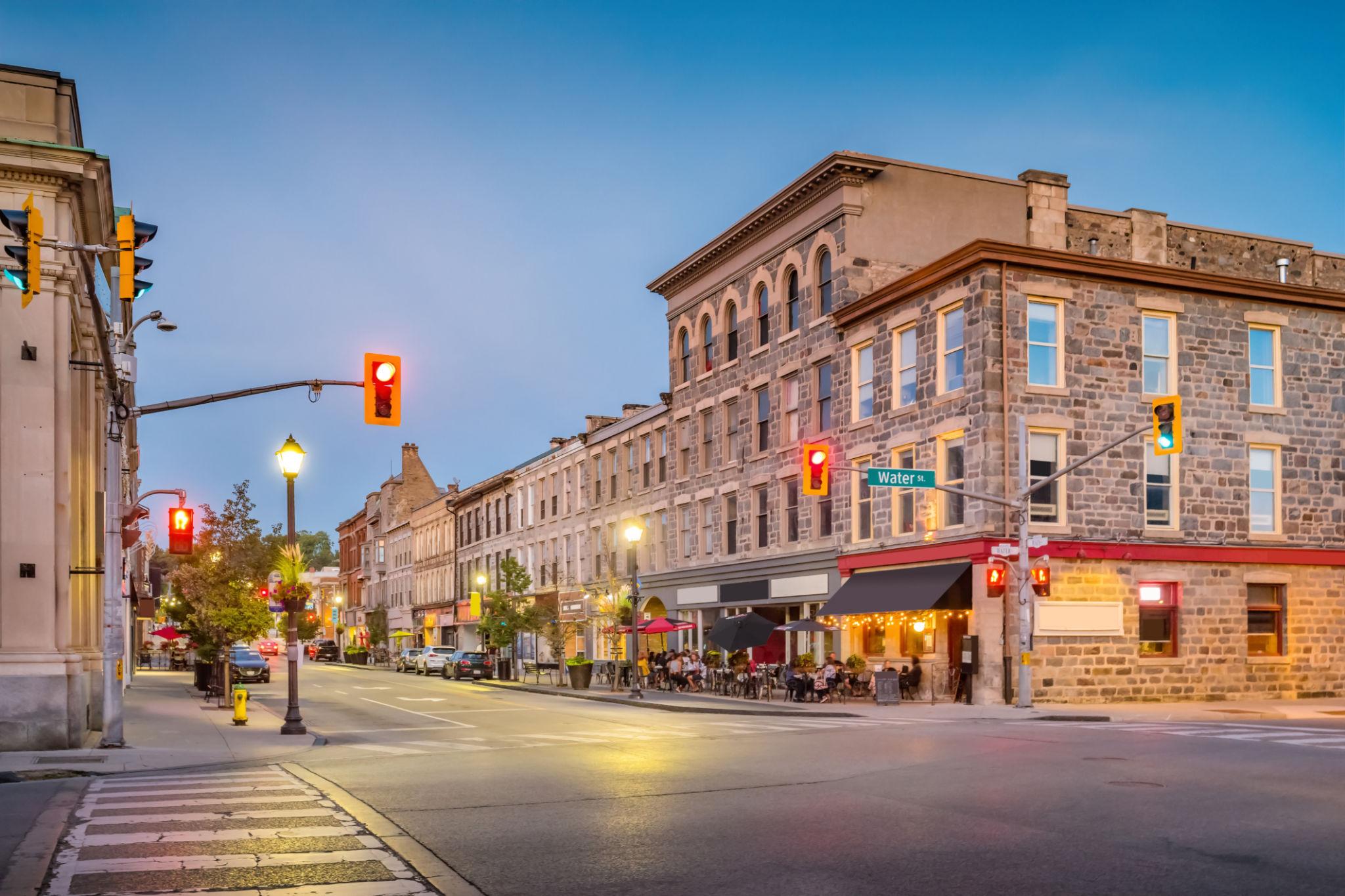
Commercial real estate in Cambridge sits at an interesting crossroads. The city has three historic cores, Galt, Preston, and Hespeler, plus a dominant retail corridor along Hespeler Road. Inventory ranges from century brick blocks with storefronts and flats above, to mid‑century plazas, to newer multi‑tenant pads with drive‑thrus. That variety is good for investors, but it complicates valuation. A defensible appraisal must reconcile location nuance, lease quality, building condition, and realistic expectations for rent and vacancy. It also has to reflect how lenders and municipal policies in Cambridge and the Region of Waterloo treat retail and mixed‑use assets.
This guide draws on practical appraisal work and transaction support across Southwestern Ontario, with a focus on what affects value in Cambridge. Whether you are ordering a commercial building appraisal in Cambridge Ontario for financing, tax appeal, acquisition, or estate planning, the core principles are the same, but the weight each factor carries can differ property to property.

Why a purpose‑built approach matters in Cambridge
Two identical buildings seldom exist here. A ground‑floor retail bay on Ainslie Street in Galt with two storeys of apartments above behaves differently from a similar building on Hespeler Road. Street retail trades more on pedestrian traffic, heritage character, and destination tenants. The arterial corridor chases daily vehicle counts, signage exposure, and national covenants. Valuation must widen or narrow its lens accordingly.
Local policy adds another layer. Cambridge and the Region of Waterloo emphasize intensification along transit corridors and in the cores. That can lift land value where assembly or additional density is viable, even if current income looks light. At the same time, older mixed‑use stock in the cores often carries deferred capital needs, limited parking, and code constraints. Value can move up or down fast depending on how an appraiser weights upside potential against near‑term cost.
A seasoned commercial building appraiser in Cambridge Ontario will probe these tensions rather than apply a one‑size‑fits‑all cap rate.
What lenders, buyers, and the city expect from an appraisal
Most readers come to a commercial property assessment in Cambridge Ontario looking for one number. Banks and credit unions want supportable market value with transparent assumptions. Buyers want a sense check on price and risk. The City is concerned with compliance, taxes, and fit with planning goals. A credible report brings those threads together.
Expect three valuation approaches to be considered. The income approach usually leads for leased retail and mixed‑use. The direct comparison approach offers a market reference point if comparable sales exist and are truly comparable. The cost approach helps when a special‑purpose building or a new build lacks stabilized income, or when land value is the real driver. Good appraisals do not shoehorn all three if two are clearly superior, but they explain why.
Equally important, the narrative should place the property in Cambridge’s micro‑markets: the Galt, Preston, and Hespeler downtowns, industrial lands east of the 401, Hespeler Road’s strip of power centers and pads, and emerging mixed‑use nodes along future rapid transit alignments. A paragraph that simply says “Cambridge is part of the Kitchener‑Waterloo‑Cambridge CMA” misses the point.
The income approach, without shortcuts
Retail and mixed‑use buildings trade on the reliability and growth of their net operating income. Getting to a defensible NOI takes work.
Start with leases. In Cambridge, older mixed‑use buildings often carry gross or semi‑gross leases that include some utilities and soft costs baked into the rent. Newer plazas tend to be on triple‑net leases where tenants pay their own share of taxes, insurance, and common area maintenance. Appraisers must normalize to an economic net basis so that cap rates apply apples to apples.
Vacancy and credit loss should reflect actual experience and market evidence. A 3 to 6 percent vacancy and collection allowance is common for stabilized strip retail in strong locations, but older downtown stock with thinner tenant rosters might warrant 6 to 8 percent or more. High‑exposure pads with drive‑thrus can underwrite closer to 2 to 3 percent if the covenant is strong and term is long. Many mistakes happen because the allowance is copied from a previous report rather than supported by the subject’s leasing history and current availability nearby.
Operating expenses deserve the same scrutiny. Insurance costs spiked in recent years for mixed‑use properties with residential units above commercial. Snow removal, landscaping, and waste collection costs on small sites with no room for bins can be higher per square foot than a large plaza that benefits from scale. Heritage façades in Galt or Preston can add real maintenance cost that TMI recovers only partially under older leases. A credible appraisal adjusts.
Cap rates in Cambridge for neighborhood retail and mixed‑use typically fall in a band that reflects local tenant mix and building age. As a broad frame, stabilized strip retail in secondary Ontario markets has, in recent cycles, traded anywhere from the mid 5 percent range for prime, newer assets with national tenants, to the high 6 or low 7 percent range for older, smaller centers with local covenants. Downtown mixed‑use with apartments above retail can tighten if residential income is strong and units are renovated, but cap rates can also widen if the retail is fragile or vacancies persist. The point is not to anchor to a single figure. The appraiser should cite recent Cambridge or nearby Kitchener‑Waterloo sales with real adjustments, then reconcile to a justified rate for the subject.
A brief illustration helps. Consider a 12,000 square foot plaza on Hespeler Road with four tenants, triple‑net, average base rent of 28 dollars per square foot, and recoveries of 11 dollars per square foot. If stabilized vacancy and credit loss is 4 percent and non‑recoverable expenses sit near 1 dollar per square foot, the economic NOI works out near 28 dollars times 12,000 equals 336,000, plus recoveries 132,000, less vacancy on gross potential, then less non‑recoverables. At a 6.25 percent cap rate, the value indication might cluster around 5.1 to 5.3 million, before looking at lease term, options, and any near‑term rollover. Small shifts in cap rate or market rent can move the conclusion by hundreds of thousands of dollars.
Direct comparison, when comparables are not comparable
Sales evidence in Cambridge can be thin in any given quarter, especially for mixed‑use buildings that vary widely in condition. Smart commercial appraisal companies in Cambridge Ontario widen the search radius to Kitchener, Waterloo, Guelph, and Brantford, then apply rational adjustments for location, size, age, and income risk. A three‑storey brick building on Main Street in Galt with two renovated residential floors above is not directly comparable to a vinyl‑sided walk‑up with marginal storefronts in a tertiary town. Yet both can inform the subject if you adjust transparently.
One practical tip, separate land value influence. If a buyer paid a premium because they intended to assemble and redevelop under a more intense zoning, recognizing that motive matters. An older single‑tenant building on a large corner lot near an intensification corridor may have sold for more than its income warranted. Unless the subject shares that redevelopment profile, down‑weight those comps.
Price per square foot can be a valid check, but only after you reconcile the income characteristics. Many owners of mixed‑use stock fixate on a neighbour’s sale at, say, 400 dollars per square foot. If that neighbour had market‑rate apartments, new sprinklers, and a ground‑floor tenant under a 10 year lease, the number will not translate to a subject with dated suites and month‑to‑month retail.
Cost approach and the role of land
New construction and special‑use components make the cost approach useful, even for income assets. A recently built pad with a drive‑thru can be valued by land, plus current reproduction cost less physical, functional, and external depreciation, then cross‑checked against the income. Commercial land appraisers in Cambridge Ontario factor in frontage, access, traffic counts, and planning permissions. The Region’s priority for intensification, parking minimums or maximums, and site plan requirements all affect feasible density and therefore land value.
Vacant commercial land along Hespeler Road, near major intersections, tends to command higher prices per acre than side‑street parcels in the cores. But small downtown sites can surprise on a per square foot basis if they support mid‑rise mixed‑use under current zoning and design guidelines. Appraisals should reflect realistic development timelines, holding costs, and the probability of achieving desired density. Pure theoretical density that requires variances or assembly belongs in a sensitivity analysis, not as the central value premise, unless the owner has advanced approvals in hand.
Zoning, planning, and practical constraints
Zoning in Cambridge varies widely across the three cores and the arterial corridor. Mixed‑use permissions can allow residential above commercial, but there are limits on use, height, and parking that affect value. Heritage conservation districts and listed properties add permit layers for façade changes, windows, and signage. That is not automatically negative. Thoughtful restoration in a visible block can lift rents and attract destination tenants. It does, however, increase timelines and soft costs, which should be captured in cash flow underwriting.
Parking is a recurring issue. Downtown buildings often rely on municipal lots or on‑street spaces. Lenders ask how practical that is during peak hours and whether the tenancy profile aligns with available parking. Specialty retail and food tenants with heavy evening traffic can coexist with residential upper floors, but conflicts arise if soundproofing and exhaust are weak. From a valuation standpoint, the presence of rear lane access for deliveries, basement egress, and fire separations between units can move the needle. These are not cosmetic. They bear on risk, insurability, and leaseability.
Transit planning also matters. The Region of Waterloo continues to plan the extension of rapid transit to Cambridge. Appraisers should note the status without overpromising. Proximity to a future stop can add a speculative premium if approvals advance, but value today hinges on current access, not hopes.
Environmental and building condition realities
Cambridge grew on industry. Former mill and manufacturing sites, especially near the rivers and rail, may carry environmental risk. Buyers and lenders commonly request a Phase I Environmental Site Assessment for commercial properties, and Phase II if red flags appear. Dry cleaners, automotive uses, printing, and even older fill can complicate a deal. An appraisal that ignores probable remediation or stigma overstates value.
Building systems in older mixed‑use stock deserve a sober look. Knob and tube wiring in apartments above retail makes insurers twitch. Shared HVAC between restaurant and residential leads to complaints and higher maintenance. Fire separations, sprinklers, and fire alarm panels in three‑storey walk‑ups are not optional under today’s code if you plan to intensify or change use. These issues do not automatically kill value. They do, however, shift cap rate and reserves for replacement. A report that simply applies a generic allowance per square foot misses where the real money will go.
Residential units above retail, and what that means for value
Apartments above storefronts can be the stabilizing force in a mixed‑use building. Rents for renovated units in Cambridge’s cores have grown in recent years, with one‑bedroom and two‑bedroom units often achieving strong demand if layouts are functional and finishes are current. That income can tighten the overall cap rate if tenants are stable and turnover is manageable.
Two cautions arise often. First, rent control under Ontario’s Residential Tenancies Act depends in part on the date of first residential occupancy for the unit. Newer units may be exempt from certain guideline increases, while older units are not. Details change over time and can materially affect the growth profile. An appraiser should not assume best‑case rent lift without understanding the building’s history and the current regulatory landscape.
Second, legal status matters. Apartments carved from former storage rooms without proper permits or fire separations present risk. Lenders may ignore that income or discount it heavily. If legalization is feasible, the cost and timeline should be in the valuation. If not, the appraiser should treat the units as non‑conforming and model a path to conformity or removal, with value implications.
Taxes, MPAC assessments, and appraisal differences
Market value for financing or sale is not the same as MPAC assessed value for property tax purposes. In Cambridge, assessed values may lag market movements by years. Owners sometimes hire commercial property assessment specialists in Cambridge Ontario to appeal MPAC when a building’s income has fallen, significant vacancy exists, or physical condition deteriorates. An appraisal prepared for financing can inform that process, but the standards and timing differ. Your appraiser should be clear about the assignment’s purpose and whether the report is suitable for tax appeal.
On the expense side, municipal taxes feed directly into TMI and tenant occupancy cost. A re‑assessment that lifts taxes can strain marginal tenants. Prudence suggests underwritten rents and recoveries allow for some tax drift, not just a snapshot.

What separates a good commercial building appraiser in Cambridge
The best commercial building appraisers in Cambridge Ontario spend time on site and in leases, not just in databases. They know which blocks in Galt truly command premium retail rents and which only look pretty on a sunny day. They can articulate why a national tenant in a small plaza on the 401 corridor supports a tighter cap than a local service tenant with a short term and no options. They ask about roof age, rooftop rights, and whether the HVAC units are landlord or tenant owned. They do not rely on a single external data source, but triangulate from brokerage intel, public records, and real conversations.
A brief anecdote illustrates the difference. A mid‑sized strip on Hespeler Road lost a bank branch that had anchored the endcap. A quick look suggested a valuation hit. On inspection, the former branch had a double drive‑thru and a vault that limited re‑tenanting. A generic market rent assumption would have been wrong. The owner worked with a fast‑casual chain willing to retrofit the drivethru, at a lower base rent but with a sizable tenant improvement package and a 10 year term. The appraisal model, adjusted for the retrofit period and the new rent structure, supported a refinance at a cap rate only 25 basis points wider than stabilized, because the lease term and drivethru value mitigated risk. Without that nuance, value would have been understated and financing options constrained.
Data and adjustments that hold up under scrutiny
Lenders in Cambridge and across Ontario increasingly ask for rent roll audits and https://penzu.com/p/99b7e5238930802f lease abstracts within the appraisal. Clauses on exclusivity, co‑tenancy, radius restrictions, demolition, and relocation rights can change risk. So can percentage rent thresholds for certain retailers. In mixed‑use, utility metering and allocation between commercial and residential units affects both expenses and tenant satisfaction. Appraisers should not gloss over “inclusive hydro” language in residential leases or “landlord maintains HVAC” in retail leases.
Market rent studies need granularity. For example, in the cores, renovated brick‑and‑beam space with high ceilings can command a premium over narrow, deep bays with low light. Rents for cannabis retailers, where allowed, may not be repeatable for a future tenant mix. Medical users with specialized build‑outs often pay above market but look for inducements and longer free rent. Each of these factors changes effective rent and downtime at rollover.
Capex and reserves deserve numbers, not placeholders. Roof replacements on a 5,000 square foot flat roof can run from the mid five figures to over 100,000 dollars depending on system and insulation. Tuckpointing brick on a three‑storey façade can quietly chew through 50,000 dollars over a few years. Elevator installation in a walk‑up to meet accessibility goals is a six‑figure decision. If the appraisal posits premium rents upstairs, it should grapple with those costs, not wave them away.
The appraisal process, step by step
For owners and lenders, clarity on process reduces friction. Expect the following stages when engaging commercial appraisal companies in Cambridge Ontario.
- Scope the assignment, define purpose, client, use, interest appraised, and assumptions. Confirm if land value, as‑is, as‑if stabilized, or as‑complete opinions are required.
- Gather documents, leases, rent roll, operating statements, plans, surveys, environmental and building reports, and any capital budgets.
- Inspect the property, exterior, interior, roofs if safe, mechanical rooms, and a sample of residential units, plus the surrounding streetscape.
- Analyze market data, sales, listings, rents, expenses, vacancy, trends in Cambridge and nearby markets, and relevant planning context.
- Reconcile approaches, draft the report, run sensitivity checks, address lender conditions, and finalize with certifications and limiting conditions.
Turnaround times range from one to three weeks for typical properties, longer if data is thin or scope expands to multiple scenarios.
What to prepare before ordering an appraisal
Owners who prepare well reduce cost and delay. The following items are the ones appraisers and lenders ask for most often in Cambridge.
- A current rent roll with suite numbers, rentable areas, lease start and end dates, options, and base rent and TMI breakouts.
- Full copies of all leases and amendments, not just offer summaries. Residential leases can be summarized if standardized.
- Operating statements for the last two to three years with a year‑to‑date, including details on non‑recoverable expenses and capital items.
- Any environmental, building condition, roof, or fire safety reports from the last five years, plus a survey and site plan if available.
- A list of recent capital improvements with dates, warranties, and costs, for example, rooftop units, façade work, paving, or window replacements.
If documents are missing, say so early. A good appraiser will adjust the scope or add assumptions transparently.
Case sketch, downtown mixed‑use
A three‑storey building in Galt’s core had 2,500 square feet of ground‑floor retail and six apartments above. The owner had renovated four units to a high standard, left two dated, and held the retail at a below‑market rent to a loyal local tenant. On paper, the in‑place cap rate looked low if you used market rents upstairs and marked the retail to market. But realities intruded. The stairwell and common areas needed fire upgrades for higher density, estimated at 80,000 to 120,000 dollars. The roof was five years from end of life. Residential turnover had spiked during renovations, implying higher downtime and incentives.
The appraisal modeled as‑is value using in‑place income and realistic vacancy, then an as‑stabilized scenario assuming the remaining two units were renovated, the retail was marked to market after the current term, and capex was spent. The lender used the as‑is for loan sizing, with a holdback against the stabilization plan. Value was not the single number the owner hoped for, but the two‑stage view matched how the property behaved. More important, it unlocked financing that would have been out of reach if the appraiser had taken the rosiest version of market rent without the cost to reach it.
Land under the building, and redevelopment signals
Even stabilized retail and mixed‑use should be scanned for land value triggers. Corner sites with generous setbacks, single‑storey improvements, and permissive zoning can carry embedded options. Along Hespeler Road, a dated 7,000 square foot strip on a one‑acre parcel might be worth more as a mixed‑use redevelopment if access, services, and planning align. In the cores, mid‑block lots with lane access can intensify vertically within character guidelines.
Commercial land appraisers in Cambridge Ontario test these ideas without overreach. They check lot coverage, height limits, step‑backs, parking ratios, and heritage overlays. They also consider market absorption. A site that can support 50,000 square feet of mixed‑use on paper still needs tenants and residents who will pay rents that justify the build. Construction costs and financing conditions set the feasibility bar. If the subject is many steps away, income value rules today, with a land option premium only if probability and timing are credible.
Risks that deserve daylight
No appraisal removes uncertainty. It should, however, put the right risks under the light.
- Lease rollover within 12 to 24 months that concentrates on a single large tenant.
- Structural issues masked by cosmetic updates, for example, shifting in older rubble foundations near the river.
- Access or visibility changes due to planned roadworks or median installations along arterials.
- Competing supply, such as a new food store or service cluster that could siphon foot traffic from a fragile main‑street block.
- Regulatory shifts, whether parking minimums in the cores or changing interpretations of mixed‑use permissions.
These are manageable with pricing, reserves, and active leasing. They are not manageable if ignored.
Choosing the right partner
You will find several commercial appraisal companies in Cambridge Ontario and beyond that serve this market. When shortlisting, ask for recent experience with properties of your type and size within the city, not just in the broader region. Request anonymized excerpts that show how they handled mixed‑use complexities, for example, rent control analysis, heritage constraints, and retail tenant health. Clarify turnaround, fees, and whether the appraiser will engage directly with your lender to satisfy conditions. For land‑heavy assets or redevelopment plays, confirm the firm has commercial land appraisers in Cambridge Ontario who can credibly model highest and best use without drifting into speculation.
Local familiarity is not a luxury here. It is the difference between a report that passes underwriting at a fair loan‑to‑value and one that bounces back with avoidable questions.
A final word on expectations
Value is a range narrowed by facts. In Cambridge, facts include the tenant’s actual sales trajectory, the real cost to cure building issues, the street’s leasing depth, and the city’s planning posture. Bring those into the open, and a commercial building appraisal in Cambridge Ontario for retail and mixed‑use properties becomes a tool you can act on. Hide them, or smooth them out, and you set yourself up for surprises.
For owners, that means tracking leases, expenses, and capital work with discipline. For lenders and buyers, it means asking for appraisals that speak in specifics, not generalities. For appraisers, it means walking the block, reading the leases line by line, and letting Cambridge’s neighbourhoods tell you how they actually perform.