Commercial Property Appraisers Grey County Talk Industrial, Retail, and Office Valuations
The phone rarely rings for a routine assignment in Grey County. It is usually a manufacturer considering an expansion, a lender underwriting a refinance, or a landlord weighing a tenant inducement on a Main Street storefront that has seen brighter summers. Appraising commercial real estate in this part of Ontario requires more than a spreadsheet and a template. It asks for local fluency, because markets here pivot on snow seasons, highway access, power availability, and the steady pull of the Greater Toronto Area two hours to the south.
I have worked as a commercial appraiser in Grey County long enough to watch Owen Sound sheds turn into distribution hubs, small town clinics tighten their leases with health authorities, and retail corridors in Thornbury see weekend spikes that rival urban footfall. The county’s industrial base stretches from fabrication shops in Hanover to agri‑food processors near Markdale, while its retail and office inventory tilts toward owner occupied properties, mixed tenancies, and government or medical anchors. Below are the realities that shape valuations for industrial, retail, and office assets, as well as the tradeoffs and judgment calls that matter when you are hiring commercial property appraisers in Grey County.
What makes Grey County different
The county’s geography sets the table. Highway 6 and 10 funnel freight and workers north and south, Highway 26 feeds the Blue Mountains and Collingwood area, and Owen Sound functions as a service hub for a wide rural catchment. Winters matter. Seasonal tourism swells cash registers along the bay, but snow also stretches delivery times and elevates operating costs for industrial yards and big box roofs.
Demand drivers come from three directions. First, spillover from the GTA brings entrepreneurs who prefer cheaper land and simpler permitting. Second, the local economy still leans on manufacturing, agri‑business, and construction trades, all of which consume industrial space with power, light crane capacity, and drive‑in or dock access. Third, service and government employment anchors office tenancies, with clinics, social services, and education users often taking head leases where private sector office demand is thin.
The market is relatively thin for true institutional product. That means price discovery relies on well chosen comparables, qualitative adjustments grounded in fieldwork, and careful interpretation of cap rates rather than blind reliance on a national dataset. A commercial real estate appraisal in Grey County that ignores the texture of this market can be technically sound and still wrong in practice.
Three lenses, one asset: the appraisal approaches that actually get used
Appraisers, lenders, and investors in Grey County routinely triangulate value through the income approach, the direct comparison approach, and the cost approach. The weight each deserves depends on property type and data quality.
For income producing industrial, retail, and office properties, the income approach usually leads. Market rent must be separated from contract rent when leases are out of step, and additional rent recovery should be parsed carefully. In the county, many leases use a net structure but with informal reconciliations, especially in mom‑and‑pop retail. I often normalize expenses, add a stabilized vacancy allowance of 3 to 7 percent depending on node and asset quality, and capitalize the resulting net operating income with a rate supported by comparable trades and offerings. In some submarkets, a discounted cash flow adds clarity when rollover is concentrated in early years.
Direct comparison helps anchor values for owner occupied industrial buildings and small retail where income evidence is thin. Here, adjustments for building size, site coverage, clear height, power service, and location carry more weight than in urban markets because a thirty minute drive changes both labor access and winter logistics. I prefer verified transactions within an 18 to 24 month window. When the dataset is thin, I will include older sales but weigh them lightly, then reconcile to current list‑to‑sale dynamics observed through broker interviews.
The cost approach still has a role in Grey County. For newer industrial with straightforward construction or for special‑purpose assets, replacement cost new less depreciation can anchor the low end of a range, particularly when land sales are available along Highways 6 and 10 or near Owen Sound’s industrial parks. Functional obsolescence needs deliberate treatment in older mills, former automotive shops with single‑skin walls, and office conversions with inefficient cores.
Industrial: what moves value up or down
Industrial owners here care less about polished lobbies and more about turning radiuses, amperage, and the reliability of a roof through lake effect snow. Clear height and loading are still the headline metrics, but they land differently than in the GTA.
A 16 to 20 foot clear height is common in older stock, with 22 to 28 feet increasingly desired by distribution users. Docks are scarce in small bay buildings, so functional drive‑in doors can fetch nearly the same rent if yard depth accommodates 53 foot trailers. Power in the 200 to 600 amp range at 600 volts three phase satisfies most fabricators, while paint booths, weld shops, and food processors need more capacity and ventilation, which the market prices in real rents rather than just CAM recoveries.
Location splits into two factors. Proximity to a highway matters for logistics users, but proximity to a skilled workforce matters as much for machine shops. I have seen a Markdale facility trade above what a pure highway calculus would predict because a cluster of tool and die talent lives nearby, shortening training cycles and overtime commutes.
Lease structures are usually net, with the tenant covering taxes, insurance, and maintenance. Even so, landlords often retain roof and structural, and snow removal can swing operating budgets by several thousand dollars per acre in heavier winters. It pays to normalize for multi‑year averages rather than a single unusually light or harsh season.
Cap rates for stabilized industrial in Grey County tend to sit above core urban levels. For modern, well leased assets in Owen Sound or along primary corridors, I have supported cap rates in the mid to high 6 percent range when demand is active. Older assets with functional compromises or single tenant risk fall into the 7.25 to 8.5 percent band, sometimes higher for remote locations or short‑term occupancy. These are ranges, not rules. A strong covenant on a 10 year net lease can compress a rural rate, while a vacant newer building with specialized buildout can face a double hit from downtime and retrofit costs.
Retail: main streets, plaza pads, and tourist weekends
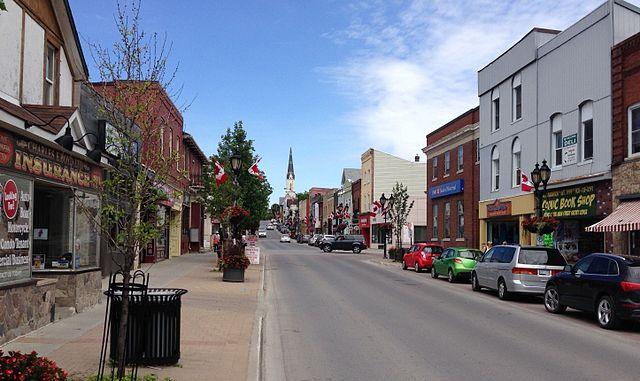
Retail in Grey County is a tale of two calendars. Summer and ski seasons can push sales on Thornbury’s Bruce Street or The Blue Mountains’ village to levels that look urban, but midweek winters tell a different story inland. Appraising retail here means tracing the tenant mix back to real spending patterns and confirming how that translates into rent.
In small plazas and on traditional main streets, rents often run on a net basis but with a simpler depiction of additional rent than in large urban centres. When reviewing leases, I watch for caps on controllable CAM, audit rights, and whether tenants bear capital replacements for HVAC or major parking lot resurfacing. In some instances, landlords bundle a snow removal fee outside of CAM because winter predictability helps shaky tenants budget cash flow.
National credit anchors are scarce. Pharmacies and grocers anchor a handful of nodes and hold their value well, occasionally with percentage rent clauses that only trigger in strong quarters. Restaurant streets in Thornbury and Meaford can command surprising rents during peak periods, but I crosscheck the sustainability of base rent against three year sales history rather than letting anecdote drive the opinion of market rent.
Vacancy behaves unevenly. A corner unit on a walkable main street can backfill in weeks during spring, while an in‑line bay in a secondary location might sit for a year if the neighboring tenants do not complement it. I typically stabilize vacancy allowances for established strip centres between 5 and 7 percent and keep Main Street mixed retail closer to 7 to 9 percent unless there is proven waitlist demand.
Buyers price retail income cautiously, rewarding well curated tenant mixes and penalizing deferred maintenance. In stronger nodes with parking, visible signage, and a balanced roster https://privatebin.net/?c645f7ea17080677#8dygr9dVhVKy6XoNhtZXTjkEctvJqomeSFyYAv6YvgVP of service, food, and soft goods, I have seen cap rates tighten into the mid 6 percent range. Secondary corridors or towns without tourist influx usually widen to 7.5 to 9 percent. Again, lease length, escalation structure, and re‑tenanting risk shift these ranges a notch either way.
Office: the quiet workhorse of essential services
If you think of office demand as tied to corporate downtowns, Grey County will surprise you. Here, the most reliable office tenants are public sector agencies, medical users, and community services. Clinical space with proper plumbing, floor loads for imaging equipment, and waiting room layouts attracts long leases backed by steady funding sources. Government services prefer accessible ground or second floor locations with solid parking ratios and security separation.
Traditional private office demand has softened post‑pandemic, reflecting hybrid work patterns. That shows up in elevated concessions at lease up rather than dramatic rent erosion, because supply is limited and good locations remain sticky. Buildout costs have climbed, so tenants often chase turnkey opportunities and accept slightly higher rents over fit‑out capital.
Valuation, therefore, hinges on lease quality and adaptability. A medical clinic on a 10 year term with renewal options and scheduled steps deserves a lower cap rate than a speculative second floor suite above retail with short rollover. Operating costs depend heavily on utilities and snow removal. Elevators in three storey walk‑ups are rare, which can limit accessible leasing but save on maintenance.
Investors assign cap rates to office in Grey County that generally sit between industrial and weaker retail. Stabilized medical or government‑anchored office might support cap rates in the high 6 to low 7 percent range. Generic office without anchor credit often stretches to 8 percent and above, unless it offers unique scarcity value in a central location.
What lenders look for in a commercial real estate appraisal in Grey County
Local lenders and credit unions make up a significant share of the loan market, though national banks underwrite larger assets and construction. Regardless of the lender, the most effective commercial appraisal services in Grey County share some common traits.
They build a coherent narrative that connects market data to subject specifics. They defend cap rates with real, recent local sales or carefully adjusted regional evidence. They name their sources. They resist overreliance on MPAC assessments for value indications, using them instead to understand tax allocations. They analyze leases line by line, confirming who pays for what, and adjust to market rent where contract terms diverge from prevailing conditions.
Lenders also watch for environmental red flags. Historical automotive uses, dry cleaners, and fill brought in for yard expansion can trigger requirements for Phase I or II ESAs. An appraiser who flags potential issues early, rather than tucked into a boilerplate assumption, saves time and surprises.
Data gaps and how we fill them
Compared to major metros, Grey County has fewer arm’s length trades and a higher proportion of private deals with undisclosed terms. To avoid guesswork, I rely on three habits.
First, I speak with local brokers and property managers regularly. They will not breach confidentiality, but they will share ranges and context that help narrow cap rates and market rents. Second, I log asking rents and achieved deals by property type and node, with adjustments for inducements. Third, I physically inspect more comparable properties than a pure desktop approach would require. It is one thing to read that a warehouse has two docks. It is another to stand in the yard and see a turning issue that will frustrate tractor trailers in February.
Case vignettes that illustrate the nuance
A 35,000 square foot manufacturing plant near Hanover looked underutilized on paper. The buyer insisted it was a bargain. Fieldwork revealed 14 foot clear heights, limited column spacing, and power service that would require a six figure upgrade for CNC expansion. The seller had quoted a rent comparable from an Owen Sound distribution building with 24 foot clear, two docks, and an easy run to Highway 10. Adjustments pulled market rent back by 15 to 20 percent. The final value reconciled lower than the buyer hoped but more defensible to a prudent lender. The deal still closed after the price adjusted.
On a Thornbury retail strip, a landlord touted sky‑high sales at a corner cafe and sought a valuation supporting a refinance. Sales were real, but the lease had a percentage rent clause that bumped payments in peak months while keeping base rent below market. The landlord thought the valuation should capitalize the high seasonal cash flow. I stabilized to a market base rent, added a modest percentage rent kicker consistent with a three year average, and affirmed a cap rate that reflected the tourism premium but not a speculative one. The bank accepted the logic because it mirrored their underwriting.
An office conversion in downtown Owen Sound had been rezoned, retrofitted for medical use, and mostly leased to a mix of dental, physio, and lab tenants. Construction cost inflation and supply lags were clear in the invoices. Replacement cost new supported a value above income, but rollover risk in year four, when two anchor tenants had coterminous options, warranted a tempered cap rate. Reconciling the three approaches, I gave dominant weight to the income method, secondary weight to cost, and used direct comparison to bracket cap rates. The borrower’s development pro forma hit its targets, but only because the lender financed against the lower of cost and value. That is common.
Owner occupied assets and the problem of contract rent
Grey County’s commercial landscape includes many owner occupied properties. For financing or corporate reporting under IFRS, a sale‑leaseback or imputed rent scenario often appears. Here, setting a defensible market rent is the entire ballgame.
I start with a clean market rent survey adjusted for quality, utility, and location, then cap the stabilized net operating income using market supported rates. If a sale‑leaseback is proposed with a 10 to 15 year term at a rent above market to maximize sale price, I test it against lender appetite and the sustainability of tenant margins. An inflated rent might look good on a single transaction, but it loads the operating company with a liability that can strain future refinancing. Many local lenders haircut above‑market sale‑leaseback rents by a percentage to align with market. That expectation belongs in a candid conversation early.
Zoning, HST, and other local wrinkles that change outcomes
Zoning in Grey County municipalities is generally straightforward, but legal non‑conforming situations crop up in older industrial corridors and main street sites. Documentation saves deals. If outdoor storage or contractor’s yard uses are critical to value, I confirm legal status with the municipality rather than rely on a prior use that everyone assumes is fine. Parking minimums for medical or government office can exceed older building capacities, and negotiated variances should be verified.
On the tax side, HST treatment can surprise new investors. Most sales of commercial real property between registrants can be HST exempt under the section 167 election if the purchaser continues to operate a commercial activity. When the buyer is not registered, HST typically applies. An appraiser does not give tax advice, but it helps to outline typical treatments and confirm what is included in transacted prices when building the comparable set.
Practical preparation that speeds a defensible valuation
A good report is a collaboration. Owners and brokers who assemble the right material early shorten timelines and reduce the guesswork that inflates risk premiums.
- Current rent roll with start and expiry dates, options, base rents, and additional rent details
- Copies of all leases, amendments, and recent estoppels if available
- Last three years of operating statements, including utilities and snow removal as separate lines
- Recent capital expenditures and remaining warranties on roofs, HVAC, or paving
- A survey, site plan, and any zoning or minor variance approvals
With those documents in hand, a commercial property appraisal in Grey County can move from engagement to inspection to draft within one to two weeks for straightforward assets. Complex properties or those needing environmental clarification take longer.
Risks, edge cases, and how judgment earns its keep
A few recurring traps deserve attention. Single tenant reliance looks comfortable until that tenant is also the major employer in town. A vacancy under those conditions stretches beyond the typical downtime modeled in a pro forma. Industrial buildings with low clear heights can rent, but expansion options are limited and future buyers will discount them in a rising‑spec market. Retail that depends entirely on weekend tourism performs until a weather disruption hits a season, so cash flow should be stress‑tested rather than valued on a single banner year.
Office conversions to residential occasionally surface in investor pitches, especially for downtown second floors. Municipal appetite, building code requirements, and parking realities make many of those proposals unworkable. Valuations should be based on the as‑is highest and best use unless approvals are in place and costs are supported.
Finally, environmental legacies linger. Former service stations converted to quick service restaurants can perform well, but lenders may insist on monitoring wells or indemnities that affect marketability, and buyers price that risk. Appraisers can recognize the condition, disclose assumptions, and seek reasonable supporting documentation, but they cannot paper over the issue.
Choosing commercial appraisal services in Grey County
Most owners and lenders find that experience in the county matters as much as credentials. An AACI or CRA designation signals training and ethics, but familiarity with the nuances of Owen Sound industrial logistics, Thornbury retail seasonality, and government office leasing patterns adds practical accuracy. When interviewing a commercial appraiser in Grey County, ask how they support cap rates, where they find comparable sales in thin markets, and how they adjust for functional utility in older stock. The best answers will be specific and local.
For recurring valuation needs such as annual IFRS fair value or portfolio lending reviews, invest in consistent scope definitions. Agree on how market rent will be set, how vacancy will be stabilized, and whether capital expenditures will be normalized over a hold period. That consistency helps you track performance without conflating market noise with asset‑level change.
Where the market sits today and what to watch
In the past two years, underwriting in Grey County adjusted to higher interest rates and construction cost inflation. Investors became more sensitive to rollover, and price discovery slowed for properties with thin tenant rosters or above‑market sale‑leaseback rents. Industrial demand remains resilient for functional space with good access, and smaller bays under 10,000 square feet continue to lease briskly to trades and light assembly. Retail strength follows tourism and proximity to grocers or pharmacies, while secondary strips work harder to maintain occupancy. Office tied to essential services is stable, with private office still recalibrating.
Watch three things over the next 12 months. First, cap rate spreads between prime nodes and peripheral towns are likely to widen slightly if borrowing costs stay elevated. Second, landlord willingness to invest in energy efficiency will start to show up in tenant retention and operating costs, particularly for industrial roofs and heating systems battling winter. Third, replacement costs will continue to anchor values for newer builds, but functional shortcomings in aging stock will become more visible as users demand productivity over pure square footage.
Grey County has always rewarded patience and punished shortcuts. A thoughtful commercial property appraisal in Grey County, grounded in local evidence and practical experience, gives owners, buyers, and lenders a clear view through the noise. For industrial, retail, and office assets alike, that clarity is often the difference between a deal that works and one that frays under pressure. If you are hiring commercial property appraisers in Grey County, expect more than formulas. Expect a conversation that connects what the building is, how it is used, and why that matters here.