Cost vs. Income Approach in Commercial Property Assessment in Norfolk County
Every owner, lender, and assessor who works in Norfolk County eventually faces the same fork in the road: should a commercial property be valued by what it costs to build, or by what it earns? The answer is rarely a crisp either or. In practice, the cost approach and the income approach pull from the same market, yet they reveal different facets of value. Knowing when each method carries more weight saves time, reduces disputes, and, in several cases I have worked on, swings six figures on assessment appeals or loan sizing.
Norfolk County is a patchwork. Brookline sees medical and boutique retail pressures shaped by Boston’s edge. Quincy and Braintree live with first ring dynamics near Route 93 and the Red Line. Norwood and Canton ride the Route 128 corridor’s industrial and flex demand, while Dedham and Westwood mix legacy office parks with newer mixed use. That variety means the valuation playbook changes town to town, even block to block.
How the local market sets the stage
Commercial property assessment in Norfolk County does not happen in a vacuum. Zoning controls from town boards, MBTA access, and construction costs that often run higher than national averages all filter into pricing. When we pitched a mixed use building in Quincy for refinance last year, the lender’s national reviewer questioned our replacement cost. He was used to Sunbelt bids. He had never paid a contractor in Greater Boston for winter conditions, ledge excavation, or sewer tie in fees.
Rents and yields tell the same story. Class B suburban office has fought for absorption since 2020, while well located industrial with 24 foot clear and dock access can move in a week if a space opens. Retail on a walkable main street with parking, like parts of Dedham Square, can surprise you with durable, almost stubborn rent levels, particularly if the tenant mix is service heavy. Medical office around hospitals or strong physician groups holds up well even as traditional office softens.
These local realities color both the cost and income approaches. What looks logical in a textbook gets messier on Route 1A.

The cost approach, in plain language
The cost approach starts with one blunt question: what would it cost to build the property’s improvements, today, for similar utility, then deduct all forms of depreciation, and add land value? Appraisers typically estimate replacement cost new rather than reproduction cost new. Replacement cost assumes you would rebuild to the same function, not necessarily with the same materials, trim, or inefficiencies.
Three types of depreciation drive the outcome:
-
Physical depreciation, which covers wear and tear. A 1978 roof tells a different story than a 2018 TPO install.
-
Functional obsolescence, which shows up when the design or systems no longer fit market expectations. An office building with deep floor plates and low window lines can suffer here.
-
External or economic obsolescence, which catches market factors such as weak demand or location drawbacks that the owner cannot fix.
Land value is pulled separately, often from sales of comparable sites adjusted for zoning, utility access, traffic, and site work requirements. In Norfolk County, site work can be a heavyweight line item. Ledge is common, wetlands restrictions are real in towns like Weymouth, and traffic mitigation or curb cut limitations near state roads adds time and money.
Cost data comes from a mix of sources. For commercial building appraisal in Norfolk County, I lean on current contractor bids when they are available, Marshall & Swift cost services for baselines, and interviews with developers who recently finished nearby projects. That last source saves you from underestimating soft costs, which often run 20 to 35 percent of hard costs in this market once you add design, permitting, insurance, and financing. Entrepreneurial profit, the developer’s required incentive to build, also belongs in the model, commonly pegged in the 8 to 15 percent range on total cost depending on risk.
When the cost approach shines: newer construction with few dents or wrinkles, special purpose properties lacking reliable rent comparables, and assets where the land component is a major share of value. I handled a single tenant medical building near Norwood Hospital a few years back. The lease was atypical, above market to account for tenant buildout and equipment, so the income approach overstated long term value. The cost approach, after careful functional adjustments for redundant imaging suites, gave a more defensible number for a tax appeal.
Its weak point is external obsolescence. If market rents cannot support the cost to build, you need to capture that shortfall as an external hit. That is easy to say, hard to quantify. It requires a clean income model to measure stabilized net operating income, then compare the income derived value for the improvements to their undepreciated cost. The gap, if any, is external obsolescence. In soft office submarkets in Dedham or Quincy, this gap can be significant.
The income approach, where cash flow sets the rules
The income approach values property as a financial instrument. Estimate potential gross income, subtract vacancy and credit loss, model operating expenses to arrive at net operating income, then convert that income to value. For stabilized properties, direct capitalization is typical: Value equals NOI divided by a capitalization rate. For assets with the need for lease up, major rollover, or capital programs, a discounted cash flow better captures timing and risk.
Three inputs deserve the most care:
-
Market rent. Contract rent can be above or below market. In assessment assignments, I often reset to market rent, not the exact lease rate, to estimate fee simple interest value. In lender assignments, I consider the leased fee, so the contract terms matter more.
-
Expense structure. Norfolk County leases vary widely. Triple net industrial leases are common. Suburban office more often runs on a modified gross basis with expense stops or base years. If you do not normalize to a consistent basis, cap rates from the market will not fit.
-
Cap rate and yield assumptions. Cap rates for suburban Boston have ranged widely in recent years. A stabilized industrial building with credit tenancy might trade in the mid 5s to low 6s when debt is friendly. Tired suburban office can push into the 8s or 9s or simply not transact. Retail centers with grocery or strong daily needs sit in between, often 6 to 7.5 depending on lease terms and anchor health. The range matters more than a false sense of precision.
Where the income approach shines: income producing properties with a reasonably predictable stream of rent. A 60,000 square foot flex building in Canton, for example, with shallow bay depths, 18 foot clear, a mix of office and warehouse, and five tenants on staggered terms, lends itself to a line by line rent roll analysis. You can pull fresh comps from brokers, cross check with CoStar or public filings, and test market derived expenses. The math may be tedious, but the logic is clear.

Its weak points show up with short term aberrations. A property in lease up may look weak under direct capitalization even though a near term leasing plan is credible and funded. On the other hand, a building with one over market lease and rollover https://blogfreely.net/rohereldji/cost-vs-njcs next year can look deceptively strong if you do not adjust back to market. Straight line thinking is the enemy here.
Cost or income first, and why Norfolk County sometimes flips the script
Textbooks say income for income properties, cost for special uses. The field adds nuance. Here are quick guideposts I use in commercial property assessment in Norfolk County, based on a mix of data availability, asset type, and how the county’s submarkets behave.
-
Choose the income approach as your primary when the property is leased in line with market and the tenant mix resembles what buyers typically see, such as multi tenant industrial in Norwood or retail strips in Braintree.
-
Give the cost approach more weight for newer single tenant buildings with atypical lease terms, or special purpose improvements such as car washes, religious facilities, or highly customized labs, where rent evidence is thin or distorted.
-
Use the cost approach to cross check land and building allocation when land value is a large share of total, which occurs more often in Brookline and parts of Quincy where sites are tight and zoning caps FAR.
-
Lean on discounted cash flow when meaningful rollover, capital needs, or re-tenanting risk is imminent, such as a suburban office in Dedham with two anchors coming due within 24 months.
-
Reconcile both with a conscious eye on external obsolescence. If the income approach yields a value below depreciated cost, ask if the cause is temporary or persistent. Then assign weight accordingly.
These rules bend with evidence. If you can assemble a strong set of rent comps and a sensible expense model, the income approach usually wins for long term holders and lenders. But when market rent does not justify new construction, the cost approach still tells a critical truth: replacement economics are upside down, which tempers future supply.
Land, zoning, and the quiet work that moves numbers
Several assignments I have handled turned more on land value than on bricks and steel. Commercial land appraisers in Norfolk County watch a narrow market, but one with sharp edges. A one acre site in Westwood with Route 1 visibility and utilities can sell at a multiple of a similarly sized site in a dead end industrial pocket with traffic constraints. Brookline’s overlays, parking minimums, and height limits pull the other direction, sometimes pressing developers to secure variances or accept a lower FAR that devalues the residual land.
Valuing land relies primarily on sales comparison, supported by extraction or allocation when improved sales can be reliably deconstructed. Ground leases offer another window, translating rent and reversion structures into implied land value through a yield rate. In Weymouth and Quincy, wetlands and floodplain constraints carve away usable area, which, if not properly accounted for, leads to inflated per square foot conclusions. Site work allowances are not abstract here. If you have not priced ledge removal in Norfolk County, your land residual may look better on paper than in practice.
When cost work rests on questionable land numbers, the whole analysis tilts. That is one reason many commercial appraisal companies in Norfolk County maintain land specialists or tight partnerships with surveyors and civil engineers. One call to a civil who just shepherded a site plan through Braintree can surface a traffic study obligation that never made it into the broker’s flyer, but absolutely belongs in your feasibility math.
Cap rates and discount rates with Norfolk County color
Buyers price risk. In recent years, the spread between core credit leased assets and properties with story risk has become a canyon. In Greater Boston suburbs:
-
Well located industrial with stable tenants and five to seven years of weighted average lease term has often transacted between roughly 5.5 and 6.75 percent caps, adjusting for building age, clear height, dock ratios, and tenant credit.
-
Daily needs retail, especially with grocery or pharmacy anchors and true triple net structures, has lived in the 6 to 7.5 percent range, with outparcels tighter when national credits sign long leases.
-
Medical office near hospital nodes often compresses near 6 to 7 if tenancy is diversified and reimbursement risk is understood. Single tenant medical on a hospital campus can cut tighter, but lender scrutiny on physician group credit has increased.
-
Suburban office has diverged. Well amenitized buildings with strong parking, efficient floor plates, and modest capital needs might sit between 7 and 8.5. Commodity stock fighting sublease competition and deferred maintenance can drift to 9 or not sell at a number that prints.
Discount rates for cash flows often add 100 to 300 basis points above the terminal cap to reflect re-tenanting and rollover risk, with industrial on the low side and office on the high. The point is not to force exact figures. It is to anchor the analysis in what real buyers and lenders in Norfolk County are underwriting right now.
Construction costs that refuse to be generic
Replacement cost for commercial buildings around Norfolk County continues to surprise out of town reviewers. General bands, based on recent bids and cost services adjusted for Boston area factors:
-
Warehouse and shallow bay flex, basic shell with limited office, 120 to 250 dollars per square foot hard cost, depending on clear height, dock count, slab spec, and site work. Add 20 to 35 percent for soft costs and developer profit.
-
Suburban office, mid tier finishes, 300 to 450 dollars per square foot for midrise steel or concrete, higher if structured parking or high performance MEP systems are involved. Tenant improvements can add 40 to 80 dollars per square foot for typical office, much more for medical.
-
Retail inline with vanilla shells, 200 to 350 dollars per square foot, with restaurant buildouts outpacing that quickly due to grease interceptors, exhaust, and kitchen equipment.
-
Medical and lab buildouts live in their own orbit. A small outpatient clinic can hit 300 to 500 dollars per square foot in tenant improvements alone, even before counting base building work.
Site work can tilt totals by six figures on small projects, seven on larger. Ledge, stormwater systems under updated codes, and off site improvements often make the difference between a project that pencils and one that pauses.
A side by side example from a Norfolk County warehouse
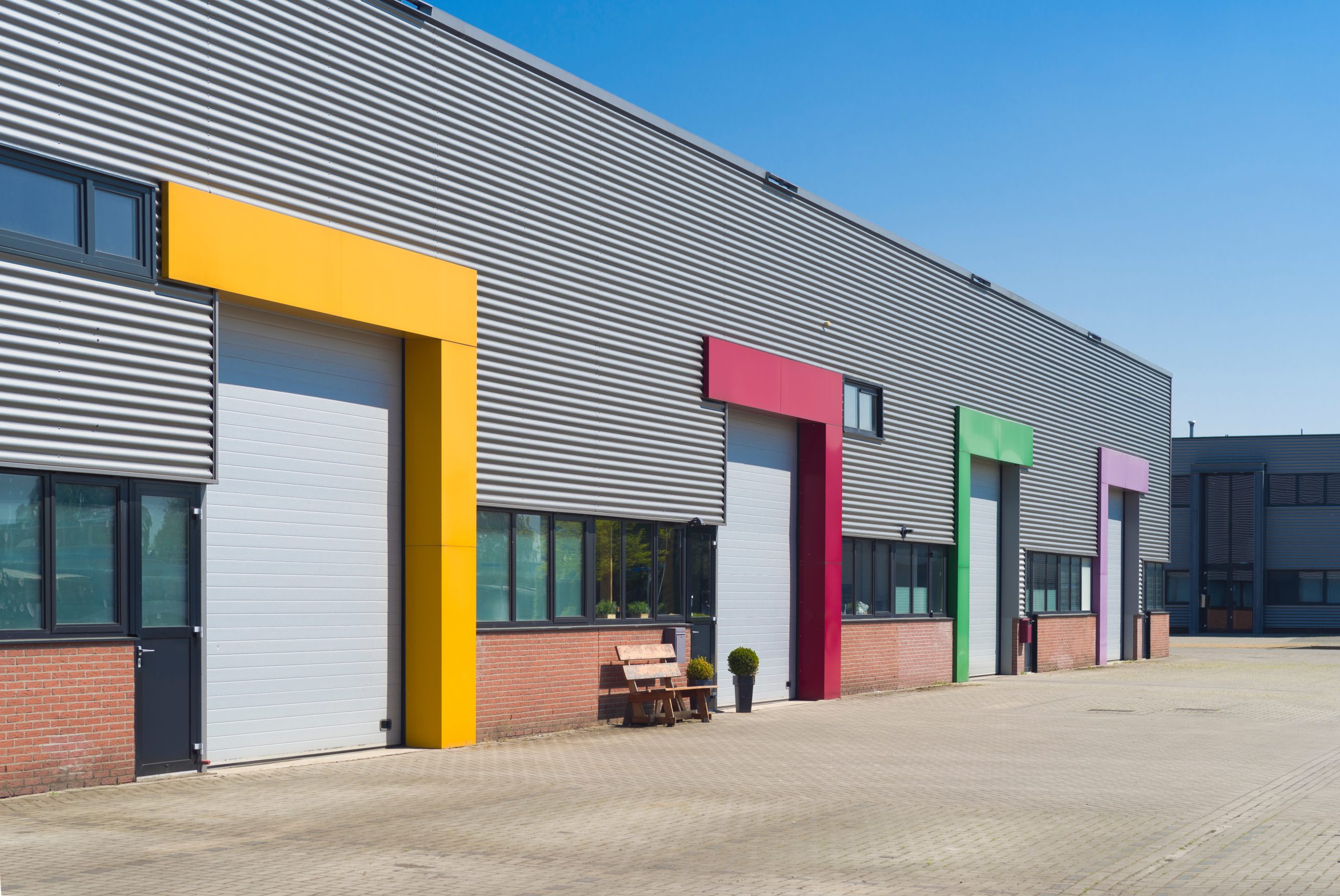
Consider a 50,000 square foot distribution building in Braintree, built in 1985, 22 foot clear, five docks, one drive in, metal panel over steel frame, fair office buildout. The building is 90 percent leased to three tenants, with staggered expirations over the next four years. The roof is ten years old. Parking is adequate and the site is tight but functional.
Income approach: Market rent for comparable product in that pocket, as of recent quarters, supports roughly 10 to 13 dollars per square foot triple net. Let us set market stabilized rent at 12 dollars. Assume 5 percent vacancy and credit loss. Operating expenses on a triple net basis include management leakage and structural reserves, say 0.50 per square foot, recognizing that true NNN often still burdens the owner with some non recoverables. That yields an NOI of roughly 12 dollars less 0.60 equals 11.40 per square foot on 50,000 square feet, or 570,000 dollars. Apply a 6.75 to 7.25 percent cap depending on lease term and tenant credit. At 7 percent, indicated value is about 8.14 million. If rollover risk is high in year two, a buyer may shade to 7.5 percent, dropping value to about 7.6 million. This is the market talking.
Cost approach: Replacement cost new for a functional equivalent, not a trophy, might be 180 to 220 dollars per square foot hard cost given today’s materials and labor. Pick 200 dollars for the shell. Add soft costs and entrepreneurial profit at 25 percent combined on hard costs. That is 250 dollars per square foot all in. For 50,000 square feet, 12.5 million for improvements. The land, given industrial land scarcity near Route 3 and 93, could sit at 20 to 30 dollars per square foot of land area. If the site is 3.5 acres, land might bracket 3 to 4.5 million, but we need higher resolution comps. Even if we take a conservative land number, the new build total would exceed 15 million. Now account for depreciation. Physical depreciation for a 1985 shell may be significant. If we assign 40 to 50 percent for age and wear, functional obsolescence for lower clear height in a world that wants 28 feet, and any external obsolescence from market rent that cannot sustain new build costs, we might land the depreciated improvement value around 5.5 to 7 million. Add land, say 2.5 million, and we reach a range like 8 to 9.5 million. With tighter land comps and a careful external obsolescence calc pegged to the income shortfall, this could reconcile near the income indication in the low to mid 8s.
The lesson is simple. The cost approach, when fully depreciated and trued up for market rent realities, will often converge with the income approach for plain vanilla industrial. Where it will not converge, your reconciliation should make that divergence explicit, not bury it.
Frequent pitfalls that distort value
-
Mixing lease bases. Applying cap rates derived from triple net sales to income statements that include landlord paid expenses inflates value.
-
Ignoring tenant improvement and leasing commissions. Market rent without TI or LC is fiction. The present value of those costs either comes out in the cap rate or needs an explicit reserve.
-
Double counting obsolescence. Deducting external obsolescence because rents are low, then also using a high cap rate because rents are low, punishes value twice.
-
Assuming assessed values reflect market. Town assessments in Norfolk County aim for mass appraisal fairness, not asset level precision. They are a benchmark, not a proof.
-
Underestimating time. Permit timelines, utility upgrades, or tenant approvals often run longer here than pro formas assume. That lag affects both replacement cost feasibility and lease up models.
What good commercial appraisers in Norfolk County actually do differently
Experience shows in the small things. Commercial building appraisers in Norfolk County who do consistent, high quality work keep a running file of lease abstracts by submarket, they pick up the phone to ask a contractor whether last year’s steel price spike eased in their current bids, and they visit properties at busy and quiet times to see true parking demand. They build local expense models that account for snow removal costs along Route 1 versus a tucked away office park, or for trash hauling rates that differ by hauler monopolies in certain towns.
When selecting among commercial appraisal companies in Norfolk County, look for Certified General appraisers with recent assignments in your asset type and town. Ask for the last three buildings they valued within five miles. Ask how they estimate external obsolescence in office, or how they separate land and improvements in Brookline where teardown rumors always swirl. Specific, grounded answers beat a slick pipeline pitch every time.
Commercial land appraisers in Norfolk County deserve their own nod. If your value rests on a residual land number, make sure the appraiser can testify to zoning overlays and wetland buffers without a cheat sheet. A fifteen minute site walk with a civil engineer can change your view of a parcel’s buildable area and cost to serve.
Preparing for an assessment or appraisal without wasting cycles
Owners often ask what to pull together before we start. I ask for a current rent roll with lease abstracts that flag expirations, renewal options, and reimbursement structures, trailing three years of operating statements with clear categorization, a capital improvements log with dates and costs, and copies of any outstanding proposals for major work such as roofs or HVAC replacements. If the property recently listed space, marketing flyers and broker feedback help triangulate market rent. For land heavy sites, a survey and any recent environmental or geotech reports are worth their weight.
For commercial property assessment in Norfolk County, timing matters. Several towns run revaluation cycles that can create step changes in assessed value. If you see a significant deviation from market, assemble your file early. Appeals that rely on both the income approach and a well supported cost approach to measure external obsolescence tend to land better in front of boards that listen. Bland, one page opinions do not carry the day.
Reconciling approaches with judgment, not formulas
After you run the numbers, you still have to decide which picture of value is clearer. In a stable, fully leased retail strip on Granite Street in Braintree with clean reimbursements and average tenant improvements, the income approach does the heavy lifting. In a brand new owner occupied medical clinic near the border with Boston, the cost approach may anchor value, with a light cross check to market rent that recognizes the tenant occupies by choice, not by a market lease.
In mixed cases, you may weight both. I often state the reasons for weighting explicitly: ten percent weight to cost for an older industrial building purely to bracket land and give a sanity check, ninety percent to income where lease evidence is strong; fifty fifty for a school or special use building with partial third party rent; heavier cost weight for a custom facility whose income depends on a single, non transferable tenant use.
There is nothing exotic about that reconciliation. It is simply an honest acknowledgment that each approach has blind spots, and that Norfolk County’s wrinkles, from ledge to lease terms, tend to widen those spots if you do not address them head on.
The bottom line for Norfolk County owners and lenders
If you own, finance, or dispute values in the county, your best asset is an appraisal that reads the local market without shortcuts. That means:
-
Knowing when the cost approach reveals that today’s replacement economics are upside down, which in turn limits new supply and props up older stock.
-
Using the income approach with tenant level discipline, not averages that wash out real risk.
-
Valuing land with eyes open to constraints that do not show in listing photos, and confirming site work realities that change budgets more than the latest lumber index.
-
Reconciling the two in a way that a buyer, seller, or assessor would recognize as fair if they walked the property themselves.
Commercial building appraisal in Norfolk County rewards that kind of grounded work. So does the broader ecosystem of commercial building appraisers in Norfolk County, whose reputations live or die on credibility with lenders, boards, and the courts. When you hire, look for that credibility. When you prepare, arm your appraiser with detailed, current information. You will spend less time arguing about methods, and more time zeroing in on the number that the market, quite sensibly, already knows.