Environmental Considerations in Commercial Property Appraisal for Waterloo Region
Environmental risk sits closer to value than many owners and lenders expect. In Waterloo Region, market demand for industrial condos in Breslau, mixed use redevelopment along King Street, and logistics facilities near Highway 401 has been strong over the past decade. Values can move fast. Yet even a whisper of environmental concern, whether a historical dry cleaner in the chain of title or a site within a Grand River flood fringe, can widen cap rates, limit lender appetite, and derail a deal. A sound commercial property appraisal in Waterloo Region must handle environmental factors with the same care as rent rolls and land use permissions.
I have seen a cap rate jump 75 basis points on a small industrial building in Kitchener after a Phase II ESA confirmed a shallow plume of petroleum hydrocarbons from a decade old UST. The buyer still proceeded, but only after negotiating a $320,000 holdback, an environmental indemnity, and an assignment of contractor quotes. The numbers were not theoretical. They changed closing mechanics, debt structure, and ultimately the appraised market value. This is where an experienced commercial appraiser in Waterloo Region earns trust, by understanding which environmental issues are material, which are manageable, and how to translate risk into defensible adjustments.
The regulatory backdrop that shapes value
Appraisers do not act as environmental consultants, but we must understand the framework that governs risk. Ontario’s Environmental Protection Act and related regulations set the tone. Several instruments appear regularly in valuation files.
Records of Site Condition and O. Reg. 153/04. A Record of Site Condition, commonly called an RSC, documents that a property meets appropriate soil and groundwater standards for a specified use. The regulation prescribes Phase I and Phase II Environmental Site Assessments, conducted to CSA standards, and filed with the Ministry of the Environment, Conservation and Parks. In Waterloo Region, RSCs matter for brownfield redevelopments in Kitchener and Cambridge’s older industrial pockets, and they also matter when a property changes from industrial to more sensitive use, such as residential or institutional. An RSC can unlock building permits. It can also anchor a valuation assumption, provided the filing is current and covers the planned use.
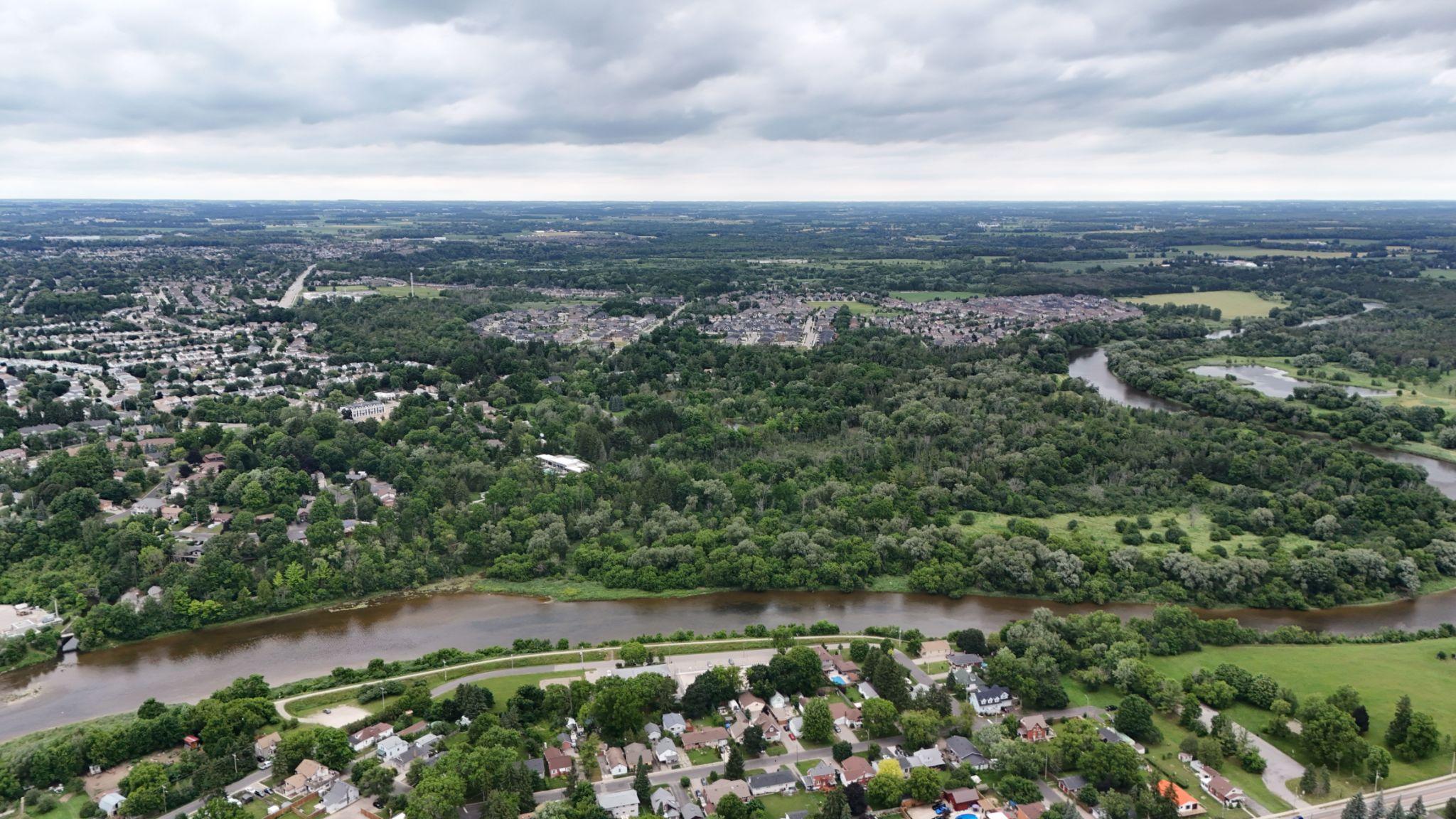
Conservation authority regulated areas. The Grand River Conservation Authority regulates development in floodplains, river valleys, wetlands, and other hazard lands under Ontario Regulation 150/06. Sections of Cambridge near the Speed and Grand Rivers, and parts of Conestogo adjacent to the river, sit within regulated areas. If a site falls inside a flood fringe, building envelopes narrow, floor elevations rise, and premiums for flood resilient design creep in. Insurance availability and deductibles also change. Lenders notice, and so do tenants that need uninterrupted operations.
Source protection and wellhead zones. Under the Clean Water Act, municipal source water protection plans restrict certain land uses and activities near municipal wells. Waterloo Region relies heavily on groundwater. Several industrial clusters around Breslau, Elmira, and parts of North Dumfries intersect wellhead protection areas, with risk scoring that can restrict activities like fuel handling or large chemical storage. Even if a current use is allowed, limitations on future intensification can cap the highest and best use, which flows directly into valuation.
Excess soils and O. Reg. 406/19. Redevelopment anywhere from a former factory in Preston to a logistics yard in Ayr will generate soil to move. The excess soils regulation places testing, tracking, and re-use obligations on owners and contractors. When soils carry contaminants above certain thresholds, hauling and tipping costs escalate. Appraisers should not model every cost line, but we must understand that contaminated soil disposal can add six to seven figures on medium sized sites. Where redevelopment potential drives value, these costs are not noise.
Municipal stormwater utility fees. Kitchener and Waterloo charge non-residential properties based on hard surface area, with credits available for on-site controls. Cambridge has similar fees, though program details shift over time. For properties with high impervious cover, fees are material. If a warehouse uses a gross or modified gross lease, the owner may not pass through the full cost. In those cases, green infrastructure like bioswales or undersized rooftops that keep runoff below thresholds can add to net operating income in quiet, durable ways.
What lenders expect in Waterloo Region
Most commercial lenders active in the Region - Schedule I banks, credit unions, and several national non-bank lenders - impose predictable environmental due diligence. A Phase I Environmental Site Assessment to CSA Z768 is table stakes for industrial and many retail properties, often for office and multi-family if proximity to risk is suspected. If the Phase I flags issues with moderate to high likelihood of impact, lenders will require a Phase II. A typical Phase I costs in the range of $2,500 to $6,000 and turns in two to three weeks. Phase II scopes vary widely, from a $25,000 limited investigation with soil borings to six figure groundwater programs that run for months. Appraisers should not quote prices, but we should understand the order of magnitude.
Lenders also focus on vapor intrusion in urban infill sites, where historical solvents were common. Dry cleaning solvents like PCE and industrial degreasers like TCE can migrate as vapours into buildings. Even if soils test below standards, indoor air can be a problem. In practice, lenders will ask for sub-slab vapour sampling or a letter of opinion from the environmental consultant. If a mitigation system is needed, costs often range from $15 to $35 per square foot, depending on building complexity. I have seen buyers secure a $200,000 credit to install a sub-slab depressurization system in a 20,000 square foot flex building in Waterloo, then execute within three months post close.
Finally, lenders increasingly price PFAS risk. Fire training sites, metal plating, and some manufacturing lines used PFAS containing foams or coatings. Testing options are improving but not universal. Where PFAS is suspected, some lenders impose conservative loan to value ratios, or they require environmental insurance. Premiums for pollution legal liability coverage are not trivial, yet they can stabilize a deal and, by extension, the appraised value within lender constraints.
How environmental issues influence the valuation approaches
Comparable sales. In the direct comparison approach, contaminated properties are almost never apples to apples. A sale with a known plume, even if under control, can trade at a noticeable discount or with special terms. For example, a remediated industrial property with a filed RSC and engineering controls, such as a cap or vapour barrier, might only show a 5 to 10 percent discount relative to clean peers. A similar property mid remediation, with uncertain timelines and open ministry files, can carry steeper discounts or creative financing. The appraiser’s job is to dissect terms: Was there a vendor take back? A holdback pegged to remediation milestones? Environmental indemnities with survival periods? These details convert into quantifiable adjustments more reliably than a blanket percentage.
Income approach. Environmental factors can dampen achievable rents or extend vacancy. Tenants with food processing, childcare, or medical uses may avoid properties with historical impacts, even if risks are controlled. Conversely, industrial tenants with lower sensitivity may pay market rates if building functionality is excellent. Insurance costs, stormwater charges, and energy performance all flow into net operating income. In Waterloo and Kitchener, stormwater fee credits for retrofits can lift NOI by several thousand dollars per year on large parking lots. Energy performance influences operating expense recoveries and tenant retention. Ontario’s Energy and Water Reporting and Benchmarking regulation requires annual reporting for larger buildings, and while it is a compliance item, it also primes owners to manage energy intensity, which matters under gross leases. Appraisers should capture these elements transparently in pro formas.
Cost approach. Environmental conditions can alter replacement cost and functional utility. If a site sits within a flood fringe, foundation design and material choices can shift. Where soils demand special handling, unit costs of excavation and disposal climb. For buildings with legacy materials, such as asbestos containing insulation or lead based paint, demolition costs rise, which affects depreciated replacement cost and land value under a hypothetical redevelopment scenario. Although the cost approach is often secondary for income properties, in special use assets or partial acquisitions, it can carry weight.

Brownfields, incentives, and real market behavior
Municipalities in the Region have used Community Improvement Plans to attract investment in brownfield sites. Kitchener, Waterloo, and Cambridge have run programs that offer tax increment equivalent grants and study grants for environmental work. The size and eligibility vary by year and location, but the mechanism is consistent: the municipality rebates a portion of the increased property taxes over a set period after redevelopment. I worked on a mid rise residential conversion of a former industrial building in Kitchener, where the brownfield TIEG covered roughly 40 percent of eligible remediation and risk management costs over ten years. From a valuation standpoint, incentives that are contractually committed and predictable can be modeled as an addition to effective gross income. If incentives are competitive, contingent on milestones, or tied to council discretion, they demand more caution.
Anecdotally, brownfields that secure an RSC and deliver a modern building can lease and sell at market rates. The market often penalizes uncertainty rather than the scarlet letter of historical contamination. This is why the timing and credibility of environmental steps matter to value.
Typical environmental red flags in Waterloo Region
When I see certain site histories and locations, my sense of material risk heightens. A few examples come up repeatedly in commercial property appraisal in Waterloo Region.
- Former service stations or auto repair shops at corner lots along King Street or Hespeler Road, often with underground storage tanks that were removed decades ago with limited records.
- Dry cleaners in small plazas, particularly older operations that used PCE, where adjacent units converted to food or daycare.
- Properties adjacent to rail lines, with historical fill, cinders, and PAHs, or next to former foundries and plating shops with chromium or solvents in the chain of title.
- Legacy snow dump or contractor yards where chlorides accumulate, affecting shallow groundwater and landscaping viability.
- Sites near floodplains regulated by the GRCA, where elevations and access during storm events can interrupt operations.
Each of these can be manageable, but the appraisal must align assumptions with the environmental file and lender expectations. The worst errors I see are casual references to a clean Phase I without reading the fine print on data gaps or reliance limitations.
Building materials and operations that quietly affect value
Contamination in soils gets attention, yet building level environmental risks also matter to cash flow and exit pricing. Asbestos containing materials are common in pre 1990 buildings across the Region. They are not illegal if managed properly. The cost shows up in capital plans when replacing roofing, mechanical insulation, or floor tiles, and in demolition budgets. An owner who knows their Designated Substance Survey and integrates abatement line items realistically will get fewer surprises on valuation.
Mould tends to follow roof leaks or poorly insulated wall assemblies. Tenants evaluate indoor air quality closely, especially post 2020. While mould remediation is usually a small ticket compared to brownfield cleanup, it can close or delay leases in tight markets. Appraisers should reconcile capital allowances with lease covenants on base building condition.
Noise and odour are environmental in the broader sense. Properties near aggregate pits or along busy rail corridors may face noise complaints that restrict operating hours or limit outdoor storage. Food manufacturers can generate odours that attract municipal attention. Air and noise EASR registrations or Environmental Compliance Approvals create constraints that, if breached, carry costs and reputational risk. These are not hypothetical, and a few enforcement actions can make local headlines, influencing tenant perceptions for months.
Flood risk and insurance reality
Clients sometimes ask if a rare flood event should change a cap rate. Insurance markets answer that question. Premiums and deductibles for properties in flood fringe areas have generally climbed, and certain underwriters exclude overland flood for specific postal codes near the Grand, Speed, Nith, and Conestogo rivers. Tenants in logistics and light manufacturing care deeply about downtime risk. A day of lost loading dock access during a spring melt is not only a line item, it is a client relationship risk for the tenant. Properties with elevated docks, multiple access points, and thought through site grading signal resilience. The appraisal can and should recognize these qualitative differences within a small geography.
Soil, groundwater, and the math of remediation
It is tempting to reduce remediation cost to a single number per square foot. In practice, three variables set the range: depth and extent of impacts, whether groundwater is affected, and access constraints for excavation. Shallow soil with petroleum hydrocarbons managed by excavation and off site disposal can https://daltonsybp874.cavandoragh.org/how-to-read-a-commercial-appraisal-report-in-the-waterloo-region land in the $60 to $250 per cubic metre range, plus consultant oversight and backfill. Add groundwater with dissolved phase impacts, and the time horizon extends from weeks to years. Appraisers do not lead the remediation design, but we can translate a consultant’s conceptual cost estimate into a probabilistic view of value. For instance, if a Phase II shows a limited benzene hotspot near a former pump island, and the consultant’s P50 estimate is $180,000 with a P90 of $260,000, a buyer and lender will often use the higher figure for holdbacks. The appraisal should mirror deal practice and assign weights that reflect market behavior, not only the midpoint.
Escrows and indemnities are common tools. In Waterloo, I have seen 125 percent of the consultant’s P90 estimate used as a holdback, released on milestones: completion of excavation, receipt of confirmatory samples, and consultant sign off. If a vendor offers an environmental indemnity, pay attention to survival period, caps, and whether the vendor has the balance sheet to stand behind it. These instruments directly influence price, financing, and therefore the appraised value.
Sustainability features that move the needle
For years, owners asked whether LEED plaques deliver higher rents. The more precise answer is that credible energy and water performance, along with comfort and resilience, support stronger tenant retention and lower operating costs, which support value. BOMA BEST, LEED O+M, and the Canada Green Building Council’s Zero Carbon standards all appear in marketing materials. The best signals are utility intensity metrics backed by data. In a Waterloo office building undergoing repositioning, a lighting retrofit and upgraded controls trimmed electricity use by roughly 20 percent. Under a gross lease, the owner captured that savings. Under a net lease, the tenant stayed and paid a slightly higher base rent at renewal after seeing comfort and reliability improve. Appraisers should watch the lease structure and how savings accrue.
Green roofs, permeable paving, and cisterns in Kitchener and Waterloo can reduce stormwater fees materially. The credit programs tend to offer partial reductions, often up to a defined ceiling, provided owners maintain systems and submit inspections. If a report is on file and the credit appears in the last billing cycle, the income approach can include it with confidence. If an owner plans a retrofit but has not applied, treat the future benefit with caution or model it in an as stabilized scenario with appropriate risk.
Rooftop solar on industrial and retail buildings is now a routine question. Leased arrays generate income or reduce electricity costs. In Ontario’s post feed-in-tariff landscape, most arrays operate under net metering or behind the meter PPAs. The value impact turns on contract terms, roof age and loading, and any restrictions on future re-roofing. Poorly structured rooftop agreements can complicate financing or impair roof replacement schedules. Well structured ones add a small, bond-like income stream that buyers accept readily.
Integrating environmental into highest and best use
A site’s environmental condition can alter its feasible uses. A former industrial parcel in Cambridge with measurable groundwater impacts may still serve as an outdoor storage yard with modest capital. Converting to multi-family may require years of investigation and risk management, plus deep pockets to navigate an RSC for a more sensitive use. In that scenario, the industrial storage path is likely the current highest and best use, even if the long term hope is residential. The appraisal must tie use conclusions to environmental feasibility, not only zoning aspirations.
In rural townships like Wilmot or Woolwich, where properties rely on private wells and septic systems, nitrate sensitivity and septic replacement constraints set bounds. A trucking yard with frequent washdowns may not be compatible with a nearby wellhead protection area. These practical limitations affect the intensity of use and, by extension, rent potential and land value.
A practical workflow for appraisers
Clients value speed, but environmental diligence punishes shortcuts. Over time, I have settled on a few steps that produce more reliable commercial appraisal services in Waterloo Region without bogging down the timeline.
- Read the Phase I ESA, not just the executive summary, and note data gaps or unaccessed areas. Cross check aerials and fire insurance maps for off site risks upgradient of the subject.
- Confirm whether a Phase II ESA was recommended and, if so, whether it was completed. If not available, state an extraordinary assumption consistent with CUSPAP and the lender’s mandate.
- Map the parcel against GRCA regulated layers and municipal floodplain maps. If inside a regulated area, identify required permits and any constraints on expansion.
- Ask for stormwater utility bills and any credit documentation. Reconcile who pays under the lease structure and model the income accordingly.
- If remedial work is underway, request the consultant’s cost estimate with confidence ranges and milestone schedule, then reflect typical holdback mechanics in the valuation.
These steps are simple, but they consistently surface issues early, while there is still room to shape scope and expectations.
Communicating uncertainty without undermining the deal
Appraisals often sit in a negotiation between optimism and caution. Sellers want recognition of potential. Lenders want guardrails. Buyers want clarity on downside. The strongest appraisals explain how environmental conditions affect value pathways without resorting to vague caveats. Use CUSPAP’s Extraordinary Assumptions and Hypothetical Conditions precisely. If you are assuming the property is free from contamination because no ESA is available, say so plainly and describe how value could change if the assumption proves false. If you are valuing an as stabilized scenario after planned mitigation, outline the cost, timing, and remaining risk. Where possible, anchor ranges to third party estimates or widely accepted cost data, not just opinion.
On one industrial condo in Waterloo Region’s north end, we issued two values: as is, reflecting a known need for limited soil excavation at the rear loading area, and as stabilized, after remediation and an anticipated stormwater fee credit from added permeable pavers. The difference was about $14 per square foot. The lender used the as is value for advance rate, while the buyer used the as stabilized figure to justify capex. Everyone spoke from one set of numbers, and the deal closed on schedule.
Local nuances that seasoned practitioners watch
Waterloo’s tech corridor grabs headlines, but the local ground truth matters more to environmental risk.
Elmira’s history of groundwater contamination sits in the background for many investors, even though extensive remediation has run for decades and land use has adapted. When appraising in or near Elmira, I acknowledge the context and read current consultant reports before making any market stigma claim. Vague stigma talk does not survive scrutiny.
The speed of industrial condo absorption along Trussler and Maple Grove means some developers push timelines hard. Compressed schedules can overlap with environmental tasks that need seasons or regulatory review. If a buyer expects a condo conversion RSC in six weeks, I flag the mismatch. Values assume feasible timing.
Rail adjacency remains an under appreciated driver. Properties hugging CN or CP lines often carry historical fill. I ask for geotechnical reports alongside environmental documents, because settlement issues can emerge during additions, with cost implications that sit between geotech and environmental budgets.
When environmental risk is an opportunity
Not all environmental flags are red. In balanced markets, buyers who can manage uncertainty earn returns. An old factory on a regulated flood fringe in Cambridge might be perfect for self storage with elevated floor plates and careful floodproofing. A former gas station on a corner in Kitchener with a partial RSC could support a drive thru retail pad if the residual impacts are capped under asphalt and the risk is managed. Appraisers should not promote projects, but we can recognize when the highest and best use is achievable with defined environmental steps, and we can reflect that with conditional as stabilized values that help capital organize around the opportunity.
Choosing the right experts and aligning scopes
A commercial appraiser in Waterloo Region should know which environmental firms understand local geology and regulators. The Region’s glacial tills and outwash sands behave differently across Kitchener’s south end versus north Waterloo. A consultant who knows where shallow bedrock sits will design better Phase II programs. For large sites, ask whether groundwater flow direction is confirmed or assumed. That single choice can save months.
Align reporting timelines early. Appraisals that hinge on environmental milestones should not finalize on assumptions that will be obsolete in a week. If a Phase II draft is due Friday, hold your signature until you read it. Clients prefer a 48 hour delay over an outdated report that rattles a lender committee.
The role of experience in judgment calls
Not every environmental disclosure warrants a value discount. A 1970s retail plaza that once housed a dry cleaner, with a clean RSC for commercial use filed five years ago, no vapour issues, and stable tenancies, will trade at or near market. On the other hand, a 1990s flex building two doors down from a plating shop with an open ministry file, without any site specific investigation, will face a thinner buyer pool. The difference is not the label, it is the current evidence and market perception. Experience helps you know which questions to ask, how to weigh incomplete information, and when to insist on a pause.
Environmental considerations, when handled with rigor, do not paralyze valuation. They make it more accurate. In a region where the Grand River system shapes land, where old industries left a patchwork of legacies, and where new uses press into old footprints, environmental literacy is not optional. Owners, lenders, and investors rely on commercial appraisal services in Waterloo Region that see around corners, translate technical notes into dollars, and keep transactions honest.
If you are organizing a valuation for a property with potential environmental complexity, involve the appraiser early. Share the Phase I and any subsequent reports. Confirm whether brownfield incentives apply in Kitchener, Waterloo, or Cambridge. Provide stormwater bills and energy use if available. The lift in clarity is disproportionate to the effort. Over time, that habit gives you better loan terms, cleaner closings, and more resilient values across your portfolio.
The market for commercial real estate appraisal in Waterloo Region has matured. Expectations are higher, timelines are faster, and environmental diligence is deeper. A good commercial appraiser in Waterloo Region does not treat environmental matters as a footnote. We treat them as a core part of highest and best use, risk, and return, which is exactly where they belong.