Highest and Best Use Analysis in Commercial Appraisal Oxford County
When a property changes hands, secures financing, or gets redeveloped, one question sits at the center of the analysis: what is the highest and best use of the land and the improvements? For commercial real estate appraisal in Oxford County, that question is not philosophical. It shapes value, steers investment decisions, and often determines whether a project attracts capital at all. Over the years, I have watched good projects fail because the use case was misjudged, and ordinary sites outperform simply because the planned use fit the land and the market better than the alternatives.
Oxford County has a pragmatic business culture, a mix of towns and rural landscapes, main street retail corridors that are rebuilding, and industrial land tied to regional transportation routes. Those ingredients make highest and best use analysis, often shortened to HBU, both interesting and exacting. Lenders, municipal staff, and seasoned owners expect supportable conclusions. That is where a disciplined process separates a thoughtful opinion from guesswork.
What highest and best use actually means
HBU is the reasonably probable use of a property that results in the highest value, as of the date of appraisal, while meeting four standard tests. The definition is deceptively simple. The practice requires evidence: mapping the physical attributes of the site, the legal environment, market demand, and the numbers that show a use can stand on its own financially. A commercial appraiser in Oxford County cannot rely on regional headlines or a single sale down the road. The local fabric matters. One township’s acreage may tolerate heavier truck traffic and industrial intensification, while a nearby hamlet relies on septic systems and turns away commercial density simply because services are not there.
An HBU opinion is time bound. Conditions change. A use that was optimal five years ago may be suboptimal today if construction costs, cap rates, labor availability, or planning policy have shifted. This is especially true for transitional properties at the urban edge, older industrial buildings near new residential growth, and legacy motels on highway corridors that now support brand flags or new quick-service formats.
The four tests, made practical
The standard framework uses four screens. They work best as a short checklist, not a slogan. A professional providing commercial appraisal services in Oxford County will walk each test with evidence.
- Legally permissible: Zoning, official plan policies, environmental regulations, site plan agreements, easements, and any private restrictions must allow the use without extraordinary relief.
- Physically possible: Land shape, topography, soils, access, visibility, utilities, and the footprint of existing structures must support the use at an appropriate scale.
- Financially feasible: The use must produce a return that covers all costs, including land, hard and soft construction costs, financing, leasing or operating risk, and an entrepreneurial incentive.
- Maximally productive: Among the uses that pass the first three tests, the one that yields the highest land value, or the highest present value of the property, is selected.
Reading those tests is one thing. Applying them in a commercial property appraisal in Oxford County forces you to gather granular facts: sewer capacity letters, a current zoning certificate, traffic counts, soil investigations if development is in play, and competitive set data for rents and vacancy. A desktop review rarely survives an underwriter’s questions if the site is complex.
Oxford County context that moves the needle
Oxford County’s market is not monolithic. Manufacturing and logistics tie to regional highways and rail. Farm operations and agribusiness occupy large swaths. Town centers attract medical offices, service retail, and mid-rise apartments at modest densities relative to major metros. The county also has sensitive environmental areas and sections where urban services have not yet extended. This mosaic produces real HBU variability from one concession road to the next.
Several practical realities show up repeatedly in assignments for commercial appraisal Oxford County:
- Servicing defines scale. A parcel inside a serviced boundary can absorb higher-density uses. Just outside, on private well and septic, the same acreage can be constrained to low-intensity commercial or agricultural support uses. The difference changes residual land value by large margins.
- Visibility and access shape retail. Corner exposure on a busy arterial can support drive-thru formats and pad sites that lease quickly. A mid-block site with the same zoning but awkward access might be better suited to office-service hybrids or contractor bays with yard space.
- Adaptive reuse works when structure and site align. Older industrial buildings that were over-built for their original use can convert to small-bay flex with reasonable capex. Flat roofs in good condition, clear heights above 16 feet, multiple drive-ins, and yard depth create a path to modern tenancy. Buildings with low clear height, obsolete power, and poor truck circulation often fail the physically possible or financially feasible tests for intensification.
- Town planning priorities affect timing. Intensification corridors and community improvement areas can accelerate approvals, while heritage designations or floodplain overlays can slow or cap outcomes. Timing is part of feasibility. A three-year approval path adds real cost.
Oxford County lenders and investors respond to these realities. If you ask a commercial appraiser Oxford County professionals trust, they will tell you the strongest opinions are rooted in site-level facts and a local competitive set, not high-level provincial or state data.
How a credible HBU opinion is built
Reliable HBU analysis blends fieldwork, documents, and market testing. Skipping any leg of that stool invites errors you only see when a lender pushes back or the pro forma fails six months later.
Start at the site. Walk it. Confirm frontage measurements, check sightlines at curb cuts, look for hydro poles, culverts, or easements that pinch circulation. Take photos of adjacent uses and any transition conditions that a planner will care about. Verify utilities at the property line with the municipality or service authority. In a rural section of the county, confirm whether the road is assumed and maintained, and whether truck restrictions apply.
Review the legal status. Pull the zoning bylaw https://telegra.ph/Your-Complete-Guide-to-Commercial-Real-Estate-Appraisal-in-Oxford-County-05-19 and read the use table closely, including definitions and any special provisions tied to the property. Scan the official plan or comprehensive plan for land use designations and any overlay policies. Search for prior site plan agreements, site-specific amendments, consent conditions, or restrictive covenants. Ask for an up-to-date title package if easements or encroachments are suspected. For older industrial or automotive uses, order Phase I environmental due diligence if the client is contemplating redevelopment. Even if the assignment is not contingent on a clean ESA, environmental constraints can collapse the feasibility of a change in use.
Test the market. Call brokers and owners who actually lease and sell the type of space you are contemplating. Verify asking and achieved rents, tenant inducements, downtime, and operating costs. For retail pads, confirm national tenant appetite for the node, store performance along the corridor, and whether corporate prototypes can fit the site geometry. For industrial, confirm current shell construction costs in the county, power availability, and the rent premium, if any, for new-build small bay compared to legacy stock. In a commercial real estate appraisal Oxford County lenders will read, you cannot copy rents from the next county over and ignore vacancy or loading differences.
Run the numbers with humility. A back-of-the-envelope residual land value can eliminate fantasy uses quickly. If a proposed mid-rise mixed use would require rents 30 percent above the best-in-class building in town, and construction costs are still elevated, you have your answer. Highest and best use, as improved, may be to hold and operate the current building at stabilized occupancy until market depth and costs shift.
Vacant land, improved property, and the split path
HBU analysis differs for vacant land versus improved property. For vacant land, you test the use that should be built on the site, as if unimproved. For improved property, you test the use of the property as it exists, possibly with modifications, and you consider whether demolition and redevelopment would create more value than retaining the improvements.
On a serviced corner lot, vacant, with arterial exposure, the likely alternatives might include multi-tenant commercial, a pad site for a drive-thru, or a small medical office. You would model each at realistic rents and cap rates, plug in cost estimates, and see which path leaves the highest residual for land.
On an improved site with a 1960s industrial shell and low clear heights, you would test continued industrial use, conversion to contractor bays, partial demolition with a new frontage building, and full demolition for new development if zoning and servicing allow. Often, the as improved scenario wins in the near term because the cost of replacement is high and the building performs adequately if re-tenanted at market. In these cases, the HBU conclusion can be dynamic across time: operate for five to seven years, then redevelop when a tenant roll provides a clean window and construction economics improve. That nuance belongs in the report.
Short case notes from the field
Anonymized examples help illustrate how HBU shifts with facts.
Industrial retrofit near a highway interchange. A 40,000 square foot building from the 1980s, with 18 foot clear and a decent yard, sat 70 percent occupied at below-market rents. Zoning permitted light industrial and warehousing. Servicing was in place. Capex to divide the remaining space into 5,000 to 10,000 square foot bays, upgrade lighting, and add dock packages penciled at 30 to 40 dollars per square foot for the affected area. Market rents for small-bay industrial in that node were 11 to 12 dollars net, with low vacancy. A new-build scenario at current costs would require rents above 15 dollars to justify returns. The HBU, as improved, supported re-tenanting and targeted capex, not demolition. Value rose as the pro forma stabilized.
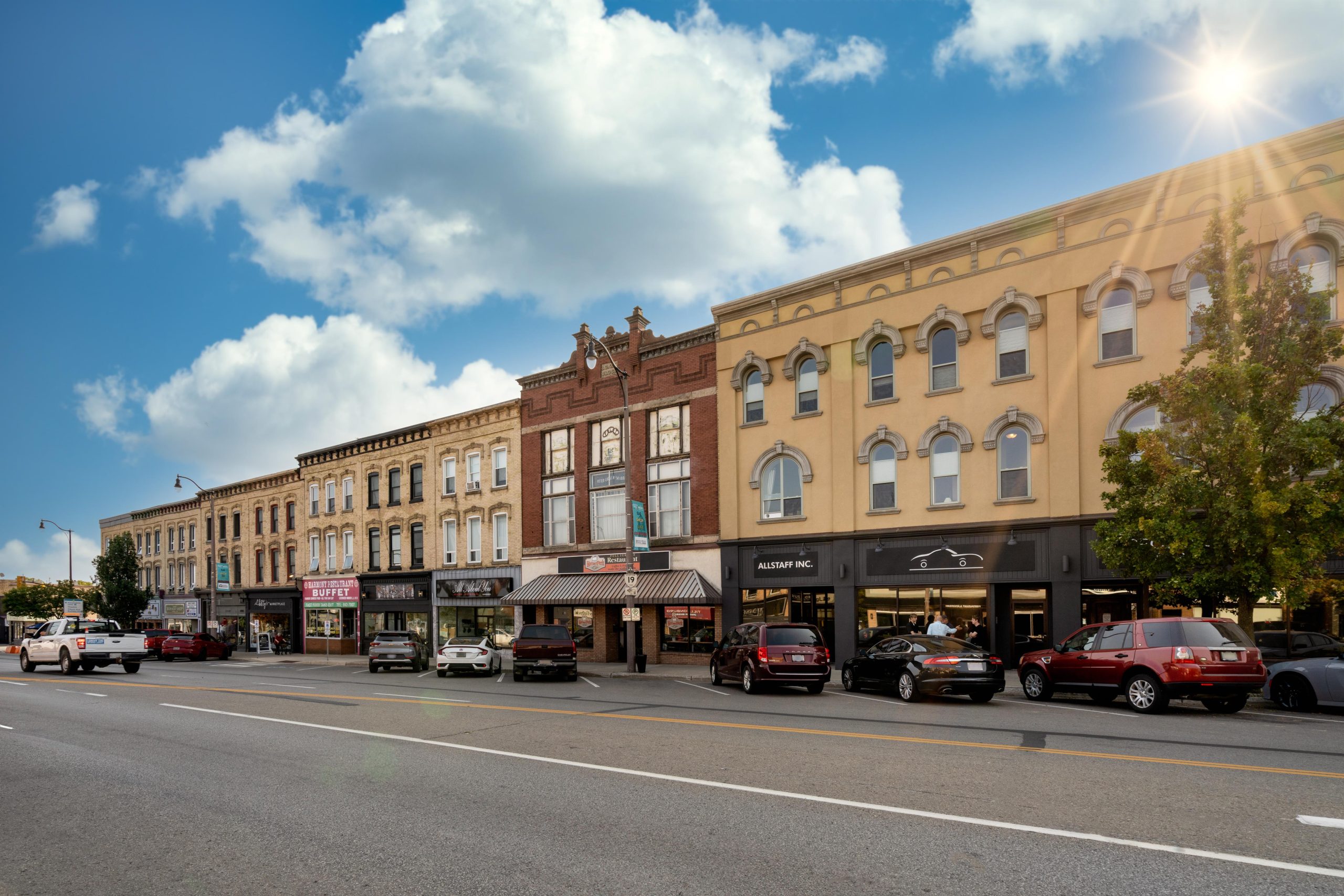
Main street corner with dated retail and second-floor apartments. The building had good bones, 50 feet of frontage, and on-site parking for eight vehicles. Zoning supported mixed commercial and residential use with modest height. Retail depth and ceiling height suited service uses more than chain retail. Rents for small shop tenants had recovered, yet incentives remained meaningful. A boutique office and service retail mix at ground, with refreshed two-bedroom units above, produced stronger returns than a full gut for restaurant use. The HBU result emphasized phased renovation, not a change in use. The owner avoided overcapitalizing and kept downtime short.
Highway commercial parcel with shallow depth. The frontage was generous, but the site narrowed behind the first 150 feet. Truck access for large-format users would be compromised. National quick-service chains declined due to drive-thru stacking limits. A multi-tenant strip would have strained parking ratios. The feasible path became a single-pad user with lower stacking needs and strong daytime traffic, paired with an at-grade shared entrance agreement with the neighbor. HBU aligned with the geometry, not the dream of multiple pads.
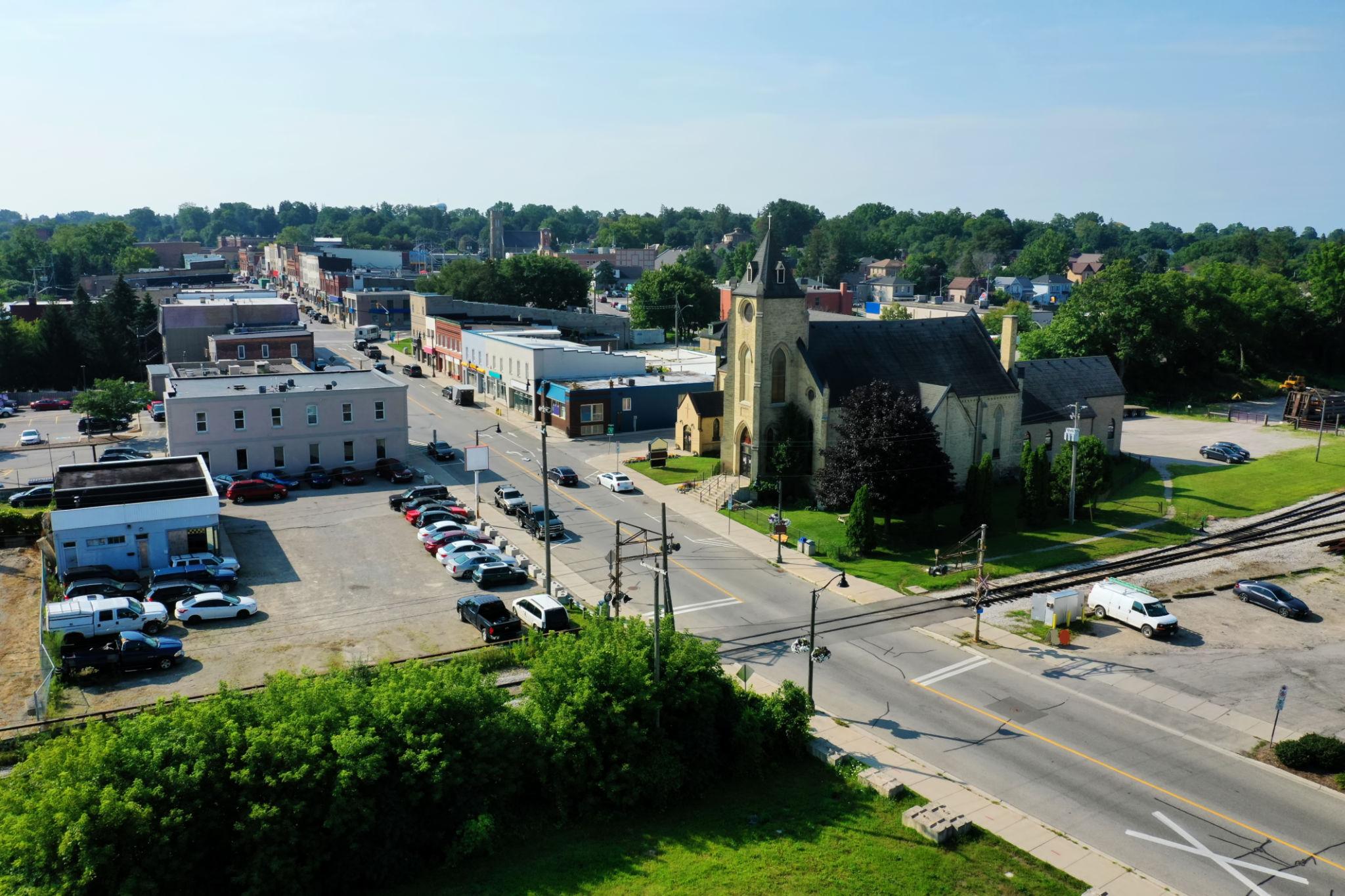
Edge-of-town acreage with agricultural zoning and future development designation. The land sat within a long-term growth area, but services were several concessions away. Near-term uses remained agricultural and related rural commercial. Speculation about immediate subdivision did not survive the legal test or the financial test. The HBU, as if vacant, remained agricultural in the current horizon, with a note on potential for long-term urbanization subject to servicing and planning. That distinction protected the lender and set appropriate expectations for the owner.
Timing, risk, and phasing matter more than they used to
If you price risk wrong, your HBU conclusion becomes brittle. Construction costs in many markets remain elevated relative to pre-2020 norms. Approval timelines have lengthened in some jurisdictions due to staffing pressures. Lenders have tightened underwriting spreads. These conditions change feasibility thresholds. A use that only works if approvals arrive in 12 months and rents beat the top quartile by 10 percent is not your HBU, however trendy the concept.
Phasing can rescue a site. For an older industrial property, re-tenant two thirds now, plan a front-of-lot redevelopment later. For a retail corner, secure a credit tenant to anchor the pro forma, then add a second pad when traffic counts justify it. HBU is not a single-moment declaration. It can be a path that recognizes today’s constraints and tomorrow’s opportunities, stated clearly in the commercial appraisal Oxford County stakeholders will rely on.
Different stakeholders, different lenses
Owners, lenders, municipalities, and tenants read the same site through different priorities. A balanced HBU analysis acknowledges those priorities without losing the thread of value.
- Owners weigh tax impact, cash flow, and control, often favoring options that preserve flexibility.
- Lenders prioritize stability, lease quality, and exit liquidity, favoring uses that demonstrate depth of demand.
- Municipal staff look for conformity with planning policy, servicing capacity, and community impacts.
- Tenants want functionality, visibility, and cost certainty, not abstract density targets.
- Developers need a path through approvals and construction that protects their margin and timeline.
A commercial appraiser Oxford County clients trust keeps these lenses in view and explains how the conclusion fits within that ecosystem.
What to expect in the report
An HBU section in a commercial real estate appraisal Oxford County decision makers will accept does not hide behind jargon. Expect to see:
Narrative that lays out the site’s physical attributes and legal setting, with citations to zoning and planning documents. Photos that show more than the façade, including access points, neighboring uses, and constraints. A description of alternative uses considered and why they were rejected or advanced to feasibility testing. Market data that ties rents, vacancy, absorption, and cap rates to specific comparable sets. Residual land value or discounted cash flow snapshots that demonstrate feasibility. A conclusion that distinguishes between HBU as if vacant and as improved, if relevant, and that acknowledges timing if the optimal outcome requires phasing.
If your appraiser glosses over alternatives, or asserts without numbers, push back. Good commercial appraisal services Oxford County professionals provide include the scaffolding that supports the opinion.
Common pitfalls that distort HBU
Two errors recur. The first is misreading zoning and assuming that a permitted use is also practically developable. A bylaw might list a hotel as a permitted use, but parking ratios, access geometry, and brand prototype requirements may make that permission illusory. The second is importing market data from a larger city without discounting for depth of demand and tenant mix. A rent that one or two trophy assets achieve does not establish a market level for a new building on an average site, especially if tenant inducements were heavy.
A related mistake is ignoring soft costs and carry. Development management, design fees, approvals, interest during construction, tenant improvement allowances, and leasing commissions add up. When a pro forma forgets those, the feasibility test becomes a mirage.
When highest and best use changes
HBU is not permanent. It shifts with infrastructure, demographics, and policy. New interchanges or road widenings can recast retail nodes in a few years. The arrival of a major employer can alter housing demand and service needs. A bylaw update that permits greater height or reduces parking minimums can change what is feasible on a tight site. Conversely, new environmental mapping can limit expansion where it once looked easy.
Pay attention to triggers: a municipal servicing plan that moves a boundary line, a transit plan that upgrades a corridor, or an institutional expansion that anchors daytime population. In appraisal practice, we note these, but we date our conclusions to current conditions unless the assignment explicitly asks for prospective analysis with defined assumptions. That discipline keeps the value opinion defensible.
Choosing the right professional for the assignment
HBU analysis is not a commodity. The best fit depends on the property’s complexity, the purpose of the assignment, and the audiences that will read the report. For financing at conservative leverage on a stabilized asset, a seasoned commercial appraiser in Oxford County with strong income approach skills may suffice. If you are pursuing a zoning amendment or underwriting a major redevelopment, you want an appraiser who works comfortably with planners, engineers, and lenders, and who can defend feasibility assumptions under scrutiny.

Ask how they source market data, how they test alternative uses, and whether they have recent experience with similar properties in the county. A firm that provides commercial appraisal services Oxford County wide and keeps files on competitive rents, concessions, and absorption by node will reach stronger conclusions faster than one that starts fresh each time.
Turning analysis into action
The value of HBU analysis is not the paragraph in the report. It is the decision you make afterward, with fewer blind spots. If the HBU, as improved, supports holding and operating with targeted capex, you can budget with confidence and negotiate leases that match your path. If the HBU, as if vacant, points to a specific development form, you can engage a planner and designer with a clear brief, and you can test lender appetite early. And if the HBU highlights that your dream does not pencil, better to learn that now than after you pull permits.
For owners and lenders alike, a grounded highest and best use conclusion transforms a property from a set of possibilities into a viable plan. That is the heart of commercial property appraisal Oxford County professionals deliver when they respect the four tests, study the local fabric, and show their work.