How to Prepare Your Property for a Commercial Appraisal in Perth County
Good preparation narrows the valuation range, trims down questions, and keeps your financing or transaction timetable on track. I have watched deals stall for weeks because a landlord could not produce a signed lease schedule, and I have also seen an appraiser shave days off delivery because a client packaged the right information up front. If you own or manage commercial real estate in Perth County, the groundwork you do before the appraiser arrives will show up in the clarity and credibility of the final number.
This guide walks through what a commercial appraiser cares about, how different valuation approaches work, and the real steps you can take to help them work efficiently. The specifics lean on local realities in Stratford, St. Marys, Listowel, Mitchell, Milverton, and the rural townships where zoning rules, utility access, and market depth can look different from Kitchener or London. Whether you are refinancing, settling an estate, setting a listing price, or splitting assets among partners, the same preparation principles apply.
Why preparation matters
Appraisers are neutral analysts, not advocates for the highest or lowest price. Their job is to develop a supported opinion of value that meets professional standards and stands up to lender and regulatory scrutiny. If you do not supply leases, tax bills, or evidence of recent capital work, an appraiser must rely on assumptions. Assumptions introduce uncertainty, and uncertainty typically pushes value toward the conservative side.
In a smaller market like Perth County, the sales comparison pool can be thin for certain asset types. That places more weight on the income approach and on the story your property’s numbers tell. A clear rent roll, reconciled operating statements, and proof of expenses help the appraiser benchmark net operating income against local cap rates. That is how you avoid being lumped into a generic category that does not reflect your property’s strengths or its risks.
What a commercial appraiser actually looks for
If you picture the site visit as a quick walkaround with a camera and clipboard, you are only seeing half the job. The inspection validates physical facts: gross building area, unit mix, ceiling heights, loading capacity, parking count, accessibility, roof and paving condition, deferred maintenance, and overall functionality. The rest happens at a desk, where the appraiser studies your documents, researches comparable sales and rents, calls brokers for context, and tests the numbers through the cost, income, and sales comparison approaches.
Their focus sharpens around a few themes:
- Legal: permitted uses, conformity with current zoning, legal nonconforming rights, minor variances, easements, encroachments, site plan approvals, and whether any building area or site use violates setbacks or coverage.
- Physical: age and condition of major components like roof membranes, HVAC, electrical service, water and sewer connections, fire separation, sprinklers, dock doors, and insulation. Also, functionality for contemporary tenants. For example, an older industrial building with limited power and low clear heights will face a different demand curve than a 25 foot clear warehouse.
- Economic: contract rents, typical market rents by use and quality, vacancy and downtime assumptions, expense recoveries, and capital expenditures. The appraiser will look at multi year operating history if it is available and reconcile to a stabilized picture.
- Environmental and life safety: any Phase I Environmental Site Assessment, spill history, UFFI, asbestos, lead paint in older buildings, mold, underground storage tanks, or designated substances surveys. Even a clean report from a credible firm changes perceived risk for lenders and investors.
- Market context: where your property sits in the county’s ecosystem. A retail pad near the Festival Theatre will not trade the same way as a tire warehouse along Highway 23. The appraiser ties your micro location to regional trends in absorption, cap rates, and investor appetite.
Knowing these anchors helps you package information the way a commercial appraiser in Perth County will use it.
A quick primer on valuation approaches
You do not need to be an appraiser, but it helps to understand how value is built.
The income approach estimates value by converting stabilized net operating income into a value signal, typically through direct capitalization for simple assets or a discounted cash flow for properties with lease rollover, staged rent steps, or major capital events. In smaller Ontario markets like Perth County, cap rates for modest sized, well leased commercial properties often fall in the mid to high single digits, with higher yields for properties with short lease terms, specialized use, or location risk. Ranges move with interest rates and local demand, so treat any rule of thumb as a snapshot, not gospel.
The sales comparison approach analyzes recent transactions of similar properties and adjusts for differences in location, condition, size, and income profile. The challenge locally is scarcity of truly comparable sales for unique assets. That is where quality data and an appraiser’s network of broker calls matter.
The cost approach is most useful for newer buildings, special purpose properties, or where land value is a significant driver. The appraiser estimates land value, adds depreciated replacement cost of improvements, and considers entrepreneurial profit. If your site has unique features, such as heavy power or extensive site works, cost analysis can capture value that the sales market might not show clearly.
Your preparation should feed whichever approach will be most persuasive for your asset type.
Local realities that shape value in Perth County
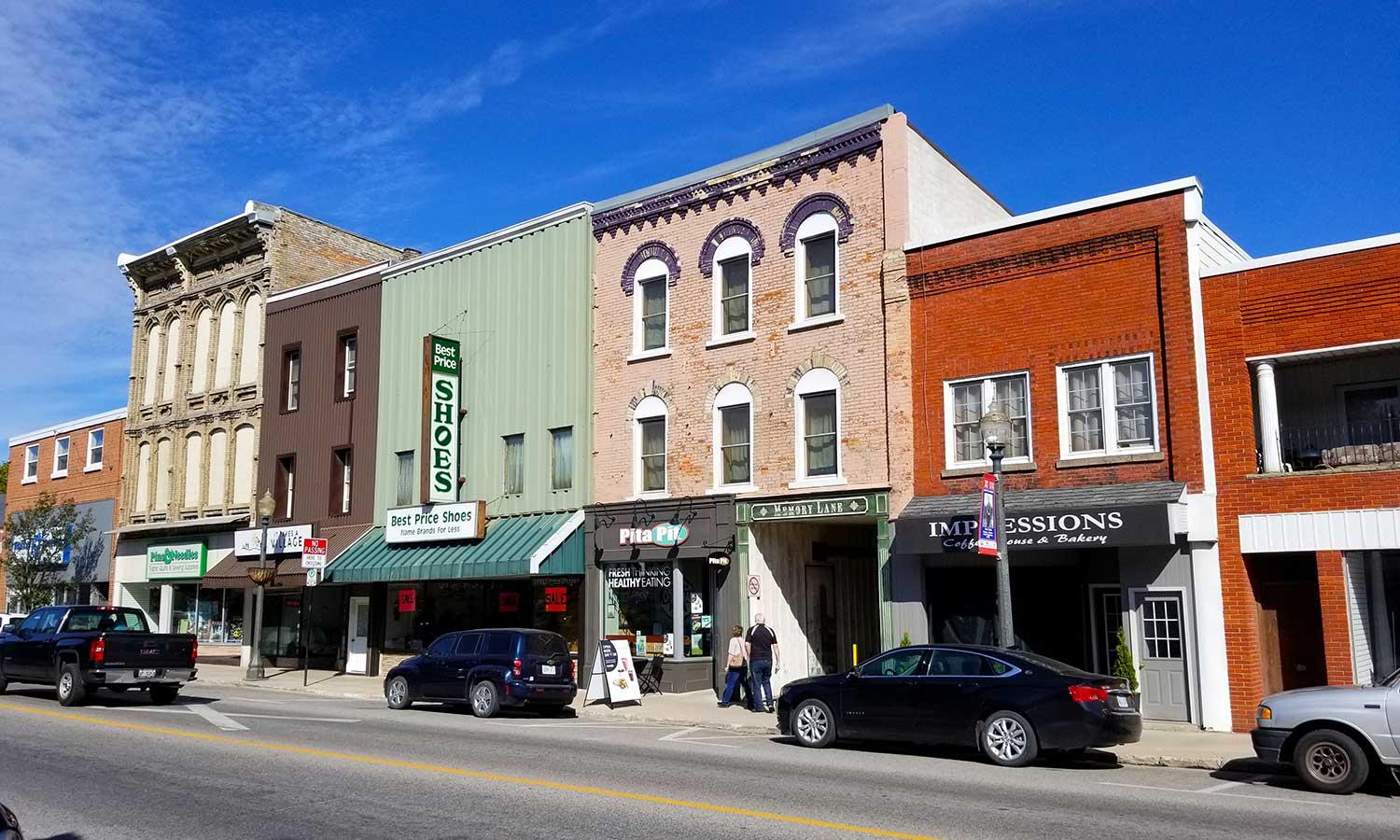
Perth County’s commercial market blends main street retail in towns like Stratford and St. Marys, light industrial in Listowel and Mitchell, agricultural processing near rural townships, and pockets of office or mixed use. A few dynamics often surface during a commercial real estate appraisal in Perth County:
- Depth of comparables: In metropolitan areas, an appraiser might find ten industrial sales within a short radius. In Perth County, they may look across an 18 to 36 month window and broaden geography to similar secondary markets. If you have independent evidence of a recent arm’s length offer, or a terminated deal with details on price and conditions, that can help calibrate the analysis.
- Zoning and legal nonconformity: Older buildings sometimes sit on lots that would not be approved under current zoning coverage or setback rules. Legal nonconforming status can be fine if documented, but uncertainty here nudges value downward. A zoning compliance letter from the municipality is a simple way to remove doubt.
- Infrastructure and site functionality: Availability of three phase power, fiber, gas service, and adequate water and wastewater capacity influences tenant profile and rent potential. A small investment in documentation, like noting service size and any upgrades, pays off.
- Exposure and traffic: Retail along Ontario Street in Stratford or Queen Street in St. Marys behaves differently than a side street location. Provide traffic counts if you have them, or at least document access, signage rights, and parking management.
- Seasonal demand: Tourism and events, including Stratford’s theatre season, can lift retail and hospitality income at certain times. If your property benefits from that seasonality, show it with sales data or percentage rent statements rather than anecdotes.
These conditions are not obstacles. They are context. A good commercial appraiser in Perth County will weigh them, but you can make the weighting easier by supplying clear evidence.
Assemble the documents the appraiser will request
You can save everyone a round of emails by preparing a clean, labeled package. If you do not have an item, say so early and explain why. Silence creates suspicion; transparency builds confidence.
Here is a short, high impact packet that covers the bases:
- Current rent roll with lease abstracts for each tenant, including commencement, expiry, renewal options, rent steps, area, and expense recovery terms
- Trailing three years of operating statements plus the current year to date, with a breakdown of taxes, insurance, utilities, maintenance, management, and reserves
- Most recent property tax bill and any appeals or assessment notices, plus proof of payments if the lender requires it
- Copies of all material leases and amendments, service contracts, and any recent estoppel certificates you have on hand
- Site plan, building floor plans, surveys, and any Phase I ESA, building condition report, or major capital expenditure records from the last five to ten years
If a tenant pays utilities directly, make a note of the meters and any sub metering agreements. If you self manage and do not prepare formal statements, assemble bank statements and invoices to substantiate expenses. Appraisers can work with imperfect records as long as the facts are credible and traceable.
Prepare the property for the site visit
The physical inspection is not a beauty contest, but it is a reality check. Safety hazards, water staining, out of service mechanical units, or inaccessible areas all raise questions. A few hours of preparation reduces the need for follow up.
Use this brief day of checklist to simplify the inspection:
- Ensure all interior and roof access keys are available, with someone on site who knows the building
- Clear blocked areas so the appraiser can measure, photograph, and verify mechanical systems and electrical service
- Mark unit numbers clearly and provide a simple map or list that matches the rent roll
- Gather recent maintenance invoices and label locations of any material repairs such as roof patches or replaced HVAC units
- Confirm parking counts, loading areas, and any shared access arrangements with neighbors, and have documents ready if they exist
If the weather is poor or roof access is unsafe, rescheduling is better than a partial inspection. Lenders rarely accept photos from another day unless they are taken by the appraiser. Ask the appraiser ahead of time what they need to see so you can plan around tenant hours.
Clarify rents, recoveries, and realistic expenses
When a building is leased, the income approach will likely carry the most https://rivertret489.raidersfanteamshop.com/common-appraisal-pitfalls-and-how-perth-county-commercial-property-owners-can-avoid-them weight. Your job is to make the income and expense picture believable and complete. That starts with the basics, then gets into nuance.
For basics, every lease should tie back to an area, a rent schedule, and a recovery structure. If you have different area standards across leases, say so. If one tenant is on a gross lease and others on triple net, explain how you handle year end reconciliations. Provide the last reconciliation statements if you have them.
For nuance, be upfront about concessions, free rent, or unusual covenants. A three month abatement that ends next quarter is not a problem once it is documented. An informal promise to reduce rent without a written amendment is a problem. It will come out eventually, usually at the worst time.
Expenses deserve the same discipline. Lumped categories like Repairs or Miscellaneous invite questions. Break them down or provide a sample of invoices so the appraiser can separate recurring items from one time capital projects. If you recently replaced a roof at a cost of 200,000 dollars, include the invoice and warranty. Capital items are handled differently than repairs.
Where a property is partially vacant or under rented, be ready to discuss lease up timing, tenant inducements, and commissioning. An appraiser will model a stabilized picture that includes downtime and costs to achieve stabilization. If you can point to signed LOIs, a broker’s marketing plan, or recent absorption data in similar buildings in Listowel or Stratford, that stabilizing assumption becomes tighter and fairer.
Understand how condition and capital planning affect value
Condition carries weight beyond cosmetics. If an appraiser notes original rooftop units approaching end of life, a cracked asphalt lot, and a patched membrane roof, they will either normalize higher reserves in the income approach or reflect functional and physical depreciation in the cost approach. That does not mean you should rush to pave or replace HVACs before an appraisal, but it does mean you should frame the narrative with facts.
If you have a recent building condition assessment that maps expected replacements over the next 5 to 10 years, share it. Lenders take comfort in a plan. Appraisers translate that into reasonable reserve allowances. If you have completed big projects, put photos and invoices into a short addendum. Dates matter. A parking lot paved last July reads differently than an undated note that says paving was done recently.
Functionality ties to tenant profile. A warehouse with 14 foot clear height will compete on price and location but will not attract tenants who need modern racking. An older downtown building with limited accessibility may be ideal for professional services but less so for medical uses. Understanding where your building sits on that functionality spectrum helps you set valuation expectations.
Zoning, permits, and legal compliance
Zoning surprises are the enemy of smooth underwriting. If your use conforms, a short letter from the municipality or a copy of the zoning bylaw excerpt with permitted uses highlighted settles the matter. If your building or use is legal nonconforming, document how and when the use was established. Provide any minor variances, site plan approvals, or building permits that legitimize additions or changes of use.
Encroachments, easements, shared driveways, signage rights, and parking agreements all matter. A current survey and a registered easement schedule can turn a grey area into a non issue. Without them, the appraiser must assume risk that may not reflect reality.
Environmental and life safety documentation
Even a simple property can carry environmental questions. If you have a Phase I Environmental Site Assessment from a recognized firm within the last five years, include it. If you operated an automotive or light industrial use in the past, be ready to discuss spill history, storage practices, and any remediation. Old fill, former rail spurs, and heating oil tanks are common sources of flags in older parts of Perth County towns. Most flags do not kill value outright, but undisclosed issues do.
Fire code compliance matters too. A verification of sprinkler coverage, fire alarm inspections, and proof of emergency lighting checks are inexpensive to provide and remove needless concerns. For mixed use buildings, clarity on fire separations between residential and commercial areas is crucial.
Special property types and edge cases
Not every property fits a neat bucket. Here are a few situations I see often in commercial property appraisal in Perth County and how to prepare for them.
Owner occupied industrial or service commercial: If there is no lease, the appraiser will impute market rent. Help them by providing comparable asking or achieved rents from nearby industrial buildings and by documenting the functional strengths of your space, such as power service and loading. If the business uses specialized improvements, identify what is real property versus business equipment.
Mixed use main street buildings: Area measurements tend to be inconsistent floor to floor. Provide measured drawings if you have them and flag any residential units that are nonconforming. Confirm separately metered utilities. Loan underwriters pay close attention to life safety in mixed use assets.
Hospitality or short term rentals: Seasonality is real. Provide a full set of monthly revenues and occupancy over at least two years to show patterns. If you have contracts with travel companies or event organizers, include them. Averages alone hide shoulder season dips that matter in stabilized modeling.
Redevelopment or excess land: If part of your site is underutilized or can be severed, value can reside in development potential. Zoning, servicing capacity, and market demand drive feasibility. Appraisers will not run a full development pro forma without an assignment to do so, but they can reflect excess land value if it is supported. Supply any pre consultation notes with the municipality and servicing maps.
Agricultural related commercial uses: For properties tied to ag processing or equipment sales, location near transport routes and access for heavy trucks take on outsized importance. Document turning radii, pavement depth if known, and any MTO access permits.
Working efficiently with your appraiser
Engage early, ask what they need, and agree on scope. A concise email that lays out the property summary, the purpose of the appraisal, and any special issues will save time. If a lender is involved, confirm the reporting format they require and their approved commercial appraisal services in Perth County. Some lenders have strict panel requirements. Do not assume that any commercial appraiser in Perth County can be used without prior lender consent.
Be candid about known issues. If a tenant is in arrears or a roof is leaking, saying so upfront lets the appraiser weigh it properly. Most surprises are worse than the facts themselves.
When the draft report arrives, read it carefully. If you spot factual errors, such as a wrong building area or missed lease option, provide documents and a calm, specific note. Appraisers stand by their opinions, but they will correct factual mistakes.
Timelines, fees, and what drives them
For a straightforward single tenant industrial building with clean documents, expect 1 to 2 weeks from site visit to report, with rush options available if the appraiser has capacity. Complex mixed use or multi tenant assets run longer, often 2 to 4 weeks. Fees vary with complexity, report format, and travel. In Perth County, you will see a range that reflects scale and scope rather than a fixed menu. The fastest way to keep timelines tight is to provide a complete document package on day one and be available for clarifications within 24 hours.
Common pitfalls that dent value or slow the process
I keep a mental list of avoidable missteps that have cost owners time and money. The most common:
Rent roll mismatches: The appraiser arrives with a rent roll that lists five tenants, then finds seven doors and a mezzanine that is sublet informally. Even if the economics are fine, the inconsistency undermines confidence.
Hidden concessions: A tenant pays 18 dollars per square foot on paper, but you quietly reduced it to 15 for a year. If it is not documented, it will emerge later and force a rework under pressure.
Missing tax details: Commercial properties in smaller markets sometimes have irregular assessment histories. If you have appealed or secured a reduction, supply the evidence. Without it, an appraiser may model taxes at current notice levels that do not reflect your actual burden.
Access issues: Roof ladders with no cage, locked electrical rooms, or a surprised tenant can mean a second visit. Few things drag a timeline like a partial inspection.
Overstating condition: Calling a 25 year old roof new because you patched it last year invites a tough conversation. Be accurate and you will be treated as a reliable narrator.
A short example from the field
A small investor in Stratford bought a two tenant retail building along a secondary arterial. One tenant was on a triple net lease with nine years left. The second was mom and pop, paying gross rent that had not moved in five years. The owner planned to refinance to fund a façade refresh and new signage.
Before the appraisal, we helped them convert the second lease to a net structure with a fair base rent and recovery of taxes and insurance. We pulled three years of utility bills to prove usage was already separately metered. We also obtained a simple zoning compliance letter and assembled a file with roof invoices from three years ago and the tax appeal decision that lowered assessment the previous cycle.
The appraiser still applied a realistic vacancy and reserve allowance, but the stabilized income was now clear. They selected a mid range cap rate based on Stratford comparables and nearby towns with similar demand. The valuation came in 9 percent higher than a quick broker opinion the bank had on file. The difference did not come from spin. It came from structure, documents, and removing doubts.
Using the appraisal strategically after delivery
Once you receive the report, use it as a management tool. If the appraiser flags deferred maintenance and models higher reserves, treat that as a capital planning prompt. If cap rate sensitivity shows a narrow band of outcomes, consider locking in refinancing before rates move again. If market rent analysis suggests you are 2 to 3 dollars per square foot below peer assets, draft a plan for step ups at renewal and invest in the improvements that justify them.
If you disagree with the value, focus your response on facts and comps. Provide alternative sales with adjustments, show confirmed lease comparables, or supply corrected area measurements. Most appraisers are open to clarifying discussions within reason. Rebuttals that rely on hope or hypothetical buyers do not travel far.
Finding and hiring the right professional
Local knowledge matters. Look for commercial appraisal services in Perth County with a track record in your asset type, not just a postal code match. Ask about their experience with lender assignments, expropriation, litigation, or estate work depending on your need. If a bank is involved, confirm they accept reports from the firm you choose. A seasoned commercial appraiser in Perth County will know how to source comparables in a thinner market, how to interpret local zoning nuances, and how to communicate with lenders that regularly finance in the area.
Do not shop only on price. The cheapest quote can cost you time if the appraiser takes longer to verify data or does not have the relationships to secure necessary market intel. Fast, well supported, and credible beats cheap and contested every time.
The bottom line for owners in Perth County
Preparation is leverage. The more you anticipate what an appraiser needs, the more the valuation will reflect the real strengths of your property and the less it will be discounted for unknowns. Start with a clean rent roll, reliable operating statements, tax and zoning clarity, and a site that is safe and accessible to inspect. Layer in environmental and building condition information where relevant. Treat the appraiser as a partner in information gathering, not an adversary.
Commercial real estate appraisal in Perth County draws on local patterns that shift less dramatically than big city markets, but the principles are the same anywhere: sound data in, sound value out. If you invest a little time upfront, you will get a report that does more than satisfy a lender. It will help you make smarter decisions about leasing, capital planning, and timing your next move.