Market Trends Impacting Commercial Real Estate Appraisal in Elgin County
Elgin County has always punched above its weight. A few years ago, a typical assignment might have been a small-bay industrial condo in St. Thomas or a lakeside retail building in Port Stanley, with values driven by local trade, tourism, and spillover from London. Today, the conversation frequently starts with the EV supply chain, construction timelines, and whether cap rates have caught up to borrowing costs. The forces shaping a commercial real estate appraisal in Elgin County are broader, faster, and more interconnected than they were even three years ago, and the implications show up directly in valuation work.
I spend most weeks pulling threads between market activity and appraisal outcomes. What follows is not a template, but a set of grounded observations about what moves value in this county right now, and how a commercial appraiser in Elgin County weighs those moving parts.
The backdrop: what has actually changed
St. Thomas moved from regional center to national headline with the announcement of the battery manufacturing “mega site” and the planned ecosystem around it. Suppliers have been kicking tires on land and space within a wide radius, and Elgin’s townships are working to match zoning, servicing, and transportation with the new demand. That change reverberates across asset types. Landowners who once expected a patient sale to a local contractor now receive calls from site selectors asking for 20-plus acres with heavy power and highway access. Leasing inquiries for modern industrial space outstrip current stock. Retail nodes that serve workers on shift schedules look different from tourist-driven storefronts.
Interest rates matter as well. After the run up in 2022 and 2023, the Bank of Canada began easing in mid 2024. Even with some relief, the cost of debt remains meaningfully higher than the 2017 to 2021 era. Cap rates adjusted up through 2023, then stabilized and, in a few niches, tightened on the expectation of further cuts. In practice, the local cap rate conversation in 2024 and 2025 hinges on asset quality, lease duration, and the credibility of growth assumptions.
Ontario’s property assessment cycle adds another layer. MPAC’s provincewide reassessment has been deferred, so municipal taxation is still anchored to the older base year. For appraisal purposes, that creates quirks in expense modeling and in how buyers underwrite net operating income. A commercial property assessment in Elgin County can deviate from market reality on a per-foot basis, and thoughtful adjustments are required when reconciling expenses in the income approach.
Industrial demand near the EV hub
The industrial narrative is the most visible one. Modern logistics and advanced manufacturing users have a short wish list: clear heights in the high 20s or low 30s, efficient loading, large truck courts, and reliable power. Much of Elgin’s older stock does not check all those boxes. That gap explains rising interest in build-to-suit agreements and land that can accommodate quick-to-market tilt-up construction.
Net rents vary by unit size and specs, but the direction of travel is clear. For small-bay industrial in town, I see deals cluster in the low to mid teens per square foot on a net basis, with above-average spaces achieving higher. Newly built mid-size bays with robust loading justify a premium, especially if the developer can deliver within a year. For large-format facilities on strategic corridors, headline rents may be higher, but incentives creep in, and those concessions matter to valuation.
From an appraisal standpoint, comp selection demands discipline. A 1980s light industrial building with 16-foot clear and limited loading is not an apples-to-apples comp for a 2023 tilt-up with ESFR sprinklers. Even if they sit two concessions apart, functional utility drives a wedge between them. In the sales comparison approach, we stratify comps by effective utility, not just by age or address. In the income approach, we underwrite realistic lease-up timelines and downtime to reflect the scarcity of true substitutes.
Retail has split into two stories
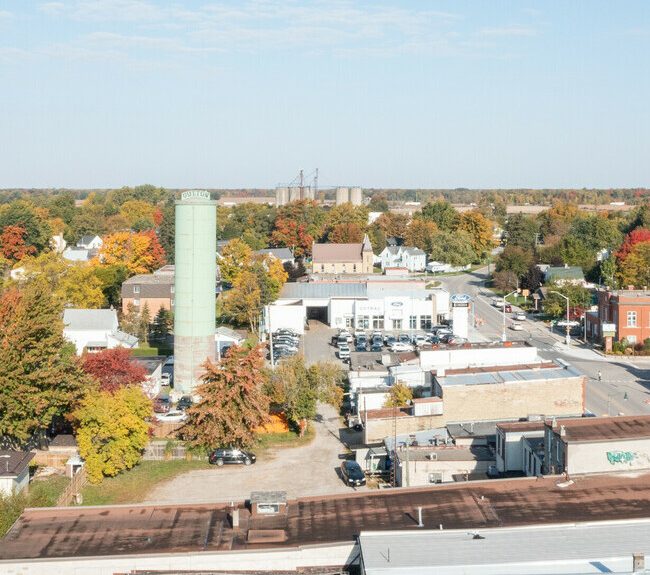
Elgin’s retail market diverges between tourism-led and service-driven segments. Port Stanley and the lakeshore see seasonal surges. Restaurant and boutique operators pay close attention to foot traffic patterns by month, which translates into lease structures that frontload the summer or use percentage rent to balance risk. In St. Thomas and Aylmer, grocery-anchored plazas and daily needs retail run on a different cadence. Strength in those centers depends on tenant mix, parking efficiency, and visibility from commuter routes.
For a commercial real estate appraisal in Elgin County, the retail cap rate spread widened during the rate-hike period, especially for unanchored strips. Well-leased, grocery-anchored centers held up, with tighter caps justified by lower perceived cash flow volatility. Single-tenant net lease assets, once bid aggressively, now trade with a cap that reflects tenant credit and remaining term. If a lease has fewer than five years left without clear renewal terms, the market prices that risk with little sentimentality.
Offices find their footing in medical and public service use
Downtown offices in mid-sized Ontario markets had to replant their flag during and after the pandemic. In Elgin County, the floor that held was medical, allied health, and public service. Buildings that can meet clinical standards, provide accessible parking, and offer flexible exam room layouts see durable demand. Traditional professional office use continues, but tenants push for efficient footprints.
Appraisers balance the optics of vacancy with the specifics of tenant quality and fit-out. A tired second-floor suite with low visibility draws a different rent than a ground-floor clinic-ready space with plumbing stacks and barrier-free access. The cost approach becomes relevant for heavily specialized medical build-outs, where contributory value of tenant improvements must be parsed with care.
Development land: pricing the path of progress
Land is where optimism and realism meet. Owners near infrastructure corridors hear big numbers and wonder if the moment has arrived. The right answer depends on zoning certainty, servicing timelines, and the probability of achieving the intended use within a lender’s horizon. The EV ecosystem is catalyzing real change, but water, wastewater, and power do not materialize on a press release.
Sales of unserviced agricultural parcels with speculative industrial potential command a premium over pure farmland pricing only when there is a credible path to development. Appraisers look for milestones: inclusion within a settlement boundary, draft plan activity nearby, municipal commitment to servicing, or demonstrable progress on a secondary plan. Without that, it is premature to price land as if it were shovel-ready. Time-adjusted analysis helps separate momentum from hype, particularly where marketing packages lean on regional headlines rather than site-specific readiness.
Construction costs and the reality of delivery
Hard costs spiked in 2021 and 2022, moderated, then plateaued at a higher baseline. In Southwestern Ontario, trades availability remains patchy. Steel pricing cooled somewhat from the peak, but specialized labor is still a bottleneck. Soft costs, including design, approvals, and carrying costs, continue to move up. The old rule-of-thumb replacement cost numbers are unreliable.


For a commercial property appraisal in Elgin County that applies the cost approach, current unit costs must be refreshed with local bids or credible cost guides, then adjusted for site-specific conditions, from poor soils to off-site levies. Depreciation is not simply a percentage by age. Functional obsolescence shows up in low clear heights, inefficient column grids, or obsolete mechanical systems, and those penalties vary with tenant demand. In practice, the cost approach carries the most weight for special-purpose buildings and for new or near-new construction where market comps are thin.
Taxes, MPAC, and underwriting noise
Investors underwrite taxes on a forward-looking basis, but actual bills still reflect an earlier base year. That gap produces noise in pro formas. A commercial property assessment in Elgin County may understate the effective tax burden for a newly renovated or repositioned property compared to a similar building with no recent permit activity. Sophisticated buyers normalize expenses, especially for triple-net leases, but appraisers still need to reconcile actuals to market-level expectations.
When preparing an appraisal for financing, I often provide two lenses: the current NOI based on in-place expenses, and a stabilized NOI that reflects market taxes. Lenders appreciate seeing the bridge between the two. It clarifies debt coverage and reduces friction at credit committee.
Environmental and due diligence: still a factor, sometimes a breaker
Elgin’s industrial legacy is an asset and a liability. Older sites carry environmental history, and even non-industrial properties can have surprises from earlier uses. Phase I ESAs that flag recognized environmental conditions shift valuation. Buyers either demand a price concession or require a holdback until remediation is scoped and costed. Properties adjoining rail, legacy fill, or historical fuel storage warrant extra scrutiny.
On the flip side, clean environmental files become a marketable feature, particularly for owner-occupiers who need certainty to greenlight equipment orders. For appraisers, the question is not whether an issue exists, but how it will actually affect a transaction in this submarket. If recent sales of similar sites with minor contamination closed with standard indemnities rather than large price cuts, that evidence moderates adjustments.
Transaction volume and the problem of thin comps
Higher interest rates slowed deal flow in 2023, then activity thawed unevenly in 2024. In parts of Elgin County, you can go quarters without a clean, arm’s-length sale of a modern industrial asset. When comps thin out, appraisal work becomes more inferential. We look to wider geographies with careful adjustments for location and utility, or we lean harder on the income approach with market-derived assumptions audited against actual leases.
For example, a lack of recent sales in St. Thomas of small-bay industrial does not mean the value discovery stops. If London or Woodstock sees a number of trades for similar assets, and local leasing support in Elgin aligns with those markets after adjusting for rent and absorption, the reconciliation can rely on those signals without stretching credibility.
How a commercial appraiser in Elgin County is adapting methods
Appraisal is not a formula. It is a hierarchy of evidence and judgment, tested against the way real buyers and lenders behave. In this market, three adjustments have proven useful:
-
Income approach with scenario testing. Instead of a single rent and cap rate, I often model a base case and two bookends that stress lease-up time and re-tenanting risk. Lenders value the sensitivity analysis, and owners see where small assumptions change big outcomes.
-
Sales comparison with utility indexing. When no two buildings line up perfectly, I score functional utility along dimensions that matter to tenants, then adjust comps accordingly. A 24-foot clear building might score 0.8 relative to a 32-foot clear benchmark, which helps structure adjustments rather than guessing at a single lump sum.
-
Cost approach informed by live bids. For near-new construction, I call local contractors for directional checks. Even if they will not put numbers in writing, their ranges anchor the cost new and the impact of supply chain delays on entrepreneurial profit.
Two brief case snapshots
A mid-2010s industrial building in St. Thomas, 28-foot clear, limited dock doors, single tenant month-to-month. The owner wanted to refinance. Market chatter suggested rents had jumped, but actual deals for comparable space showed a spread. After interviewing brokers and pulling executed leases, we underwrote a lift to market over a 12-month period, with a modest downtime assumption to improve loading. On that basis, the as-is value supported conservative leverage, and the as-stabilized analysis gave the lender comfort about exit scenarios if the tenant vacated. The key was not the headline rent, but the realistic timing and costs to reach it.
A small retail building in Port Stanley, main street, restaurant tenant with strong summer sales and thin winters. The owner received a purchase offer at what seemed like a rich cap on trailing twelve months. We dug into seasonality and found that the TTM captured a peak season with a one-time event that boosted sales. Normalizing for a typical year, plus a reasonable reserve for the landlord’s recurring maintenance, moved https://judahzqzn333.lowescouponn.com/top-commercial-land-appraisers-elgin-county-choosing-the-right-expert-1 the implied cap rate up by 60 to 80 basis points. The seller still had a good offer, but now understood its true relationship to market. They accepted, eyes open.
Practical checklist for owners commissioning a commercial real estate appraisal in Elgin County
- Assemble current rent rolls, leases, and any recent amendments, including inducements or abatements.
- Provide the last two years of operating statements with details on taxes, insurance, and utilities.
- Share recent capital expenditures and planned projects, even small ones. Appraisers price both condition and momentum.
- Flag any environmental reports, zoning correspondence, or variances. Surprises slow lenders.
- Outline credible near-term changes, such as renewals in progress or impending vacancy, and provide supporting emails where possible.
These basics shave days off the process and improve the quality of the final report. For owners using commercial appraisal services in Elgin County for financing, the package you present is often the first impression your property makes at a bank.
A few numbers without promising the moon
Buyers ask for rent and cap rate ranges that make sense locally. In mid 2024 and into 2025, I have seen small-bay industrial net rents in Elgin cluster roughly in the low to mid teens per square foot, with new product and excellent loading pushing higher. For modern, mid-size industrial buildings on strategic routes, rents step up again, but concessions can blur the headline. Retail rents vary widely. Service retail in strong nodes shows resilient demand at mid-teens to low twenties net, while prime tourist-fronting space in peak months can justify more, especially with turnover clauses.
Cap rates widened during the rate hikes, with stabilized grocery-anchored retail and quality industrial holding tighter than unanchored strips or riskier single-tenant assets. Depending on credit and duration, the spread between those categories can exceed 150 basis points. Any figure deserves a footnote about lease quality, capital needs, and growth assumptions. That is where a commercial property appraisal in Elgin County earns its keep, converting noisy data into a coherent valuation supported by evidence.
Lenders and investors are asking sharper questions
Credit teams have become more pointed. They want to know whether the in-place rent is below, at, or above market, and by how much. They ask for realistic downtime to re-tenant. They probe the integrity of expense recoveries in triple-net leases. For development land, they ask when a spade can hit the ground and who is paying for off-sites. An experienced commercial appraiser in Elgin County answers in specifics, not platitudes, using recent leases, comparable sales adjusted for utility, and documented approvals status.
Investors also query exposure to the EV cycle. The safer answer is diversified demand across manufacturing support, logistics, and daily needs retail. Overconcentration in a single supplier that depends on one plant introduces risk. Appraisal reports that reflect tenant business models and local employment drivers help both sides make informed decisions.
The near-term outlook: what could change the math
Forecasting is not the job of an appraiser, but understanding the sensitivity of value to a few external levers is part of the work. Three touchpoints carry the most weight over the next 12 to 24 months. First, the path of interest rates. Further easing would help transactional liquidity, which in turn sharpens price discovery and tightens cap rates at the margin, particularly for high-quality assets. Second, the pace of industrial construction. If developers deliver a wave of modern bays at once, rent growth moderates and lease-up periods stretch. Third, municipal servicing timelines. When a key water or power upgrade hits practical completion, land with credible plans can rerate quickly. Until then, discounts for timing risk remain justified.
The risk watchlist for local owners and buyers
- Lease rollover cliffs in the next two to three years, especially for single-tenant properties without sticky tenants.
- Underestimated capital needs in older industrial, from roof replacements to electrical upgrades for heavier uses.
- Overreliance on tourism-driven retail cash flow without adjusting for shoulder seasons and weather volatility.
- Environmental unknowns that surface late, after term sheet but before funding, leading to price chips or delays.
- Assuming land is development-ready based on proximity to headlines rather than documented approvals and servicing.
Managing these risks does not require pessimism. It requires documentation, honest underwrites, and timeframes that match reality.
Where commercial appraisal services in Elgin County add the most value
Most people hire an appraiser because a lender asks for one. The better reason is to make decisions with a firmer grip on evidence. A good report goes beyond a single value number. It maps the logic from data to conclusion, flags uncertainties, and situates the asset within the moving parts of the local market. For owners contemplating a refinance or sale, that clarity helps sequence actions: adjust rents before listing, complete a roof replacement now rather than during diligence, or time a renewal to improve buyer confidence. For buyers, a rigorous appraisal tempers optimism and spotlights where assumptions need proof.
When I sit down with an owner after an inspection, I usually leave them with two or three actionable items. Maybe their lease abstracts ignore hidden inducements that compress NOI. Maybe their HVAC units are at mixed ages, and a reserve schedule can turn a negotiation into a planned upgrade, rather than a last-minute concession. These are small things that compound into a smoother valuation and, often, a stronger price.
Local nuance still decides outcomes
Elgin County is not London, and it is not Toronto. That seems obvious, yet national templates often creep into analyses and miss the detail that matters on these streets and concessions. Aylmer’s retail mix, St. Thomas’s industrial momentum, Port Stanley’s seasonality, Dutton Dunwich’s land economics, and Bayham’s agricultural backbone create micro-markets that behave differently. Data gathered on foot still offers an edge. I learn as much by standing in a truck court on a Tuesday afternoon, counting trailer turns, as I do by parsing brokerage PDFs.
For anyone considering a commercial property appraisal in Elgin County, start with that local lens. Ask your appraiser how many leases they have actually read in the past quarter. Ask which land sales they have verified with the listing agent, not just scraped from a registry. Ask what MPAC assessments they normalized last month and how they bridged the gap to market taxes. These questions separate a generic valuation from one that truly reflects value here.
The market has moved. It will keep moving. With thoughtful underwriting, grounded comps, and an eye on the levers that actually shift cash flows in this county, a commercial real estate appraisal in Elgin County can illuminate more than a number. It can chart the path between where a property stands today and where it can credibly go, within the realities of zoning, capital, and time. That, in the end, is what owners, buyers, and lenders need when the headlines are loud and the decisions are local.