Maximizing ROI with Professional Commercial Land Appraisers in Dufferin County
Commercial real estate in Dufferin County does not behave like a downtown Toronto tower or a suburban plaza along the 401. Values respond to local industry, servicing limits, the Niagara Escarpment’s footprint, and a patchwork of municipal plans across Orangeville, Shelburne, Mono, Amaranth, Grand Valley, Melancthon, and Mulmur. In a market where a single new industrial build can reset the benchmark for an entire town, precision in valuation becomes a profit lever, not a box to check. That is where experienced commercial land appraisers earn their keep.
I have walked wind-swept farm tracts in Amaranth in January, tried to follow tile drainage maps from the 1980s, and later stood in clean, warm manufacturer suites off Riddell Road in Orangeville while a lender’s underwriter peppered me with questions about cap rates and rollover risk. The best returns I have seen in Dufferin did not come from luck. They came from investors and owners who put a seasoned commercial appraiser in the room early, used the analysis to shape their strategy, and then kept testing their assumptions as conditions changed.
Why the right appraiser moves the ROI needle
A commercial appraisal is not a single number. It is a narrative that connects land use permissions, servicing, comparable evidence, income stability, replacement cost, and investor sentiment. It tells you what the asset is worth today, what it could become under a higher and better configuration, and how sensitive that outcome is to rents, vacancy, and yield.
In Dufferin County, that narrative often hinges on constraints. Parts of Mono and Mulmur fall under the Niagara Escarpment Commission. Source water protection areas touch more parcels than many buyers realize. Conservation authorities, notably CVC, NVCA, and GRCA, can influence setbacks, stormwater design, and cut-and-fill. Shelburne’s growth has challenged utility capacity on certain blocks. Each constraint affects density, timing, and cost, which is to say it affects value.
Appraisers who regularly complete commercial building appraisal assignments in Dufferin County learn where approvals slow down, which corridors command a premium, and how lenders interpret risk when an industrial tenant mixes light manufacturing with outside storage. When you want to maximize ROI, you want that local memory baked into your underwriting.
Where ROI hides in plain sight
Many owners focus on purchase price and the interest rate, then assume the returns will take care of themselves. The better practice is to ask the appraiser to model a few paths and push for clarity around key drivers.
In income producing buildings, cap rates for secondary Ontario markets like Dufferin have typically traded higher than GTA prime, sometimes by 100 to 250 basis points depending on asset class, covenant, and lease term. A small-bay industrial complex with clean environmental history and five year average remaining term might transact in the mid 6s to high 7s. A single tenant flex building with rollover in the near term may push higher. The point is not to debate a tenth of a percent, it is to see how a 50 basis point move ripples through value and loan proceeds. A credible appraiser will show that sensitivity and talk through whether the demonstrated comparables justify your adopted yield.
On development land, the spread between raw acreage in Melancthon and a serviced, site-plan-ready industrial lot in Orangeville can be enormous. The same acreage can appraise very differently depending on whether you assume a phased servicing plan, the drainage solution you can actually permit, and the market-verified exit price for finished lots. I have watched investors turn a 12 percent IRR into the low 20s not by negotiating a lower raw land cost, but by proving, through the appraisal, that the highest and best use supported a tighter, financeable timeline with lower perceived risk. A stronger valuation on the de-risked land staged better debt and reduced equity drag.
The anatomy of a strong commercial appraisal in Dufferin
Three approaches underpin most commercial appraisals: direct comparison, income, and cost. In practice, the best reports in Dufferin blend them, then reconcile with judgment.
Direct comparison works well for standard industrial condominiums in Shelburne or highway retail with similar exposure. The challenge lies in the thin data. Sales are fewer, and parties sometimes prefer confidentiality. Appraisers who close that gap maintain long relationships with brokerages and municipal staff, confirm details quietly, and adjust with restraint. They do not stretch a sale from Caledon into Mono without walking both sites.
The income approach drives valuation for leased assets. It lives and dies by rent comparables and realistic assumptions about downtime, inducements, and operating expenses. An appraiser with Dufferin depth will normalize for net effective rent, distinguish between user sales and investment trades, and measure local rollover risk. If a Shelburne tenant is a regional fabricator with a thirty year history and limited relocation options, that matters more than a national covenant willing to maintain a headcount that will soon shrink.
The cost approach becomes critical for specialized buildings and for insurance or replacement scenarios. Construction costs have moved sharply in recent years. As of the last 12 to 18 months, replacement cost new for standard light industrial shells in southern Ontario often pencilled in the range of 170 to 300 dollars per square foot depending on height, sitework, and mechanical scope. The land and soft costs then determine whether the concluded value by cost corroborates or challenges the income and sales conclusions. In Dufferin, siteworks can swell because of stormwater ponds, rock, or overland flow routing, so a generic cost book figure rarely tells the full story.
What local insight really looks like
Commercial land appraisers in Dufferin County who add tangible ROI tend to bring a few practical habits:
They ground the highest and best use analysis in municipal reality. A report that assumes full services within 12 months on a parcel west of Townline without a capital plan in place does not help you close or finance. Appraisers who call planners in Orangeville or Shelburne, read the engineering reports, and understand Development Charges avoid those traps.
They respect environmental flags. A Phase I ESA that notes fill of unknown provenance on a former rail corridor parcel is not a footnote. I have seen remediation allowances equal to 5 to 15 percent of purchase price in valuations around older industrial spurs. Appraisers familiar with local soil conditions and the appetite of Dufferin lenders will not pretend these costs are rounding errors.
They know when an agricultural parcel holds hidden value. Minimum Distance Separation from barns, aggregate resource overlays, and long term service boundaries can kneecap a speculative play. On the other hand, a farm field abutting an existing employment area with favourable topography and a supportive municipality may deserve a premium even before rezoning. Assigning that premium correctly is hard without firsthand market experience.
They spot odd line items in operating statements. On a mixed use building along Broadway, an insurer had applied a broad policy rider that inflated premiums by 35 percent because a previous owner listed a fabrication use that had left years earlier. An appraiser comfortable with pro forma underwriting drew attention to it, underwrote a normalized expense, and shaped a higher value. The buyer then re-marketed the insurance and harvested the savings.
Selecting the right professional
You have options, from boutique commercial appraisal companies in Dufferin County to national firms that cover the GTA and beyond. Bigger is not automatically better. Local is not automatically cheaper. What matters is whether the team has appraised your asset type in your micro market within the last couple of years, and whether their reports withstand lender and court scrutiny.
Here is a tight checklist I use when vetting commercial building appraisers in Dufferin County:
- Ask for two anonymized samples from the past 18 months that match your asset type and municipality.
- Confirm the appraiser’s AACI designation and whether a candidate appraiser will complete key sections under supervision.
- Probe their knowledge of local approvals, conservation constraints, and service capacity on your corridor.
- Request a draft table of contents and intended scope, including number of comparables and site inspection details.
- Clarify turnaround time and how they handle lender review comments without surprise fees.
Time spent here saves time later. The wrong report can set you back weeks and force you to accept loan terms that do not reflect your asset’s merit.
Commercial building appraisal, land valuation, and the development arc
The divide between building appraisal and land appraisal is not just academic. A commercial building appraisal in Dufferin County tends to stress current income, stabilized assumptions, and physical depreciation. https://rivertret489.raidersfanteamshop.com/top-commercial-appraiser-services-in-dufferin-county-for-reliable-results By contrast, land valuation hinges on entitlement risk, absorption, and the residual value of the eventual product, which might be employment lots or a specific build program.
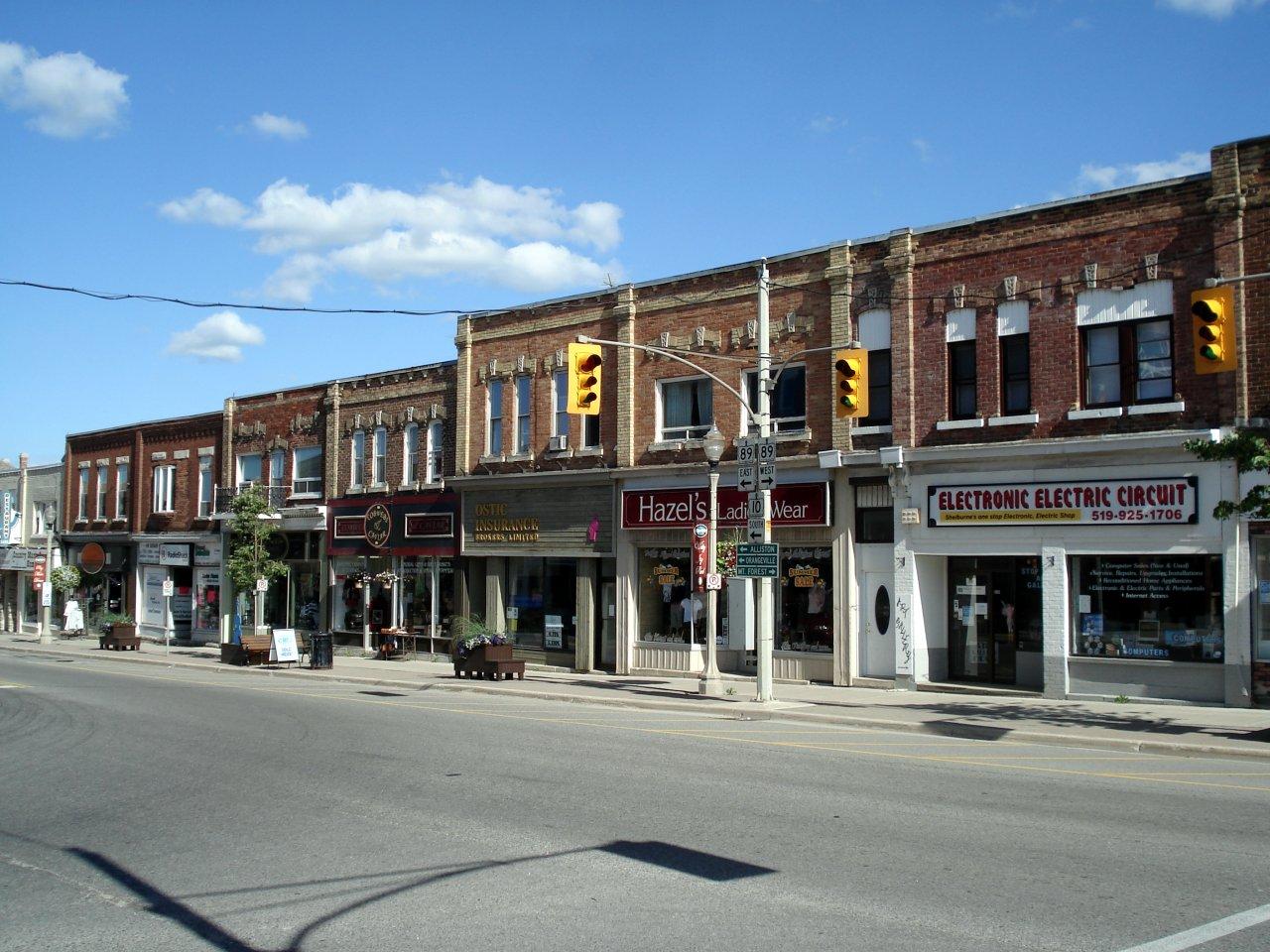
On employment land near County Road 11, I watched two bidders take different views. One underwrote an all at once service plan and demanded a high discount rate to compensate for risk. The other worked with the town, staged a modular servicing approach, and structured their equity to fund early works. The appraiser who priced the land for the vendor did not anoint one model as correct. He ran both, reconciled based on the town’s capital plan and known tender timelines, and clearly framed the probability weighted value. The vendor captured a stronger price by packaging the appraisal and supporting reports for bidders who could see the path to value.
Professional commercial land appraisers in Dufferin County will often use a subdivision residual or a hypothetical development approach to land that sits at the edge of an employment area. They will test multiple exit values for serviced lots, factor development charges, hard and soft costs, and then select an absorption schedule that echoes local demand, not a generic provincial curve. When they present the reconciled value, they will tie it back to market evidence like recent lot sales in Orangeville’s industrial parks or commitments from adjacent users.
Financing, lending perception, and the art of the narrative
Bankers and private lenders do not lend against spreadsheets alone. They want to know who the tenants are, how the building or land fits the broader employment map, and whether the valuation is resilient. A concise, defensible report prepared by a firm known to Dufferin lenders can improve leverage by small but meaningful increments. On a 6 million dollar loan, half a point of interest rate or a tighter debt service coverage requirement adds up over five years.
Lenders, particularly those not stationed in the County, also lean on the appraiser to explain local quirks. For example, a zoning label in Mono may accommodate a use that the same label in Shelburne does not. Setbacks along the Escarpment can shrink developable area far more than a quick site sketch suggests. If your appraiser spells this out, the underwriter spends less time inventing risk premiums.
Valuation and MPAC assessments are not the same thing
Clients sometimes ask whether a commercial property assessment in Dufferin County by MPAC can substitute for a professional appraisal. It cannot. MPAC’s Assessment Act mandate is to derive current value assessments for taxation based on mass appraisal models. Your lender, partner, or court does not accept MPAC in place of a point-in-time narrative valuation that tests the three approaches, inspects the property, and underwrites specific leases and conditions.
That said, capable appraisers know how to use MPAC data as one of many inputs. They also know how to support a property tax appeal with market evidence if the assessed value diverges sharply from market value. I have seen owners reclaim five figures in tax overpayments after a well supported appeal reframed obsolescence or corrected floor area and use codes.
Environmental and agricultural edges that change the math
Dufferin has a strong agricultural base. That is an asset, but it brings valuation wrinkles. On a piece of future employment land that is still in crop, Minimum Distance Separation from active barns can limit building envelopes for a period, even after zoning. An appraiser with rural experience will pick that up, consult the MDS calculation, and adjust the timing and density assumptions accordingly.
On brownfields, the cost to achieve a Record of Site Condition can run from tens to hundreds of thousands of dollars. If the contaminant of concern is in groundwater and regional flow is toward a sensitive receptor, remediation complexity rises and timelines extend. Lenders scrutinize this closely. A seasoned commercial appraiser will not paper over the risk. They will value as is, possibly with an extraordinary assumption for a cleanup plan only if the plan is credible, funded, and supported by a qualified environmental consultant.
Construction cost whiplash, depreciation, and the cost approach
Over the last several years, construction costs have fluctuated with labour tightness, supply chain hiccups, and material spikes. In a cost approach, a lazy application of a national average can break a valuation. Appraisers serving Dufferin should triangulate with local contractors, recent tenders, and cost manuals, then tailor for height, slab thickness, office buildouts, and sitework. A 28 foot clear industrial shell with modest office and shallow utilities on sandy soils prices differently than a 32 foot clear building with heavy power, deep services, and extensive stormwater works on clay.
Functional and external obsolescence deserve attention too. A warehouse built with low clear height can suffer a value penalty that grows as tenant expectations rise. A building hemmed in by a curb cut that cannot accommodate standard truck turning radii carries a permanent handicap. The cost approach, when carefully executed, surfaces these penalties and cross checks them against income and comparable evidence.
How to work with your appraiser to extract value
Owners who treat the appraisal as a collaborative analysis get more out of it than those who hand over a rent roll and wait for a PDF. Share your objectives. If you plan to refinance in nine months after a series of renewals, say so. Ask the appraiser to model the in place scenario and a stabilized view once renewals are documented.
A quick process that maintains fairness and keeps everyone on track looks like this:
- Scope the assignment together, identify intended uses, and agree on assumptions that need explicit testing.
- Provide complete data early, including leases, amendments, operating statements, Phase I ESA, surveys, and any site plans.
- Walk the site with the appraiser and point out elements that do not show on drawings, like encroachments or ad hoc yard storage.
- Review a draft value range and key drivers before the full narrative is finalized.
- Keep the finalized report handy when negotiating financing or responding to lender review notes.
When the final report arrives, the number is not the only deliverable. The way the appraiser explains why the value is what it is becomes your script with buyers, lenders, and partners.
Case notes from the field
A mid sized manufacturer in Orangeville owned a 65,000 square foot building on 4.5 acres. They wanted to borrow against it to fund automation. Initial broker feedback suggested a conservative valuation on account of short remaining lease term. The twist, of course, was that the owner occupied the building. A commercial building appraiser familiar with the area completed an income approach using market rent for comparable owner occupied sales with sale leaseback structures, overlaid a cost approach that reflected recent tilt up construction costs, and reconciled at a figure roughly 8 percent higher than the broker’s quick take. That extra headroom supported better loan proceeds and lower covenants because the narrative fit the market.
In Shelburne, a developer with a 12 acre employment land parcel struggled to price it. A first appraisal treated it as if the storm pond would be cost shared across a larger area. The town had no such plan. A second appraiser verified servicing assumptions, priced the pond on site, and adjusted net developable acreage accordingly. It changed the math more than anyone liked, but it also prevented a deal built on fantasy. Six months later, the same parcel traded at a number that matched the sober valuation once the vendor offered a credit for offsite works already in motion.
The role of comparable evidence when data are thin
Dufferin does not have a weekly churn of commercial trades. That does not excuse weak comparable selection. It means the appraiser must search wider without stretching logic. Orangeville industrial comparables can inform Shelburne values with careful adjustment for access, tenant base, and servicing. Caledon or Alliston sales can serve as reference points only after the appraiser walks through differences in commuter patterns, tax rates, and development charges.
Credible reports detail the adjustments and, importantly, admit uncertainty. When evidence is thin, a wider value range is justified, and the reconciliation should read like a professional’s internal debate, not a forced march to a single figure.
Commercial appraisal companies and the long game
Good commercial appraisal companies in Dufferin County do more than deliver one off reports. They become part of an owner’s cadence. Annual or biennial updates support financing strategies, set reserve targets, and inform capital improvements. When the same firm follows your asset over time, they build institutional memory that pays off during a sale or refinance. They know why an earlier value was high or low, what changed, and which lender questions are already solved.
This is not a call to marry one firm forever. It is a case for continuity where it serves you, and for maintaining a bench of at least two professionals who know your assets and your market. That redundancy protects timelines and keeps everyone sharp.
Bringing it all together for Dufferin County investors and owners
Return on investment improves when uncertainty shrinks, time compresses, and capital is priced fairly. Professional commercial land appraisers in Dufferin County help on all three axes. They ground your numbers in local reality, uncover hidden costs or advantages before you commit, and present a clean, defensible story to the people who price your money.
If you buy or build in Orangeville, Shelburne, or the rural townships without that level of diligence, you are working harder than you need to for thinner returns than you could achieve. The market is not hostile, it is particular. Bring in commercial building appraisers who live in those particulars. Ask them to show their work. Use their findings to challenge your own assumptions. When the valuation reflects what the property is and what it can become, the rest of the deal often falls into place.