Multifamily and Mixed-Use: Commercial Real Estate Appraisal in Oxford County
Oxford County sits at the hinge of Southwestern Ontario’s manufacturing belt and its agricultural heartland. The Highway 401 spine clips the county, pulling logistics, suppliers, and service businesses into Woodstock, Ingersoll, and Tillsonburg. At the same time, heritage main streets and small-town patterns anchor mixed-use buildings that have seen every retail cycle from catalog counters to click-and-collect. For an appraiser, this variety is not a footnote. It is the assignment.
When a lender, court, or investor asks for a value opinion here, they need an appraisal that understands Toyota’s footprint in Woodstock, the BrightDrop transition at GM CAMI in Ingersoll, the pull of London and Kitchener, and the pressure that supply-constrained housing places on small multiplexes above streetfront shops. The shape of demand, the quirks of zoning, and even the tenant culture vary block by block. That is the real work behind a commercial property appraisal in Oxford County.
What lenders and investors actually want from an appraisal
There is a reason people ask for a commercial real estate appraisal in Oxford County instead of a generic “opinion of value.” Lenders are underwriting risk. Buyers are calibrating return and downside. Municipalities and courts need a defensible basis for taxation, expropriation, or dispute resolution. Each party looks for reliability, but what they test differs:
- Banks test for income stability, enforceability of leases, and the plausibility of the cap rate and vacancy assumptions in the context of Oxford County rather than Toronto or Kitchener.
- Buyers test how the pro forma interacts with rent control, turnover risk, and realistic renovation timelines with local trades.
- Owner-operators test feasibility, not just value. Can a ground floor be re-tenanted if a long-time barber or diner retires, or does the market want service retail that pays less per square foot but turns inventory faster?
If a report does not connect those threads to the subject’s micro-market, it may be technically correct and practically useless.
The fabric of the Oxford County market
Multifamily demand has outpaced new supply for years. Rents rose sharply from 2019 to 2023, then leveled as new builds in Woodstock and Tillsonburg added units and tenant budgets met interest rate reality. Class B walk-up apartments in Woodstock commonly trade at cap rates in the mid-4s to low-5s in low-vacancy pockets, drifting to the mid-5s to 6 range once you step into smaller townships or into assets with deferred maintenance. If a building is regulated by the Residential Tenancies Act, the pace of rent growth depends heavily on turnover and the legal strategy around above-guideline increases. Cap rates alone do not tell that story, so a credible appraisal ties rate selection to the subject’s suite mix, in-place rents compared to market, and the observed turnover velocity.
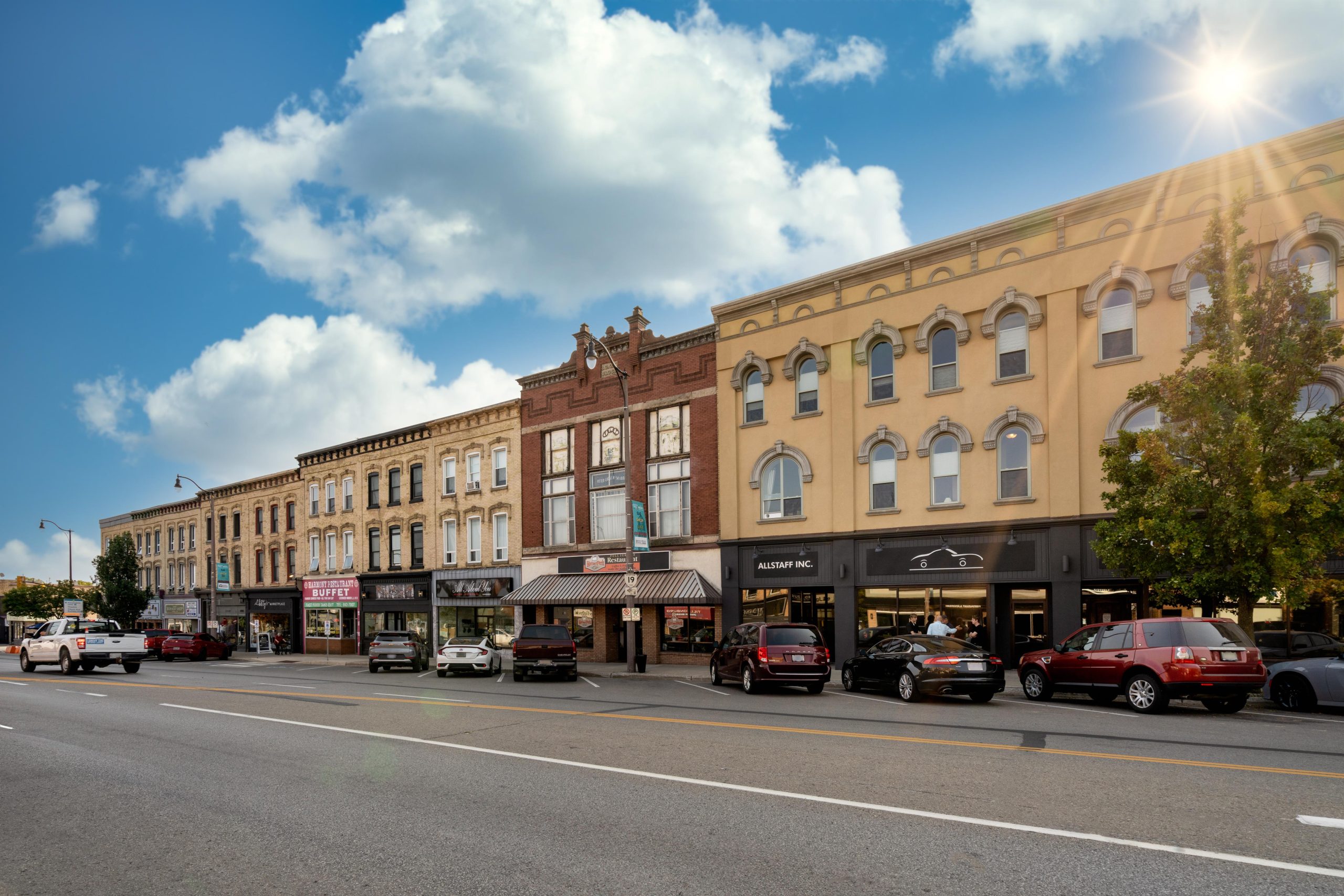
Mixed-use tells a more textured story. Tavistock, Norwich, and downtown Tillsonburg have main street properties with ground-floor retail or service uses and one to three floors of apartments above. Ground-floor tenants often pay lower base rents but contribute steady foot traffic and local identity. The residential upstairs provides the ballast. In a well-run building, the upstairs NOI carries most of the value, and the streetfront is the upside or the headache, depending on tenant quality, lease structure, and the municipality’s stance on parking and accessibility.
Industrial and logistics have expanded near 401 interchanges, but the small-bay stock inside towns often serves trades and last-mile needs. Where mixed-use meets light industrial at the edge of town, zoning transitions matter. A buyer with plans to convert warehouse space to residential is often chasing a mirage if the official plan and servicing simply do not support it.
Appraisal approaches that work here
All three classical approaches carry weight, but not equally on every property.
The income approach is the backbone for stabilized multifamily and mixed-use. Direct capitalization is common when income is stable and leases are typical for the area. A discounted cash flow can be helpful when a rent repositioning plan is credible, but DCFs tempt people into wishful thinking. In apartments, a turnover assumption from 15 to 25 percent can swing the reversionary rent capture over a 5-year hold. In a small town where tenants put down roots, a 25 percent turnover may be fantasy. In a student or workforce pocket near a major employer, it may be conservative.
Sales comparison supports the income approach by showing how investors actually priced risk last quarter. Finding true comparables in Oxford County means resisting the urge to borrow cap rates from Waterloo or Hamilton without adjustment. A Woodstock 12-plex with electric baseboard heat and surface parking behaves differently than a Kitchener mid-rise with elevators and structured parking. An appraiser should adjust for utility responsibility, suite size, local employer mix, and parking, not just gross income multipliers.
The cost approach earns its keep in two cases: newer mixed-use construction where retail buildouts are bespoke and for older buildings where the land value and replacement cost set a floor. In many heritage main streets, functional obsolescence is real. Building codes, accessibility, and egress can make a literal replacement unrealistic. A modified cost approach, where reproduction cost is heavily adjusted for functional items and locational depreciation, often reads truer than an off-the-shelf Marshall figure.
The nuance of mixed-use allocation
Banks often ask for a clear allocation of value between the commercial unit and the residential above. That is understandable for underwriting and insurance. The trap is to over-allocate to the retail frontage because it commands the attention. In Oxford County’s small towns, the residential NOI often exceeds the retail NOI by a wide margin, particularly if the retail tenant is a low-margin local operator on a gross or semi-gross lease.
I handled a file in downtown Tillsonburg where the streetfront was a long-standing family bakery paying below-market rent. Investors touring the asset were drawn to the storefront’s charisma, but the numbers told a different story. The six apartments upstairs, moderately renovated with in-suite laundry, carried 70 percent of the value under the income approach. The bank wanted a conservative take on the bakery’s renewal at expiry. We modeled a gradual move toward net terms, recognized realistic tenant retention given local goodwill, and still found that any softening on the ground floor barely dented concluded value because residential demand had real depth.
Data and verification in a thin-trade environment
Transactions in Oxford County do not flow every week for every property type, and some deals are private. You can fill the gap with secondary sources or you can wear out your phone battery. I do more of the latter.
Verifying rent rolls with property managers, calling brokers who ran the listings, and walking the blocks helps separate hearsay from data. For a Norwich mixed-use property, the reported rents for the top-floor units looked high compared to typical two-bedroom suites in the area. A quick exterior site visit explained it. The building had oversized suites with dormers, ductless AC, and dedicated rear parking, which is rare on that strip. The rents made sense, and so did a below-average turnover.
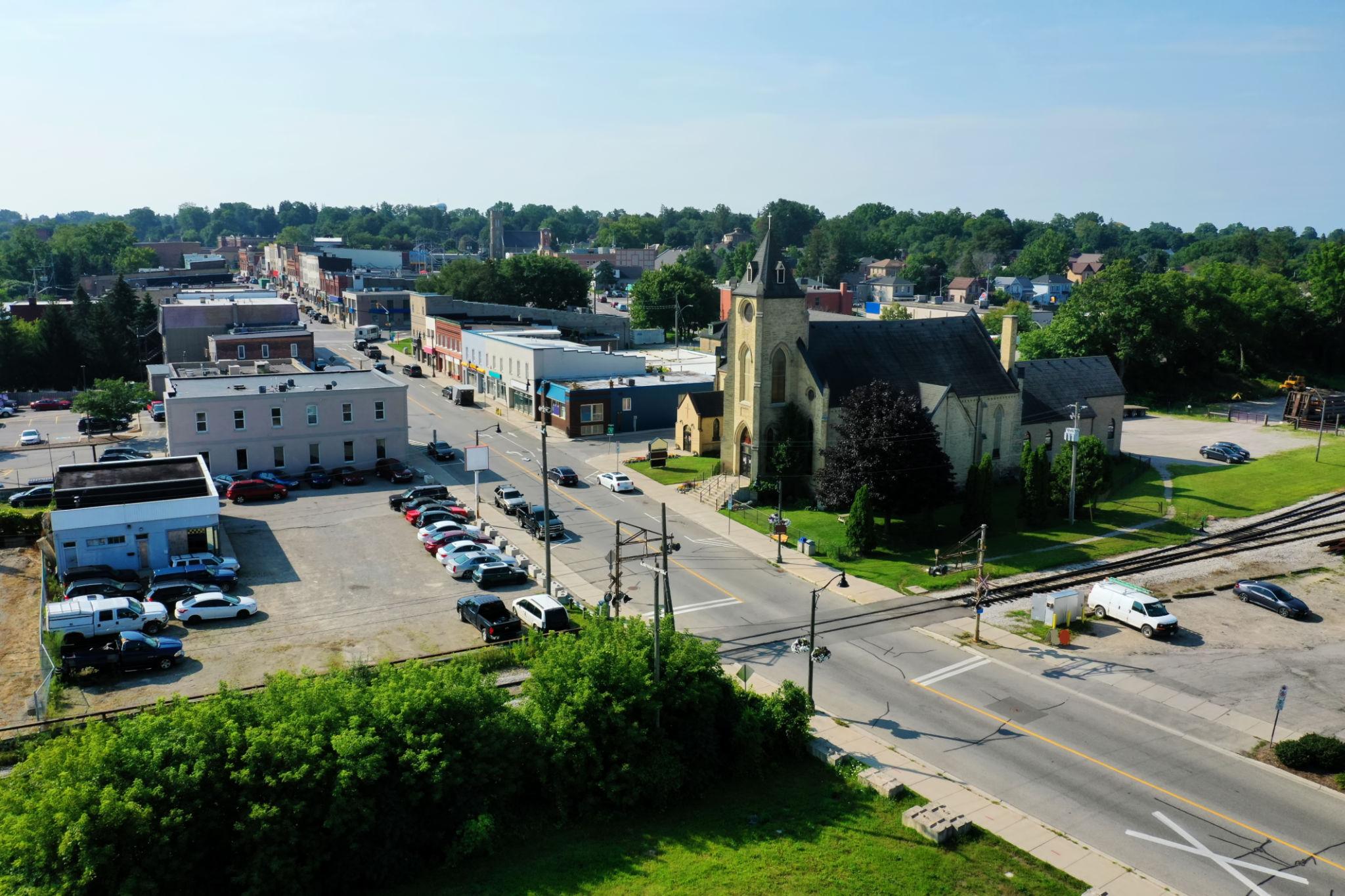
The best checks are sometimes the simple ones. Study the mailbox count, the hydro meters, the trash area, and the wear pattern on stairs. If the maintenance log claims monthly common area cleaning and the stairwell is dusty with spider webs, either the log is fiction or the cleaner is. In either case, set expenses accordingly.
Cap rates, yields, and what moves them
Investors in Oxford County watch interest rates and construction costs like everyone else, but local factors tug at cap rates too. Employer stability at Toyota and the supply chain around BrightDrop add ballast. Town councils that are predictable about site plan control and parking variances draw small developers who supply gentle density. A cluster of renovated multiplexes can compress cap rates on one or two blocks more than broad county data suggests.
For mixed-use, the depth of alternative tenancy matters. If a chiropractor leaves a 1,200 square foot unit on a main street with solid pedestrian traffic and nearby civic uses, backfilling at a modest tenant improvement allowance is likely. If the subject sits on a secondary street that lost its anchor tenant years ago, your downtime and inducement assumptions need to stretch. Cap rates 50 to 100 basis points wider than similar assets on the main drag can be justified.
Highest and best use, not wishful and best case
Oxford County’s official plan and lower-tier zoning will reward or punish assumptions quickly. If the property is in Woodstock’s heritage district, façade work may be encouraged, but structural changes and window replacements can trigger design scrutiny. If the lot coverage is already non-conforming in a small downtown parcel, an extra stair tower for a third unit might be a hill you cannot climb.
I have seen pro formas that expect three more apartments above a retail unit in a building that already maxes egress and lacks lane access for parking. On paper, the yield looks terrific. In reality, the approvals path, code constraints, and construction staging on a zero-lot-line building tip the project into negative territory. The appraisal has to reflect the use that is legally permissible, physically possible, financially feasible, and maximally productive. Anything else is a brochure.
Environmental, building systems, and the quiet killers of value
Dry cleaners, service garages, and older fueling sites can leave a legacy that follows a property through generations. In a mixed-use building on a corner that once had a spur line and grain elevator, I wanted Phase I environmental diligence even before the lender asked. Oxford County has plenty of clean sites, but the agricultural and light industrial past leaves pockets where subsurface risk is non-trivial. A costly surprise can erase all of your optimistic income modeling.
Building systems age quietly until they do not. In small-town walk-ups with electric baseboard heat and no central cooling, tenants are shoulder-season comfortable and summer-irritable. That affects turnover. Plumbing stacks in century buildings with partial upgrades create hidden expense spikes that average line items do not cover. When an owner shows flat repairs and maintenance for three years on a 100-year-old structure, I do not take it at face value. I adjust to a market-consistent reserve and note the risk.
How commercial appraisal services look different across the county
A commercial appraiser in Oxford County does not drop the same template in Woodstock and Zorra. Each assignment asks for different weightings.
Woodstock sees more multifamily sales with financing-oriented purchasers who tolerate tighter yields in exchange for depth and liquidity. You can lean on a richer comp set, but you must parse which sales were value-add plays mid-renovation and which were truly stabilized.
Ingersoll’s market swings with plant schedules, commuting patterns, and spec industrial activity. Apartment buildings filled with shift workers can experience punctual rent payment and higher unit wear. That combination pushes you toward a slightly higher annual repair allowance and a candid look at tenant screening practices.
Tillsonburg has quietly built a base of retirees and commuters. Demand for smaller, well-finished suites near services is strong. Ground-floor tenants skew toward health, personal care, and professional services. The rent roll risk profile is different from a corridor town with heavier logistics traffic. Vacancy assumptions should reflect that.
The townships house value, but trade slowly. A mixed-use building in Norwich might have only one sale nearby in two years. You build your rate story from a wider geographic net, then adjust for tenant depth, travel patterns, and owner-occupier influence. That is a judgment call, and your report should show the steps clearly.
Two vignettes from the field
A Woodstock twelve-plex off Dundas Street traded privately with only a whisper of marketing. The buyer aimed to renovate kitchens and baths as units turned over, targeting a 20 percent rent lift on average over three years. The pro forma assumed a turnover of 25 percent annually. I pulled property manager data from two comparable buildings on the same block and three more within a ten-minute walk. The five-year average turnover was closer to 14 percent, with spikes during COVID-affected years tapering down. I modeled the reposition on a 15 to 18 percent turnover instead. The value came in lower than the buyer wanted, but the lender later told me the stress test on debt coverage stood up to rising rates because expectations were grounded.
In downtown Norwich, a two-storey brick with a pharmacy on the ground floor and two large apartments above had an apparent vacancy risk at the pharmacy’s renewal. The owner believed a franchise convenience store would pay more if the pharmacy left. A rent comparison showed that convenience stores did pay a tick more per square foot in nearby towns, but they also demanded larger tenant improvement packages and sometimes free rent. The pharmacy, by contrast, had predictable hours, low noise, and community goodwill that supported the upstairs rents. After modeling market downtime and inducements, the current pharmacy at a slightly rolled rent beat the hypothetical convenience store on a net basis. The appraisal reflected that and the owner decided to keep the pharmacy, negotiating a modest rent bump in exchange for a new HVAC split.
Common pitfalls owners and buyers can avoid
- Treating main street retail as if it were power centre retail on rent and inducements.
- Assuming turnover rates that are imported from big-city submarkets and do not match local tenant behavior.
- Ignoring code and egress constraints in older buildings when penciling additional units.
- Underestimating reserve requirements on century structures with partial upgrades.
- Borrowing cap rates from Waterloo or London without local adjustments for tenant depth, downtime, and incentives.
What to prepare before you call for a commercial appraisal
- A current rent roll with suite types, in-place rents, lease terms, and any incentives or arrears.
- The last two years of operating statements, broken out by line item, plus utility responsibility by unit.
- Copies of commercial leases, including renewal options, assignment clauses, and expense recoveries.
- A summary of capital work over the last five years with invoices, and any upcoming projects.
- Zoning confirmation or prior planning correspondence, especially for mixed-use or legal non-conforming elements.
Providing this early does not just speed the process. It sharpens the conclusion and reduces the range of value, which matters for financing and negotiations.
On rent control, turnover, and the math behind the story
The Residential Tenancies Act caps rent increases on sitting tenants, with exemptions for some new construction. In stabilized older buildings, the only path to market rent is turnover or a justified above-guideline increase. That makes the annual probability of turnover the lever. A 10 percent probability means a unit, on average, resets every ten years. A 20 percent probability halves that time. Apply that across a 24-unit building and the timeline to rebase NOI is the difference between acceptable and thin debt service.
Appraisers sometimes smooth this with a blanket “market rent within three years” line. In Oxford County’s small towns, tenant tenure can stretch longer, especially in larger units occupied by families. On the flip side, small bachelor and one-bedroom suites near employers with rotating shifts can see more frequent moves. The point is not that one number is right. It is that the number must be specific to the subject, and the report should show why.
Construction costs and what they imply for existing stock
Replacement cost has climbed steeply since 2020, moderated by improved supply chains but still elevated. For a mixed-use building, commercial fit-outs complicate the picture. A basic white-box for a 1,000 square foot retail space may be straightforward, but medical or food uses add mechanical and compliance costs that spike quickly. If your valuation leans on a cost approach, be candid about functional obsolescence. Many heritage structures cannot be replaced like-for-like without compromising unit counts or layouts due to today’s code.
This has a second-order effect. Elevated new-build costs bolster the value floor for existing buildings, even if they carry some functional quirks. A buyer deciding between extensive gut-renovations and ground-up development often opts to preserve shell and structure, improve systems, and reset rents over time. The appraisal should mirror that reality when discussing highest and best use and feasibility.
When a sales comparison is thin, what then
Some assignments present three workable comparables in the entire county over 18 months, each with caveats. One is a vendor-take-back at a favourable rate. Another has a partially completed reposition. The third traded under duress. You can still anchor a value if you disclose the adjustments, widen your search judiciously to adjacent markets, and tie each step back to the subject’s income, costs, and risk profile.
I often bracket the subject with a tighter-yield urban comparable and a wider-yield rural one, then describe why the subject sits closer to one end. If the subject has above-average tenant depth and proven re-leasing velocity, it deserves a rate nearer the urban comparable. If its tenancy is thin and the street is transitional, push it toward the rural marker. This is not guesswork. It is judgment, and it must be documented.
Appraisal as a decision tool, not a stamp
A well-prepared commercial appraisal in Oxford County does more than fix a number in time. It gives the reader a way to test scenarios. What happens if upstairs vacancy pushes from 2 percent to 5 percent for a year, then normalizes? How sensitive is value to a 50 basis point cap rate move? Does a tenant improvement allowance equal to eight months of rent on the retail unit materially change debt coverage?
When clients treat the report as a static answer, they miss its real usefulness. When they use it as a calibrated decision tool, they negotiate better, stage renovations in the right order, and avoid paying for upside that never arrives.
A word on assessments, taxes, and market value
MPAC assessments influence property taxes but are not market value. In some cases, assessed values trail reality by years. An appraisal can help an owner understand where assessed value stands relative to market, but do not confuse one with the other. For underwriting and transactions, it is the market value under CUSPAP or a lender’s required standard that drives decisions.
Choosing an appraiser and setting scope
Not every assignment needs the same depth. A desktop appraisal for internal decision-making might be appropriate when the owner has excellent data and the risk is low. A full narrative report with interior inspection, lease abstracting, and extensive market interviews makes sense for financing a mixed-use portfolio or resolving a partnership dispute. An experienced commercial appraiser in Oxford County will recommend a scope that fits the risk and answer, not just sell the most expensive option.
Ask how the appraiser sources comparables in thin markets, how they handle turnover modeling under rent control, and how they allocate value between commercial and residential components. If they have worked with lenders active in the county and can speak to their underwriting preferences, that is a plus. You are buying method and judgment, not just pages.
The through line
Whether you own a four-plex https://pastelink.net/gda1r7ba over a bakery in Tillsonburg or a 20-unit walk-up near Dundas Street in Woodstock, value in Oxford County starts with the same core: income that makes sense for the local tenant base, expenses that reflect the realities of older buildings, and risk that is priced with a view to nearby trades, not distant cities. Ground it in verified data, respect zoning and building constraints, and show your work on cap rates and turnover. With that, a commercial appraisal in Oxford County becomes more than a requirement. It becomes a reliable map for the road ahead.

Owners who prepare solid documents, buyers who ask the right questions, and lenders who insist on local context get better outcomes. That is the quiet advantage of disciplined commercial appraisal services in Oxford County, applied to the properties that knit its towns together.