Preparing for a Commercial Building Appraisal in Perth County: Checklist for Owners
Commercial owners in Perth County approach appraisals for different reasons, but the stakes are similar. A defensible value can affect financing terms, estate planning, share redemptions, listing strategies, and negotiations with partners or buyers. Lenders lean on an independent opinion of value, lawyers need a clear record of assumptions, and buyers want confidence that the numbers hold up under scrutiny. Preparing well saves time, reduces follow up questions, and often results in a clearer, stronger report.
This guide distills what commercial building appraisers in Perth County look for, what slows down an assignment, and how to set yourself up for the best outcome. It leans on experience with retail plazas in Stratford, light industrial in Listowel, main street mixed use, small offices in St. Marys, hospitality near theatres, and service commercial along county roads. The principles carry across uses, but the examples are local.
What an appraiser is actually trying to answer
An appraisal is not a building inspection and not a municipal assessment. It is an informed, documented opinion of market value as of a specific date, based on the highest and best use of the property. In Perth County markets, appraisers typically develop three approaches, then reconcile:
-
Income approach. For leased properties, appraisers analyze contract rents, market rents, vacancy, and expenses to derive a capitalization rate or a discounted cash flow. A multi tenant retail plaza on Huron Street in Stratford will be considered differently from an owner occupied shop in Mitchell. Expect questions about lease escalations, recoveries, and capital expenditures over the last 24 to 36 months.
-
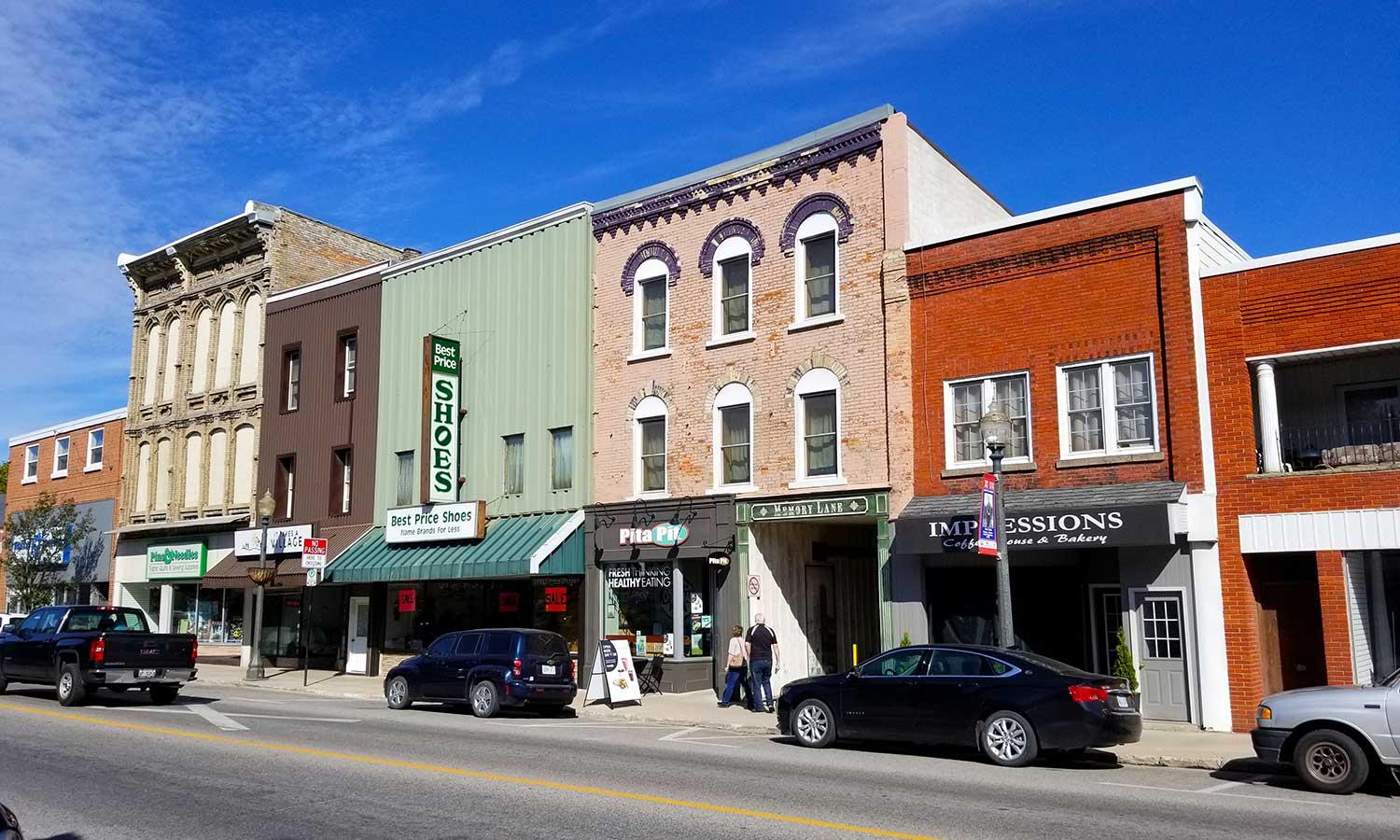
Direct comparison approach. The appraiser looks for recent sales of comparable properties within Perth County and, when data is thin, in adjacent markets with similar demand drivers such as Woodstock, St. Thomas, or Guelph’s fringe. They adjust for size, age, location, tenant quality, and condition. In a smaller market, getting good sale evidence is half the battle.
-
Cost approach. Most relevant for special purpose buildings or very new construction. The appraiser estimates replacement cost new, then deducts for physical, functional, and external obsolescence. For a newer shop with clear heights and oversized power, this approach is a useful test. For a century brick storefront, it often plays a secondary role.
If you are commissioning a commercial building appraisal in Perth County, ask early which approaches will be developed and why. A bank lending against a single tenant industrial with a long lease may rely heavily on the income approach and a yield derived from regional data, while a boutique owner occupied building with no recent leases will see greater weight on direct comparison.
Local nuances that change value
Unlike assessments prepared by MPAC, which group properties for taxation, an appraisal is property specific. Context matters.
-
Tenant mix and demand depth. A plaza anchored by a national pharmacy or grocery in Stratford commands different investor attention than a rural strip reliant on seasonal tenants. Appraisers gauge depth of demand by looking at lease up times and rent spreads between new and renewal deals. If you can demonstrate consistent backfilling within 90 to 120 days, that influences the stabilized vacancy assumption.
-
Access and exposure. Traffic counts on key corridors like Ontario Street or Highway 8 are measurable, but in smaller markets buyer perception can tilt value more. A site with two access points, a turning lane, and a clean sightline will rent and sell faster than one constrained by a shared driveway or limited parking.
-
Functional fit. Industrial buyers in Listowel often ask for 16 to 24 foot clear heights, decent loading, and three phase power. A building topping at 12 feet with small columns will draw a different buyer profile and cap rate. For office, natural light and flexible floor plates matter more than lavish finishes.
-
Condition and compliance. Fire code, electrical, and life safety compliance are not negotiable with lenders. An outstanding order can stall financing for weeks. Perth County municipalities are generally cooperative if you are proactive, but appraisers will note any open work orders and factor risk into their reconciliation.
-
Rural servicing. Wells and septic systems introduce variables. Lenders and buyers will ask for recent pump outs, water potability tests, and system age. If a site has capacity constraints for redevelopment, the highest and best use discussion changes.
Timing, scope, and independence
Commercial appraisal companies in Perth County tend to work across Southwestern Ontario, and the best ones are busy. Lead times run from 10 business days for a standard assignment to 4 weeks or more if the scope is complex or if development land is involved. If your lender is ordering the report, that adds process. Federally regulated lenders must order through their approved network to protect independence. That does not stop you from preparing well, and it pays to coordinate your document package so it is ready when the appraiser calls.
For development or commercial land appraisals in Perth County, count on additional steps. Highest and best use analysis may require discussions with planning staff, a look at the County Official Plan and local zoning by laws, and a review of servicing capacity and road improvements. Land value turns on density, absorption, and timing to approvals. If the site has a record of site condition or a Phase I ESA with recommendations, have them on hand.
A practical owner’s checklist
Use this as a working list in the week or two before engagement. It covers what most commercial building appraisers in Perth County request and the points that trigger follow up emails if you do not have them ready.
-
Current rent roll and lease abstracts. Include tenant names, suite sizes, start and expiry dates, base rent, step ups, options, and all additional rent recoveries. Attach full leases and amendments if the appraiser is working for a lender.
-
Operating statements. Provide trailing 12 months with a breakout of recoverable expenses and non recoverables, plus the prior full fiscal year. Identify one time items such as a $40,000 roof section replacement or legal fees tied to a vacancy dispute.
-
Building and site documents. Recent surveys, site plans, floor plans, building permits for major work, fire safety plans, and any open orders. If there is a Phase I environmental site assessment or a well and septic report, include it.
-
Taxes and assessments. MPAC assessment notice, most recent final tax bill, and any appeals or ARB decisions. Appraisers do not adopt MPAC value, but they use the tax details to calculate net operating income accurately.
-
Notes on operations. Vacancy history, typical lease up time, tenant inducements you have offered, deferred maintenance items, and capital improvements over the last 5 years with approximate costs.
Keep file names clear and use a single folder. If you manage multiple properties, label each document with the specific civic address. Appraisers spend hours reconciling mismatched data. Make it easy, and that time goes into analysis instead.
Preparing the property for inspection
The inspection is part measurement check, part condition review, and part fact finding. You do not need a showroom shine, but you do want functionality obvious and hazards addressed. If the building has locked electrical rooms, roof access through a hatch, or mezzanines, line up keys and safe access.
A few details change impressions. A clear fire panel, current extinguishers, and unobstructed exits go a long way. If the parking lot has frost heaves or potholes, the appraiser will note it. They will also look at roof age and type. In Perth County, it is common to see older BUR roofs patched alongside newer TPO sections, with useful life estimates ranging from 5 to 20 years. If you completed work recently, share invoices or contractor letters, even if you self performed part of the job. It helps separate maintenance from capital items in the analysis.
For mixed use or multi tenant properties, consider a short tenant notice. It keeps the inspection efficient and reduces awkward hallway conversations. You do not need to disclose value expectations, only that an appraisal is scheduled for financing, estate, or accounting purposes.
The numbers behind the value: cap rates and rent support
Owners often ask for a cap rate number. In practice, the appraiser will not pick a cap rate in isolation. They will build up to it using market rent evidence, stabilized expenses, and flags for risk or growth.
In Perth County over the last few years, investors have underwritten:
-
Small town main street retail with residential above in the 6.25 to 7.75 percent range, depending on tenant quality and suite condition.
-
Newer light industrial with good loading in the 5.75 to 7 percent range, with premiums for longer leases and strong covenants.
-
Unanchored strips or dated retail with short terms closer to 7.5 to 9 percent.
-
Office varies widely. Owner occupied medical or professional buildings with stable demand can trade tighter, while commodity office without parking trades wider. The spread can be 150 to 250 basis points across examples.
These are not promises, they are observations. Appraisers doing a commercial property assessment in Perth County will test your actual numbers against this context. If your base rents are above market because of recent capital work, they will seek comparables that support it. If your additional rents are low because you have not trued up CAM in a few years, they will normalize the expenses.
A quick example helps. A 15,000 square foot retail plaza in Stratford has four tenants. Two are on net leases at 22 dollars base with 9.50 dollars in recoveries, one is at 18 dollars gross, and one is a short term pop up. Vacancy over five years has averaged one suite at a time, with two to four months between tenants. Roof sections were replaced in 2021 for 95,000 dollars. An appraiser will likely convert the gross lease to an equivalent net rent, set a stabilized vacancy and collection loss of perhaps 3 to 5 percent, deduct a non recoverable management allowance, and add a reserve for replacement. They will then consider a cap rate range, say 6.5 to 7.25 percent, and see where the reconciled direct comparison lands. If market sales of similar plazas are trading near 7 percent with slightly weaker tenants, the value will settle where the subject’s strengths justify it.
Highest and best use and the development question
Owners sometimes hope the appraisal will reflect redevelopment potential. It might, but only if the zoning, servicing, and market support align in a reasonably probable way. In Stratford and St. Marys, intensification near transit and established corridors is real, yet parking ratios, heritage overlays, and lot coverage limits still govern. A larger site with surplus land that could support an additional building may see its land value separated from the going concern of the improvements. Appraisers will label land as excess or surplus based on whether the extra area is required for the existing use. Documentation helps here: parking counts, shared access agreements, and site plan approvals frame what is possible.
For commercial land appraisers in Perth County, the key levers are density, timing, and risk. If the County has capacity constraints at a wastewater treatment plant, or if a road improvement is not funded, the value curve changes. A Phase I ESA that flags a historical use like a former automotive repair shop will not destroy value, but it will prompt either a Phase II or a discount to account for uncertainty.
Common pitfalls that slow an appraisal
Most delays trace back to missing data or fuzzy leases. A few repeat offenders:
-
Unclear expense recoveries. If your leases say tenants pay their proportionate share of operating costs but you exclude certain items, mark them clearly. Lenders are wary of unbudgeted capital getting pushed through CAM.
-
Informal rent deals. Verbal side agreements on rent abatements and free parking complicate underwriting. If you have granted temporary relief, state the period, the reason, and the end date.
-
Open work orders. Appraisers must disclose risks. An unresolved fire order will cause lenders to hold back funds or request proof of compliance.
-
Outdated surveys. Title insurers and lenders increasingly request current surveys for properties with expansions or encroachments. If your last survey predates a recent addition, plan for an update.
Appraisers are trained to handle imperfect information, but better inputs produce better outputs. Share what you have and flag what you do not. Candour usually works in your favour.
Day of inspection game plan
The best inspections are efficient and thorough. A simple plan keeps it on track.
-
Meet on site with keys, access cards, and a quick orientation map. Identify mechanical rooms, roof access, and any locked areas.
-
Provide a one page summary of recent capital work. Dates and rough costs are enough. Attach invoices later.

-
Walk representative suites. In multi tenant buildings, one typical unit per type or condition class gives the appraiser a fair picture without disrupting everyone.
-
Note any safety concerns upfront. If roof access is unsafe due to weather or equipment, suggest a follow up window or provide a recent contractor photo set.
-
Confirm photography permissions. Appraisers take photos for their work file. Tenants often accept it once they understand the purpose and see no personal items are captured.
Keep it cordial and factual. If you are tempted to tell the appraiser the number you want, resist. Share the facts and your plans instead. Plans matter, because a credible improvement schedule can shift the conversation on risk premiums and cap rates.
Special cases: owner occupied, partial vacancy, and strata
Owner occupied buildings require a different lens. The appraiser will estimate market rent for the space you occupy, then value the property as if leased to a typical user. That helps lenders and buyers understand the income characteristics independent of your current business. You can help by providing details on specialized buildouts, power, floor loading, and any features a typical user in the area would pay for. If your use is unusually heavy or light for the building type, expect adjustments for functional obsolescence or superior utility.
Partial vacancy is common. Show your leasing plan. If you can demonstrate that vacant suites have historically leased within 60 to 120 days at rents near your ask, that points to a stabilized vacancy closer to market norms. If the space has sat for a year, the appraiser will dig into why. Sometimes the answer is simple, like a suite with no dedicated HVAC or natural light. Naming the issue and proposing a fix can soften the hit.
Strata or condominium commercial units are a small but growing segment in the county. Values depend on exposure, parking, and the health of the condominium corporation. Budget, reserve fund status, and any special assessments matter. Have the latest status certificate ready.
Working with commercial appraisal companies in Perth County
If you are choosing among commercial appraisal companies in Perth County, ask pointed questions about experience with your asset type and municipality. A firm that regularly values light industrial in Listowel will have better rent comparables than one that mostly works on downtown Kitchener office. Clarify turnaround times, report format, and whether the assignment will comply with Canadian Uniform Standards of Professional Appraisal Practice. For financing, confirm that your lender accepts the firm. Some lenders have shortlists and will not rely on reports from outside those networks.
Fees vary by scope, urgency, and complexity. A standard stabilized income property may fall in a band, while development land, special purpose, or multi building portfolios cost more. Be wary of bargain quotes that omit essential analysis. A report that cannot stand up to lender or audit review costs more in the long run.
How municipal assessment fits into the picture
Owners sometimes conflate commercial building appraisal with commercial property assessment in Perth County. They are different tools. MPAC’s assessed value is used for property taxation and is based on mass appraisal techniques with a base valuation date. An independent appraisal is built at a point in time and tailored to the subject property’s income and physical realities. Appraisers will still ask for MPAC and tax bills because the taxes influence net operating income and because assessment details reveal property classification and any exemptions.
If your MPAC value seems out of step with your appraisal evidence, consult a property tax specialist. Appeals follow their own timelines and rules. An appraisal can be persuasive, but it must be translated into the assessment framework.
Environmental and building systems: what to provide and why
Environmental due diligence is not optional in many commercial transactions or financings. A current Phase I ESA, particularly if the property has a history of automotive, dry cleaning, or industrial uses, helps the appraiser understand risk. If a Phase I recommends intrusive testing and you have not done it, say so. The appraiser may apply a discount for uncertainty. If you have a clean Phase II or a record of site condition, share it. Wells, septic, and stormwater management also feature in rural or edge locations. Recent testing reports for water potability and septic function can remove question marks.
Mechanical systems carry weight. Age and capacity of rooftop units, boilers, and electrical service affect both operating expenses and buyer expectations. A simple spreadsheet with equipment type, size, and install dates is gold. If your last HVAC replacements were staggered, be honest. Buyers and lenders will expect an annual reserve to smooth replacements rather than a cliff in a single year.
Negotiating appraisals tied to financing
If your lender orders the appraisal, you will usually see it only after the bank’s credit review. That is normal. You can still prepare the same package and, with the appraiser’s permission, send documents directly to speed the process. If you believe the report missed material facts, compile them and ask the lender to forward to the appraiser for consideration. The best commercial building appraisers in Perth County are open to clarifications supported by documents. They are less receptive to arguments without evidence.
When time is tight, communicate early. If a refinancing depends on a value threshold, share that constraint with your financing team, not the appraiser. Your effort should go into tightening the income and expense story, clearing any lingering compliance issues, and documenting capital work.
After you receive the report
Read the assumptions and limiting conditions. Confirm the as is date, the approaches used, and any hypothetical conditions. If the report includes prospective value after specific improvements, check that the scope and costs align with your plans. File the rent roll, leases, and operating statements you provided together with the report. Six to twelve months later, update them. When the next financing or transaction comes up, you will thank yourself for the organized record.
If the value came in below expectations, analyze the drivers. Was it rent level, cap rate, vacancy, or a risk adjustment for condition or environmental uncertainty? Some variables you can influence, others you cannot. Raising net recoveries to market, addressing deferred maintenance, or formalizing side agreements can move the needle. Hoping the market will change is not a strategy.
A final word on readiness
Good preparation does not inflate value, it clarifies it. Appraisers reward clarity because markets reward it. The same package you build for an appraisal doubles as a sell side data room or a lender’s annual review binder. In Perth County’s practical markets, buildings that show their facts cleanly tend to sell and finance on better terms. Whether you engage commercial building appraisers in Perth County directly or work through your lender, control what you can control: your documents, https://gregorywzfm653.iamarrows.com/commercial-appraisal-services-perth-county-supporting-financing-and-refinancing your property’s condition, and your narrative about how it operates and why it works where it sits.