Redevelopment Potential: Commercial Real Estate Appraisal for Adaptive Reuse in Cambridge, Ontario
Adaptive reuse is rewriting the map of commercial property in Cambridge. You can see it in the brick-and-beam mills along the Grand River in Galt and Hespeler, the evolving main streets in Preston, and the way older industrial buildings near the 401 are attracting makers, tech back offices, and medical users. The bones are good, the cultural fabric is appealing, and the location gives owners a draw that pure greenfield sites cannot match.
Turning that potential into a bankable project starts with a sober view of value. A commercial real estate appraisal for an adaptive reuse assignment is not a quick scan of comparables. It is a layered analysis that blends planning realities, construction math, environmental risk, and market demand. I have seen projects win on thoughtful phasing and precise rent assumptions, and I have seen promising sites stall because the approvals pathway or remediation budget was underestimated. In Cambridge, where heritage overlays, tourism, and industry collide, the difference between a solid pro forma and wishful thinking is usually in the details.
What adaptive reuse looks like here
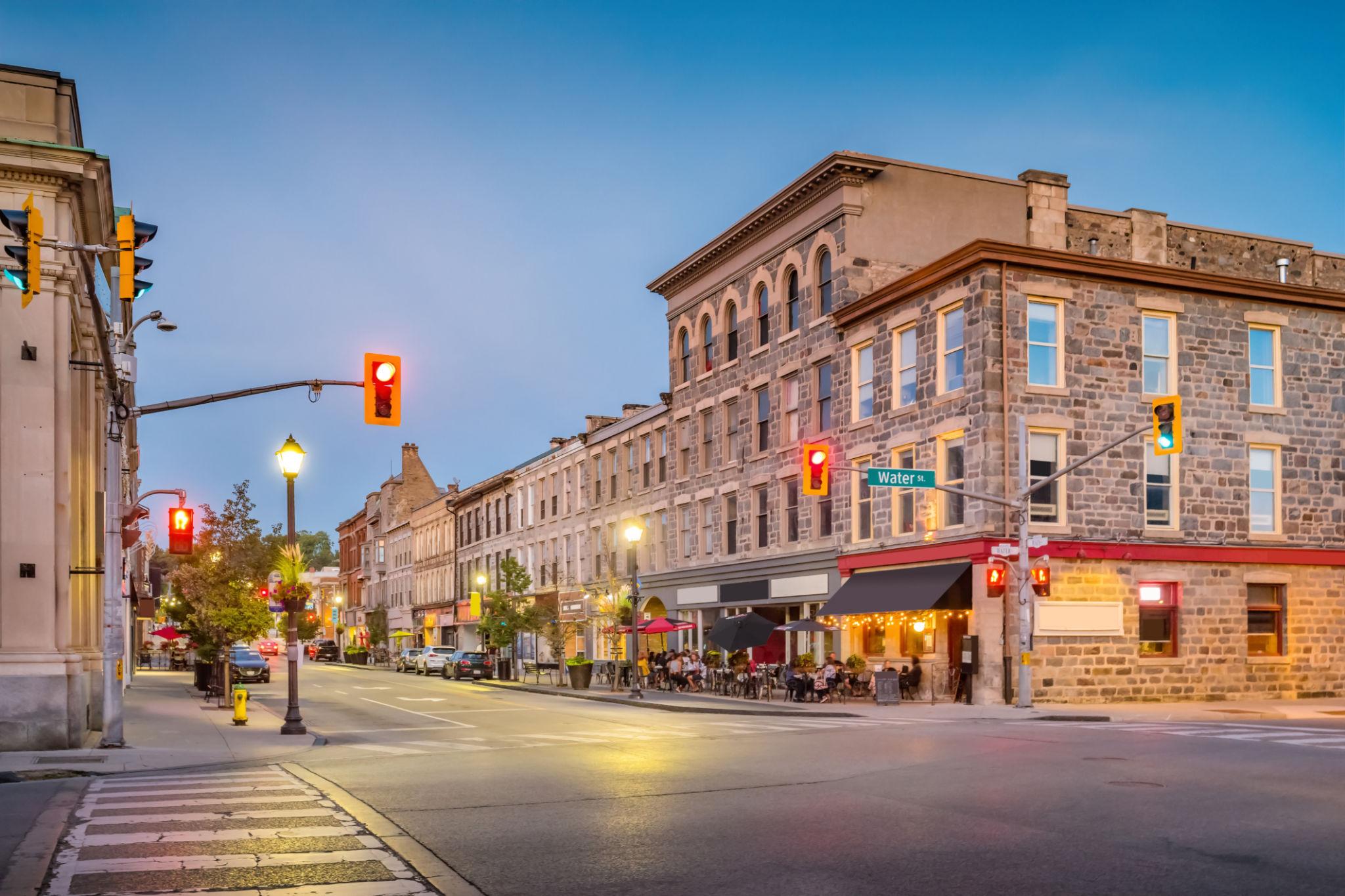
Cambridge’s three historic cores are distinct but connected. Galt’s riverfront draws foot traffic and food and beverage operators on evenings and weekends. Hespeler’s mill architecture has become an asset for boutique offices, creative studios, and residential lofts. Preston’s arterial corridors capture commuters and support service retail and medical uses. Around these cores, older single and multi tenant industrial sites, some from the 1960s to 1980s, sit close to the 401 and Highway 8, which suits logistics-light industrial, contractor showrooms, and flex office.
Successful reuse has taken different shapes:
- An 1890s mill in Hespeler that converted upper floors to small professional suites while keeping ground-floor retail. The project matched short, character-driven offices to local firms that value a distinct setting and easy parking. The cap rate compressed as stabilization became evident.
- A former warehouse near Pinebush Road that was split into two bays, each with upgraded power and sprinklers. One side went to a medical device assembler, the other to a fitness operator with noise and vibration isolation. The rent profile lifted compared to pure storage.
- A brick storefront on Main Street in Galt that retained facade heritage elements but modernized systems, creating a compliant shell for a restaurant tenant and gaining lease security through a longer term. The landlord funded a limited tenant improvement allowance and recovered it in the net rent.
None of these were turnkey. They needed accurate construction pricing, early input from the city, and a clear lane with lenders. All three hinged on an appraisal that could translate story into value, both as-is and as-if complete.
Why the appraisal drives decision making
An adaptive reuse appraisal needs to answer two questions. What is the property worth today, under current use and condition. And, conditional on a specific plan, what could it be worth when stabilized, and how does that compare to total project cost and risk. Most lenders in this space will order both values, and in many cases will also ask for a value upon completion but before stabilization, which catches the lease-up risk.
This is where a commercial appraiser in Cambridge Ontario earns their fee. The work blends the income approach based on achievable market rents, the cost to cure functional and physical obsolescence, and, sometimes, a land value backstop that frames the downside. A credible report distinguishes between extraordinary assumptions, such as receiving a minor variance, and hypothetical conditions, such as assuming completion of a particular design. The words matter to the credit committee.
The market in context
Cambridge does not move in a vacuum. It sits within the Kitchener Waterloo Cambridge region, tied economically to Waterloo’s tech ecosystem, Toyota’s operations in Cambridge and Woodstock, and Guelph’s food and agri-business base. The 401 corridor brings labour and suppliers within reach. On the demand side, several trends support reuse:
- Smaller professional firms are trading from commodity suburban offices into character space, accepting less efficient layouts in exchange for authenticity and walkable amenities.
- Medical and wellness tenants, from physiotherapy to diagnostics, need visible, accessible ground-floor units and are drawn to arterial corridors like King Street and Hespeler Road.
- Light industrial and flex users want clear heights of 14 to 22 feet, upgraded power, and clean loading, often paying a premium for locations that cut travel time to the 401.
- Restaurant and boutique retail succeeds where foot traffic and tourism intersect, especially near the river and the pedestrian bridges in Galt.
Rents and yields move, and the last few years have been volatile. As a rule of thumb, in 2025, Cambridge stabilized net rents for character office in prime locations often fall in the 20 to 30 dollars per square foot per year range, with build quality and parking tilting the number. Flex industrial can land between 13 and 18 dollars net depending on finish, with well improved space at the high end. Ground-floor retail in walkable cores can sit between 25 and 45 dollars net, highly sensitive to frontage, venting potential, and co-tenancy. Cap rates for well leased core-area mixed commercial have been observed in the mid 5s to low 6s for high quality, while older assets with shorter leases can push into the 6.75 to 7.5 percent bracket. These are directional ranges, not promises, and they depend on covenant, term, and asset quality.
Zoning, heritage, and the approvals path
Before any spreadsheet, confirm what the site can legally become. Cambridge’s Official Plan and zoning bylaws govern use, density, height, and parking. Portions of Galt, Hespeler, and Preston fall within Heritage Conservation Districts. Buildings listed or designated under the Ontario Heritage Act will face control over alterations to exteriors and, sometimes, key interior elements. This does not kill projects. It shapes materials, window replacements, and signage. Costs change accordingly, but so can appeal and tenant quality.
Change of use is a big lever. An industrial building becoming medical office triggers different parking and Building Code requirements than a warehouse staying warehouse. The city may support reduced parking ratios in core areas where transit coverage is better, yet expect supply if the new use draws patients or heavy foot traffic. Minor variances can deal with setbacks, heights, or parking count, but they add time and require a clear rationale. If site plan approval is required, budget months, not weeks. Coordinating early with planning staff pays dividends, especially if a heritage permit will be needed.
Development charges are material on new builds, and there are cases where adaptive reuse can benefit from reductions or exemptions, particularly for interior renovations that do not increase gross floor area. The Region of Waterloo also levies charges, and their rules differ from the city’s. Policies shift, and incentives come and go. An appraisal should not assume a rebate or grant unless there is a commitment in writing.
Environmental due diligence and building condition
Many of Cambridge’s best candidates for reuse were factories or warehouses. They carry environmental history. If the intended use is more sensitive than the historic use, Ontario Regulation 153/04 may require a Record of Site Condition. At minimum, a Phase I Environmental Site Assessment is normal practice. If that flags potential contaminants, a Phase II with soil and groundwater sampling follows. The cost spread is wide. Budget tens of thousands for studies, more if active remediation is needed. Lenders care. An as-if complete valuation that ignores a necessary RSC is a fiction they will not accept.
On the building side, older structures can surprise you. A Building Condition Assessment will help frame structural capacity, roof life, envelope performance, and MEP systems. The Ontario Building Code has change-of-use provisions that can trigger fire separations, sprinklers, egress routes, and barrier-free accessibility upgrades. Sprinklering an old mill or adding an elevator to reach a second-floor clinic can reshape a pro forma. The Accessibility for Ontarians with Disabilities Act influences interior layout, entrance design, and washroom counts. The hard costs are not just walls and paint. They are shafts, pumps, panel boards, and structural steel.
Noise, vibration, and odour control surface often. Fitness tenants can work in old warehouses, but slab isolation and acoustic treatment add real dollars. Restaurants in heritage storefronts need venting to rooftop discharge points, which may need heritage sign-off. Medical uses can require redundant HVAC and special electrical capacity for imaging equipment. If your appraisal ignores these needs, the income line will float above a cost reality the lender and the contractor both know to be true.
Approaches to value that fit reuse
For adaptive reuse, the income approach is the anchor, but it is only as good as the rent, vacancy, expense, and capital cost assumptions beneath it. The appraisal should reflect:
- As-is value, under current use, current occupancy, and current legal status. If the building is vacant, underperforming, or encumbered by deferred maintenance, reflect that in a higher cap rate and lower effective rent.
- As-if complete value, based on a specific scope and set of extraordinary assumptions. This includes projected market rents for each use, downtime, leasing commissions, tenant inducements, and stabilized expense ratios. Many appraisers will run a discounted cash flow to capture lease-up and the timing of capital.
- Sensitivity to approvals. If the plan requires a minor variance or heritage approval, some lenders will ask for a scenario analysis. What happens to value if only a partial change of use is approved. What if the second staircase cannot be fit into the floorplate.
The cost approach shows its limitations on historic buildings where reproduction cost bears no relation to market value, but it can still frame the contribution of major building systems. Land value is relevant as a benchmark if the building could be cleared, though in core areas with heritage constraints that option may not exist.
A practical highest and best use sequence
Owners and lenders often ask how I structure the highest and best use testing for these properties. The answer is methodical and grounded in four filters: legally permissible, physically possible, financially feasible, and maximally productive. In practice, it moves like this:
- Confirm legal path: Current zoning permissions, heritage status, and the likelihood and timing of needed variances or site plan approvals.
- Test physical fit: Floorplate depth, clear height, column spacing, structural capacity for new loads, and ability to add penetrations for ducts, stairs, or elevators.
- Model financial outcomes: Build two or three realistic program options, each with rent tiers, capital cost ranges, phasing, and lease-up timelines.
- Stress test risk: Sensitivities on rents, vacancy, cap rates, and costs, along with allowance for environmental or heritage scope creep.
- Select the maximally productive use: The option with the strongest risk-adjusted return, not just the highest theoretical value.
That sequence keeps projects honest. It also gives you an appraisal narrative a credit committee can follow.
Comparables and the search for evidence
The hardest part of adaptive reuse valuation is finding clean comparables. A renovated mill in Galt is not the same as a steel frame office near Sportsworld. You often expand the search to Kitchener, Waterloo, Guelph, Brantford, and even Hamilton for rent and yield evidence in similar character buildings. Then you adjust.
Adjustments consider condition at lease inception, tenant covenant, term length and options, improvement quality, ceiling heights, natural light, elevator service, parking supply, and the intangible pull of location. A second-floor suite with no elevator is not functionally equivalent to a barrier free unit. A restaurant with patio rights on the river is not equivalent to one on a side street without venting. If the report reads like a straight line from a spreadsheet, it probably missed the lived reality of tenant choice.
For sales comps, you have to unpack income at the time of sale, any vendor take-back financing, planned redevelopment, and the portion of price attributable to land assembly potential. In the Cambridge cores, multiple bidders will sometimes chase a property for its place-making power. The appraiser needs to separate pride of ownership from market yield, or at least call out the premium.
What lenders want to see
Bankers lending on adaptive reuse in Cambridge expect two values and a story that ties them together. They look for proof that the plan is permitted or has a plausible path. They study rent rolls or letters of intent if tenants are in hand. They check that tenant inducements, leasing commissions, and downtime are built into the model. They want hard costs, soft costs, and contingency summarized in a way that matches typical draws. They prefer conservative cap rates and vacancy for as-if complete values, especially if the property will carry lease-up risk.
A bank that has financed several Cambridge heritage projects told me they seldom approve construction loans without at least 10 to 15 percent contingency on hard costs, and they expect to see a contractor’s budget aligned to schematic design, not just a per square foot allowance. They will accept extraordinary assumptions about approvals only if there is a planning memo supporting them. When your appraisal is used to set loan-to-cost and loan-to-value, that discipline can mean the difference between a commitment and a decline.
Cost, timeline, and the soft edges of construction
Construction pricing moves with labour and materials, but you can set ranges that help frame feasibility. Converting an older warehouse into simple flex space, with clean power upgrades, sprinklers, and basic finishes, often runs in the 70 to 150 dollars per square foot range. Pushing into medical office with full fitups, lead-lined walls for imaging, and high-end HVAC can climb to 200 to 300 dollars per square foot, particularly in small areas where economies of scale are missing. Heritage storefront renovations may look simple until you factor in facade restoration, custom windows, and https://pastelink.net/q8xa22dr pedestrian protection. Those elements add time and non-productive cost.
Soft costs add weight. Design fees, permits, heritage consultants, environmental consultants, structural testing, and financing charges commonly add 20 to 30 percent on top of hard costs. A realistic contingency runs 15 to 25 percent in older buildings, higher if the envelope is being opened. Schedules stretch as surprises emerge. Plan for 3 to 6 months for permitting where heritage sign-off and site plan approval are required, plus construction timelines that can range from 6 to 18 months depending on scope. If your leasing will target professional services, seasonality matters. Many firms move in spring or fall to align with client cycles. That timing can change your absorption assumptions.
HST treatment can be tricky. Renovations to commercial space will generally attract HST, with recovery through input credits for registrants. Mixed-use projects may need careful allocation. Appraisals do not provide tax advice, yet the valuation model should at least reflect whether costs and rents are treated consistently with respect to tax.
A worked example in plain numbers
Take a two storey, 18,000 square foot brick mill building in Hespeler, with 9,000 square feet per floor and no elevator. The structure is in fair condition, with a new roof but older mechanicals. Current use is storage and artist studios on month-to-month licenses, generating an effective net income of roughly 6 dollars per square foot, or 108,000 dollars per year. As-is, with deferred maintenance and short tenancy, a cap rate of around 7.5 percent would not be aggressive. That points to a value near 1.4 to 1.5 million dollars, subject to detailed adjustments.
The owner proposes to reconfigure the ground floor into three retail units, one a cafe with patio rights, the others suitable for boutique retail or wellness, and to upgrade the second floor into four small professional offices of 1,500 to 2,000 square feet each. An elevator and new stair are required to meet code and market expectations. Sprinklers, HVAC, and new electrical service are in the scope. Hard costs are estimated at 2.2 million dollars, soft costs at 600,000, contingency at 500,000, for a total project cost of 3.3 million, plus financing and carrying.
On lease-up, the ground floor is expected to average 32 dollars net, the second floor 24 dollars net. Stabilized vacancy at 5 percent, expenses passed through on net leases except for structural reserve. At full occupancy, net operating income could approximate 18,000 square feet times a blended 28 dollars net, multiplied by 95 percent, which is about 478,800 dollars per year. Using a cap rate of 6.25 percent for well improved, well located character space with diversified tenants, the as-if complete value could land near 7.6 million dollars. After deducting leasing costs and remaining fitup allowances, the stabilized value might be a little lower. Even with conservative assumptions, the value lift above all-in cost is meaningful.
That gap does not guarantee success. It depends on timed absorption, tenant credit, and controlling costs. But it illustrates why lenders engage with adaptive reuse in Cambridge when a disciplined plan and a substantiated appraisal come together.
Risks that change the math
No appraisal is a crystal ball, but it should spotlight the failure points most likely to bite. In adaptive reuse around Cambridge, these recur:
- Change-of-use triggers that require unexpected sprinklers, fire separations, or an additional exit stair, consuming rentable area and dollars.
- Heritage constraints that delay window replacements or require custom materials, adding time and cost beyond generic allowance.
- Environmental conditions that require remediation before occupancy or trigger a Record of Site Condition when shifting to a more sensitive use.
- Overestimation of achievable market rent, particularly on second floor space without elevator access, or for deep floorplates with limited natural light.
- Underfunded tenant inducements and leasing commissions that slow absorption and chip away at net effective rents.
Lenders respect an appraisal that names these directly and models their effect.
Working with local appraisers and service providers
Adaptive reuse rewards local knowledge. A commercial appraiser in Cambridge Ontario will know which streets draw weekend foot traffic, which corners fill first with medical users, and where parking relief is more likely. They will have comps from Kitchener and Guelph that actually match the character and tenant profile of your building. When you engage commercial appraisal services in Cambridge Ontario, ask about their recent work on heritage properties, their process for coordinating with planners and environmental consultants, and their approach to modeling lease-up and inducements.
The best commercial real estate appraisers in Cambridge Ontario do not operate in a silo. They pick up the phone. They check with leasing brokers about real tenant demand, not just posted rents. They verify with contractors whether an elevator can be threaded into a given corner without cutting critical structure. They read the city’s staff reports to see what the Committee of Adjustment has been approving lately. A report built on this kind of fieldwork will earn the trust of a credit committee faster than pages of generic boilerplate.
Practical tips to keep value on track
Do the quiet work before you set your budget. Meet planning staff for a pre-consultation if you are changing use. Get an environmental screen underway early. Bring a building code consultant into the design conversation before drawings are too far along. Test your rent assumptions with two or three independent leasing professionals. Run a second sensitivity with cap rates 50 basis points higher and costs 10 percent higher, and see if the deal still makes sense.
If you already own a candidate property, capture the as-is cash flow and condition as cleanly as possible. Appraisers will build from what exists today. If you are buying, align your conditional period with the time needed for the right inspections and studies. A rushed close followed by bad news is worse than a conservative offer backed by data.
When you hire a commercial property appraisal in Cambridge Ontario, give the appraiser your best current documents. Floor plans, surveys, environmental reports, quotes, and any planning correspondence help them avoid guesswork. Good inputs produce a more defensible value.
The promise of adaptive reuse in Cambridge
Cambridge holds a rare mix of industrial heritage and economic utility. Buildings that were once production floors can become places where people gather, learn, heal, and build. The market will reward projects that respect fabric and deliver function, that tell a story without ignoring the spreadsheet. An appraisal that balances these parts, grounded in Cambridge’s planning context and rent realities, gives owners and lenders the confidence to proceed.
The work is exacting. It calls for patience, iteration, and the judgment that comes with seeing both success and failure up close. That is precisely what a seasoned commercial real estate appraisal in Cambridge Ontario should bring to the table. When you combine that discipline with a clear plan, the city’s older buildings stop being artifacts and start being assets again.