The Complete Guide to Commercial Appraisal Services in Waterloo Region
Commercial property decisions in Waterloo Region rarely happen in a vacuum. A lender underwrites a construction loan along the ION corridor, a manufacturer weighs a plant expansion near Highway 401, a family office repositions an office building to life science labs, a developer trades density through a complex land assembly in Kitchener’s core. In each case, someone needs a credible, defensible opinion of value that stands up to internal scrutiny and, when required, to third parties. That is the work of a commercial appraiser, and in this region it demands both national standards and local fluency.
Why Waterloo Region valuations feel different
Waterloo Region is not a monolith. It includes three cities with distinct trajectories, plus four townships with their own rural economics and planning frameworks.
Kitchener has been reshaped by the ION LRT and adaptive reuse. Former factories and warehouses have been converted to creative offices, tech hubs, and mixed use projects. Waterloo leans on the universities and the tech ecosystem, with stable demand for research space, office, and student oriented multifamily. Cambridge sits on the 401 and attracts logistics, advanced manufacturing, and large format retail, with industrial rents often tracking GTA West momentum. The townships, from Woolwich to North Dumfries, add gravel pits, agri‑business uses, and farm parcels that behave nothing like downtown redevelopment sites.
For a commercial real estate appraisal in Waterloo Region, these fault lines matter. A ten unit retail plaza in Elmira will not behave like a similar size strip in south Kitchener. A small bay industrial condo in Hespeler draws different buyers than a free standing crane‑served facility in Breslau. The appraisal must calibrate to submarket realities, not regional averages.
What a commercial appraisal actually delivers
An appraisal is an independent, unbiased opinion of value prepared by a qualified appraiser under the Canadian Uniform Standards of Professional Appraisal Practice, or CUSPAP. The product can be a short letter, a restricted use report aimed at a single client and purpose, or a full narrative report with market studies, cash flow modeling, and detailed analysis.
For commercial assets, lenders and institutional investors usually expect a narrative or at least a summary format that outlines the scope of work, identifies the interest appraised, defines the value type and effective date, and discloses any extraordinary assumptions or hypothetical conditions. The report should be transparent about data sources and comparable selection, and it should tie each conclusion to market evidence.
If you are procuring commercial appraisal services in Waterloo Region, treat the scope meeting as critical. A land acquisition for future redevelopment may warrant a highest and best use analysis with land residual modeling. An annual IFRS fair value for a stabilized industrial portfolio may focus more on market rent, cap rate support, and sensitivity testing.
When people typically order an appraisal
Most clients order a commercial property appraisal in Waterloo Region in a few recurring situations:
- Financing a purchase, refinance, or construction facility
- Financial reporting for ASPE or IFRS fair value, including impairment testing
- Litigation support for shareholder disputes, expropriation, or tax appeals
- Transaction support for acquisitions, dispositions, or internal transfers
- Development feasibility for land assemblies, density transfers, or rezoning
Each of these assignments has its own definition of value, reporting standard, and tolerance for assumptions. Lenders often require market value as is and, for construction loans, market value upon completion and stabilization. Financial reporting may require fair value with disclosure of the valuation technique and inputs. Expropriation in Ontario has its own case law around injurious affection, disturbance damages, and special economic considerations.
How value is determined
Appraisers lean on three classical approaches to value, then weight the results based on evidence.
The direct comparison approach looks to recent sales of similar properties, then adjusts for differences in time, location, size, tenancy, quality, and condition. In Waterloo Region, the comparable set might stretch into Guelph or Milton for industrial assets when local sales are thin, but the appraiser must justify why those markets are truly comparable.
The income approach capitalizes a property’s net operating income using a market derived capitalization rate or discounts its forecasted cash flows over a holding period. For multi‑tenant retail or office, the analysis hinges on market rent, typical lease structures, vacancy and credit loss, and normalized operating costs. For newly built assets along the LRT, stabilization assumptions often drive the value more than today’s in‑place income.
The cost approach adds land value and depreciated replacement cost of improvements, less physical, functional, and external obsolescence. It carries more weight for special purpose properties, like food processing plants or places of worship, where income and comparables are sparse. With construction costs escalating at times by mid single digits annually, the cost approach can be informative, but the obsolescence analysis must be rigorous.
Cap rates and discount rates are not set in a vacuum. For stabilized neighborhood retail in Waterloo and Kitchener, investors have in recent years paid cap rates that often fell in a broad range from the mid 5s to mid 6s, depending on covenant, lease term, and location. Small bay industrial, particularly in Cambridge near the 401, has drawn cap rates that, at times, dipped below 5 percent for well leased assets, while older buildings with low clear heights can sit a point or more higher. Markets shift. A credible commercial appraiser in Waterloo Region will anchor rates to closed sales and, where necessary, triangulate using broker guidance, financing spreads, and national trend reports.
Highest and best use is the fulcrum
Before any number crunching, the appraiser tests highest and best use as if vacant and as improved. This is a four part test: legally permissible, physically possible, financially feasible, and maximally productive. In practice, this means the appraiser reads the zoning bylaw, checks the Official Plan, maps constraints like GRCA regulated areas, and verifies service capacity and access.
In Kitchener’s core, for example, an underbuilt site near an ION station may pencil as a mid‑rise mixed use redevelopment even if a single storey retail building currently sits there. The value as improved may trail the land value under a redevelopment scenario, subject to timing, holding costs, and risk. On the edge of Waterloo, a farm parcel within a future urban expansion area may have a present value as agricultural land but a different value under an orderly development assumption, which would require clear extraordinary assumptions and careful discounting for approvals risk.
Property types and familiar wrinkles
Industrial remains the workhorse of the region. Demand from logistics and light manufacturing has kept vacancy tight, though pockets of older stock in Cambridge and Kitchener see functional issues like low clear heights, limited power, and small truck courts. The appraiser needs to parse industrial into categories, from older small bays that behave like strata ownership, to modern tilt‑up warehouses along Pinebush, to specialized facilities with cranes and heavy power. For owner‑occupied plants, the analysis often couples the real estate with a market lease‑back to estimate value.
Office assets demand a realistic view of post‑pandemic occupancy. Uptown Waterloo Class A buildings with strong amenities and transit access tend to outperform older, deeper floorplate assets. Suburban offices can work well at the right rent and parking ratios, but the appraiser must model market rent and downtime conservatively.
Retail is highly location specific. Grocery anchored centers in strong trade areas have fared well, with investors paying for perceived income durability. Unanchored strips rely on tenant mix and surrounding density. Power centers along the 401 corridor have their own rent and cap rate dynamics. Shadow anchors and restrictive covenants can both elevate and limit value, and they need to be read, not assumed.
Multifamily remains a favored asset class, but rent control, development charges, and rising operating costs complicate underwriting. Purpose built student housing near the universities trades differently than conventional rentals, with unique turnover patterns and leasing cycles. For mortgage financing or CMHC insured loans, the scope may require forms and metrics particular to that program.
Land is where nuance multiplies. In the townships, agricultural land values often reflect soil quality, tile drainage, and proximity to farm communities. Near urban edges, speculation and planning horizons become central. Within Kitchener, Waterloo, and Cambridge, density assignments, parking requirements, and incentives like community benefit charges can significantly alter residual land values. On parcels near rivers and creeks, GRCA floodplain and regulated area mapping can change the usable area and, with it, the economics.
Special purpose properties, from ice arenas to gas stations to cannabis cultivation facilities, require deep market evidence or a persuasive cost approach. Environmental liabilities, such as a former dry cleaner site or a heavy industrial past, can subordinate value to cleanup costs and stigma. In these cases, the appraiser often works in tandem with environmental consultants, and value is often expressed subject to remediation.
Local factors that move the needle
Zoning bylaws differ across the three cities, and updates matter. Parking standards in station areas can materially change pro formas. Height and density limits shift with new secondary plans. A site in a heritage conservation district may face façade retention requirements that raise costs without always lifting rents.
The LRT corridor has changed rent and land value gradients. Parcels within a short walk of stations often see deeper buyer pools, but not uniformly. The appraiser should map rent comps and land trades to the corridor, not simply assume a premium. Transit adjacency can also create trade‑offs, like vibration concerns for certain lab users.
The Grand River Conservation Authority influences development near waterways. A regulated area line that cuts through a site can mean setbacks, floodproofing, or reduced developable land. In South Cambridge, servicing constraints have at times delayed intensification despite strong demand.
Data coverage is patchy in smaller submarkets. Commercial sales may not always go through MLS. Appraisers commonly rely on subscription databases, brokerage intel, MPAC records, Teranet registrations, and direct verification with buyers and sellers. For a commercial appraiser in Waterloo Region, the difference between a good report and a great one often lies in the quality of those phone calls.
Independence and credentials
For commercial assignments, look for an AACI designated appraiser, authorized to complete complex income producing and special purpose work under CUSPAP. The firm should confirm it carries E&O insurance and follows internal quality control. Appraisers must be independent. They cannot be paid contingent on a value outcome, and they cannot advocate for a client’s position.
If you are procuring commercial appraisal services in Waterloo Region from a lender’s panel list, ensure the intended use, intended users, and any reliance language meet that lender’s requirements. Some banks will not accept a report that was originally prepared for a different bank unless a formal readdress and update process is followed.
What to provide your appraiser
Speed and accuracy improve when owners and lenders assemble a short package up front:
- Current rent roll with lease abstracts, including options and expiry dates
- Operating statements for the last two or three years plus a trailing twelve months
- Copies of major leases, service contracts, and any unusual agreements like rooftop licenses
- Site plan, building drawings if available, and a recent survey
- Details on capital projects, environmental reports, and any outstanding work orders
If the property is owner‑occupied, provide a breakdown of the space you use, the remaining leasable areas, and a realistic market lease assumption if a sale‑leaseback is contemplated. For development land, include planning correspondence, pre‑consultation notes, and servicing capacity letters where applicable.
Timelines, fees, and scope
Turnaround times vary with complexity and market activity. A straightforward, single tenant industrial building can often be turned around within 2 to 3 weeks after a site visit. A multi‑tenant mixed use building with uneven leases and deferred maintenance may take 3 to 4 weeks. Land assemblies with active planning files can take longer, particularly if third party reports are pending.
Fees correlate with time and risk. For a small income property, budgets often start in the low thousands. Larger or more complex assets, litigation support, or expropriation files can move into mid five figures when extensive research, expert testimony, or multiple scenarios are required. Be wary of quotes that look too low for the task. If a valuation hinges on deep lease analysis and original comparable verification, someone has to do that work.
Clarify the effective date of value. Lenders usually want current as of the inspection date. Retrospective valuations, say at a prior year‑end or date of death for tax matters, require access to historical market data and can add time.
Lender, tax, and reporting requirements
Banks and credit unions often publish minimum content requirements. Some want a narrative format with at least three sales comparables and three rent comparables for income properties, plus photos and a map. Construction loans may require a value as is, as if complete, and as if complete and stabilized, with assumptions about pace of lease‑up and tenant inducements.
For financial reporting under IFRS, auditors may focus on valuation technique disclosure, key unobservable inputs, and sensitivity to cap rates and rents. If an investment property is under development, the fair value may be benchmarked to cost until reliable measures emerge, or it may be valued using a discounted cash flow with higher risk premia.
Property tax appeals centre on current value assessment, not necessarily market https://ameblo.jp/devinrkjn815/entry-12966914390.html value under real‑world contract terms. The appraiser must adapt to the assessment framework and, often, testify to the reasonableness of the approach. In Ontario, MPAC’s methodology and base year can create disconnects with market conditions. An experienced local appraiser will explain where they align and where they diverge.

Development, intensification, and residual land value
Many owners in Kitchener and Waterloo hold sites that no longer reflect their best use. A one‑storey bank branch at a corner on King Street may yield more value as a mid‑rise mixed use building, but value is not simply the gross buildable area times a market land rate. The appraiser should run a land residual analysis, starting with a developer pro forma that reflects achievable rents or prices, vacancy and incentives, hard and soft costs, financing assumptions, and a target profit margin.
Parking supply and cost can break a deal. Underground parking typically costs a multiple of surface parking on tight sites. If the zoning allows reduced parking near transit, the saved capital can flow back into land value. Conversely, a requirement for deep setbacks or stepbacks to protect a heritage building may add façade retention costs and reduce efficiency, which often pulls residual land value down.
In Cambridge, timing and phasing along the 401 corridor complicate the logic. A site with prime exposure might produce strong retail rents today, but the city’s long term land supply and competing centres can affect how deep the tenant pool is once you hit your target year. Land sales used as comparables can be stale if approvals have moved quickly in one pocket but not another.
Common pitfalls and how to avoid them
Overreliance on pro forma rents is a classic trap in emerging corridors. The market may be willing to pay a premium for transit adjacency, but unsecured optimism can lead to values that do not survive lender review. The better path is to show a range, tie the base case to actual signed deals, and then stress test.
Ignoring easements and title constraints can undo valuations late in a deal. A shared access agreement with a neighbour might look harmless until you see the maintenance obligations. A utility easement across a prime corner might cut into developable area just enough to kill your retail bay layout.
Underestimating downtime in office leasing hurts more than a bad cap rate guess. If you are moving a Class B asset to a higher quality tenant base, the time and inducements required can surprise you. An appraiser should model realistic tenant improvement allowances and rent free periods based on verified deals, not hearsay.
Treating every industrial building alike conflates value drivers. Buyers will pay for power, clear height, loading, and expansion capability. A small crane can set a plant apart. A site that allows outside storage has a different demand curve than one that does not.
Two brief vignettes from the field
A lender asked for a market value as if complete and stabilized for a mid‑rise rental building near a Kitchener ION stop. The developer provided a pro forma with top quartile rents based on two early leases. Instead of accepting that, we built a rent roll from recent completed projects within a kilometre, adjusted for floor level and amenities, and triangulated with concessions data from property managers. The stabilized value came in about 6 percent lower than the developer’s number, but the lender funded the full request because the support was clear and sensitivity tables showed coverage even with mild rent compression.
An owner occupied metal fabrication plant in Cambridge needed a valuation for an internal share transfer. The building had 24 foot clear height, a 10 ton crane, and 2 megawatts of power. Pure sales comps suggested one value, but most comps lacked the crane and power. Using a market lease‑back assumption that reflected the specialized features and a risk premium for single tenancy, the income approach reconciled higher than the raw sales. After verifying two private sales where buyers paid up for heavy power, the weight shifted toward the income result. The shareholders accepted the rationale because the evidence was transparent.
Choosing a commercial appraiser in Waterloo Region
Experience is not a proxy for quality, but it helps. Ask about recent assignments in your property type and submarket. A commercial appraiser in Waterloo Region should speak comfortably about differences between Uptown Waterloo office and Downtown Kitchener creative space, about cap rate behaviour for neighborhood retail in Beechwood versus Hespeler, and about GRCA constraints along the Grand River.
Insist on clarity of intended use, scope, and assumptions. If the valuation depends on an extraordinary assumption, such as the issuance of a minor variance, make sure it is clearly labeled and that you understand the risk. If the assignment involves exposure to litigation, confirm the appraiser’s willingness to testify and the additional costs that will entail.
Finally, respect the independence of the process. A high quality commercial real estate appraisal in Waterloo Region will sometimes tell you what you do not want to hear. Over time, that discipline saves deals rather than kills them. A lender that trusts the appraiser’s work can move faster. An investor who grounds bids in evidence will more often win the right assets at the right price.
Bringing it together
The region’s economy is diverse and resilient, anchored by education, tech, manufacturing, and logistics. That diversity keeps the commercial market from moving in lockstep. It also means that value is local, tied to micro‑markets, lease clauses, and site constraints that do not show up in a quick national chart.
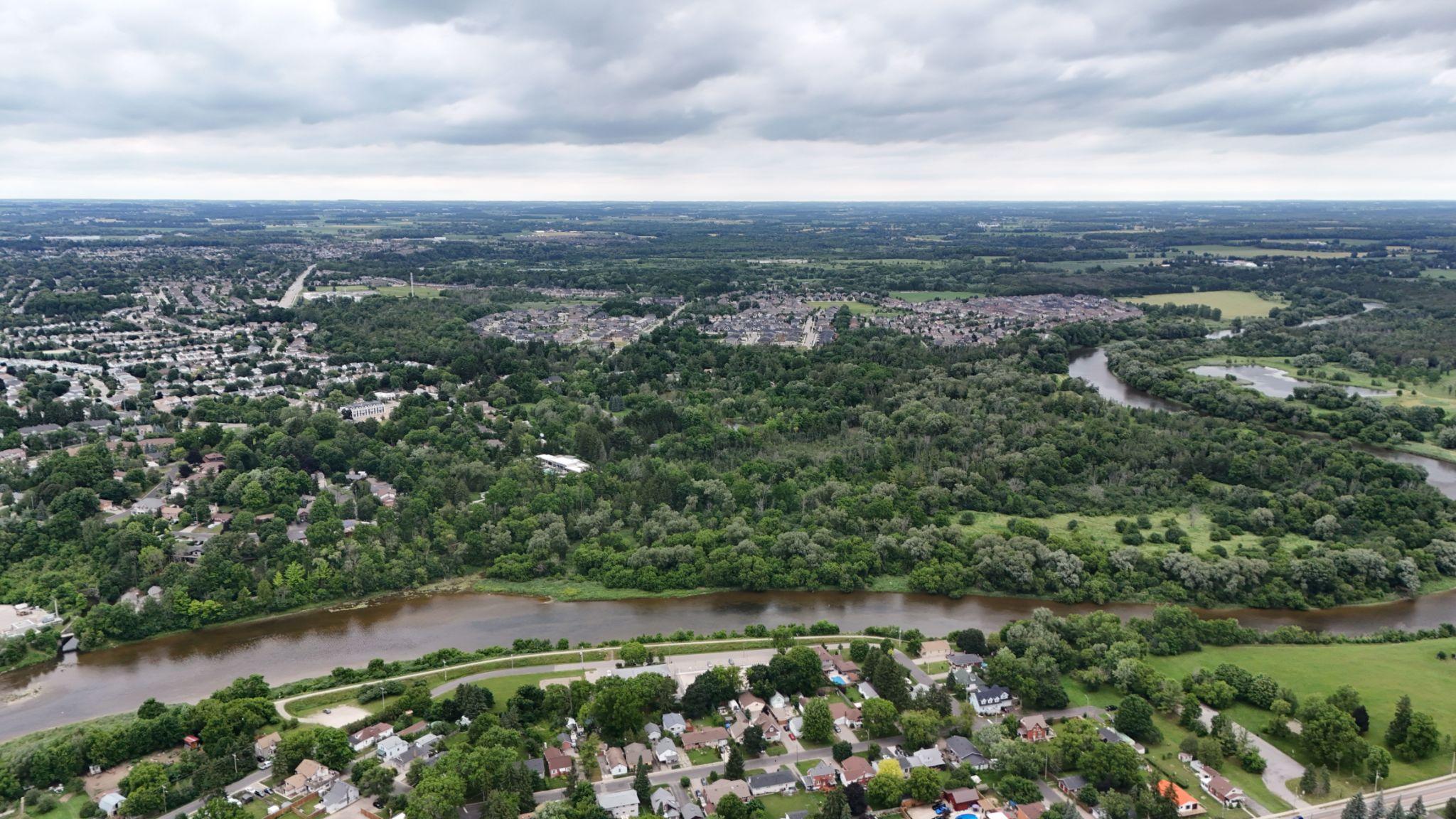
If you need commercial appraisal services in Waterloo Region, start early, define the problem well, and arm your appraiser with documents and candor. Expect them to test highest and best use, to challenge rosy assumptions, and to support every key input with observable evidence. Do that, and your appraisal becomes more than a requirement. It becomes a decision tool that reflects how deals really get done from Waterloo to Kitchener to Cambridge, and out through the townships where the region’s next growth chapters are already taking shape.