Top Commercial Building Appraisal Services in Dufferin County: What to Know
Real estate decisions in Dufferin County tend to sit at the intersection of small town relationships and Greater Toronto Area market forces. If you are financing an industrial condo north of Orangeville, re-tenanting a downtown Shelburne storefront, or weighing an offer on a highway commercial site near Mono, the appraisal you rely on can shape the next decade of your business plan. Lenders lean on it, partners negotiate around it, and municipal files often hinge on it. Getting the scope right, and hiring the right professional, matters more than most owners expect.
This guide draws on years of working with commercial building appraisers in Dufferin County and nearby markets. It covers how appraisals are built, where the snags usually show up, what to ask before you sign an engagement, and how commercial land appraisers look at unbuilt potential. It also unpacks the difference between an appraisal and a property assessment, a distinction that saves headaches when tax season rolls around.
How the Dufferin market shapes valuation
Dufferin County is not a monoculture. Orangeville sees steady retail and service demand tied to commuter households and small industry. Shelburne has expanded quickly, pushing service commercial and light industrial into former fringe areas. Mono and Amaranth present a mix of rural commercial, highway-oriented uses, and employment lands. Grand Valley is smaller but increasingly in the sights of service providers and contractors. Melancthon brings agricultural processing, wind power infrastructure, and aggregate interests into the conversation.
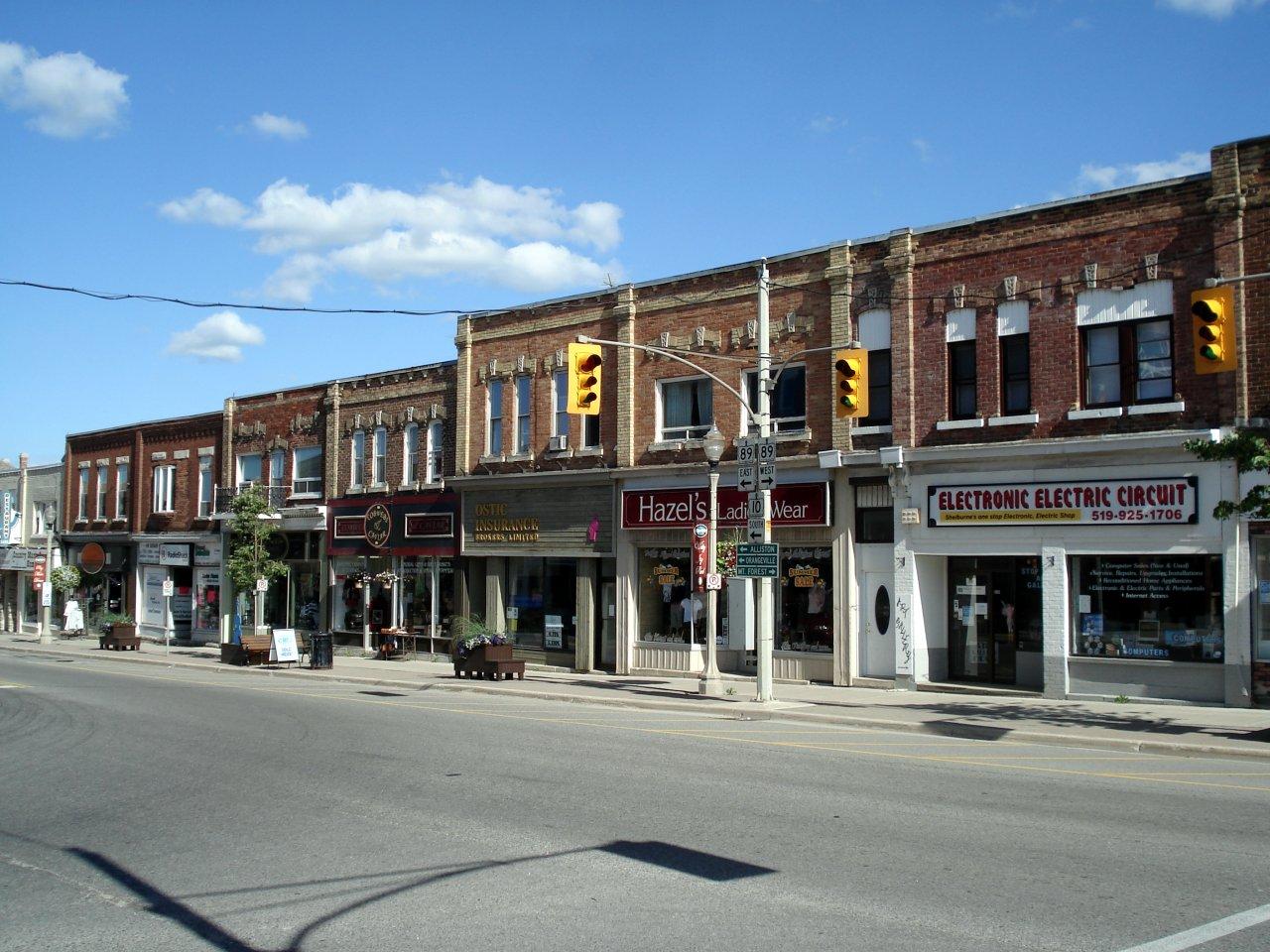
From a valuation standpoint, the county’s split personality creates two recurring issues. First, comparable sales can be sparse within a tight geographic radius, especially for special-use properties. That means the best comp for a 12,000 square foot service industrial building in Amaranth may sit across the county line in Caledon or Wellington. Second, investor yield expectations vary widely. A brand new net leased pad along a high visibility corridor may trade at GTA-like yields, while an older mixed-use building with residential above and inconsistent commercial rents can need a wider cap rate range to reflect risk. Local market knowledge helps the appraiser decide when to pull data from outside the county and how to adjust it back to Dufferin realities.
A simple example illustrates the point. A small industrial condo in Orangeville with 16 foot clear height, basic office finish, and a clean Phase I environmental recently rented at a net rate that looked modest compared to Mississauga. Yet its buyer pool was deep because owner-operators wanted to own, not lease. Investors showed up as well, but their required cap rates were 50 to 150 basis points higher than what they might accept closer to the 400 series highways. A credible appraisal needs to reconcile that kind of demand split, not just report an average.
What a commercial appraisal actually delivers
At its core, a commercial building appraisal in Dufferin County should answer a specific question in a specific context. Market value as is for first mortgage financing is not the same as market value on a stabilized basis when lease-up is pending, or value for expropriation, or insurable replacement cost for coverage planning. A properly scoped report will be written under CUSPAP, the Canadian Uniform Standards of Professional Appraisal Practice, and prepared by an AACI designated appraiser when the assignment is commercial in nature. For small mixed-use with a dominant residential component, CRAs sometimes assist, but lenders normally insist on AACI for commercial assets.
Report forms vary. Shorter summary narrative reports suit straightforward income properties with solid data. Full narrative reports, often 70 to 120 pages, suit complex properties, new construction, multi-tenant retail with unusual recovery structures, or land with layered approvals. Many commercial appraisal companies in Dufferin County publish both options. The right choice depends on the intended use, the reader, and the property’s quirks.
Expect the report to state the interest being appraised, most often fee simple. For net leased assets, leased fee analysis may be appropriate. Clear definitions, stated effective date, assumptions and limiting conditions, and a signed certification are not decoration. Lenders and courts look for them.
Methods that carry weight, and when to use them
Every competent appraiser will explain their valuation approaches. The art lies in deciding which approaches deserve the most weight, and why.
The Direct Comparison Approach is useful when sales are recent, similar, and plentiful. In Dufferin, that is often the case for small industrial and service commercial. Adjustments for building size, finish quality, site coverage, age, and location are common. A heavy service shop near a highway interchange may command a premium relative to a similar building tucked on a rural sideroad, even if both sold within the same quarter.
The Income Approach, usually via direct capitalization, is the backbone for multi-tenant retail, office, or industrial. The mechanics are simple enough, but the variables carry judgment. Market rent is not the same as the rent on the lease in your file. Vacancy and credit loss assumptions should reflect what happens in that micromarket during normal churn, not only vacancy at the exact effective date. Expenses are not one-size-fits-all. Snow and waste removal can be material in large rural yards. Insurance costs have moved meaningfully in the last few years. Capital reserves should account for roofs, parking lots, and mechanical systems, even under a triple net structure, because true net rarely https://realex.ca/about-realex/ means zero landlord risk over a hold period.
The Cost Approach gains relevance in two situations in Dufferin County. First, for special-use buildings with few market comps, like small-scale food processing with washdown finishes or properties designed around agricultural processing. Second, for insurance purposes where replacement cost new, less depreciation, drives coverage decisions. For older commercial buildings, functional and external obsolescence deductions are rarely trivial. A practical example is a 1950s mixed-use block in downtown Shelburne. The building has charm and earns rent, but the cost to reproduce that masonry today has little to do with the income the property can sustain, so the Cost Approach gets less weight for market value.
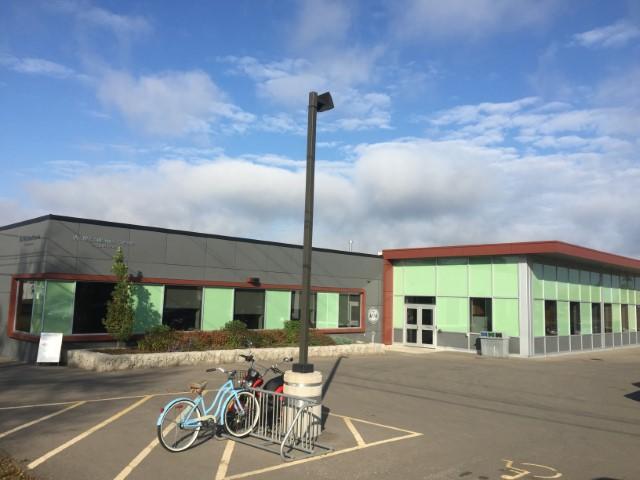
Commercial land appraisers in Dufferin County focus on Highest and Best Use first. Servicing constraints, conservation authority mapping, soil conditions, and access can strip away hypothetical uses long before revenue enters the picture. The sales comparison method remains primary for land, with adjustments for zoning status, site size and shape, frontage, topography, and approach to approvals. Residual land value, backing into land value from a stabilized income stream less development costs, applies when income land sales are scarce.
Appraisal vs property assessment, and why both matter
Owners sometimes conflate market value from an appraisal with assessed value from MPAC. They are different tools. An appraisal is a point-in-time opinion of value for a specified purpose, usually ordered privately. A property assessment underpins taxation and follows province-wide methodologies that may lag the market and rely on mass appraisal techniques.
That distinction is more than academic. If you are preparing a property tax appeal and need evidence, you may commission a market value appraisal that addresses the specific issue in your notice of assessment. But you should not be surprised when the value in your commercial property assessment in Dufferin County does not match your financing appraisal from six months ago. The timelines, data sets, and rules are different. A good appraiser will explain when their report can support an appeal and when a separate consulting strategy is smarter.
Where appraisals go wrong in rural-urban markets
The most frequent pitfall in Dufferin County is the misuse of out-of-area data. Pulling a sale from Brampton and dropping it into Orangeville without adjustments for exposure time, investor pool, and tenant covenants will always skew results. Another common issue is underestimating lease-up risk. A plaza that just lost an anchor may look stable on paper because of historical rents. In reality, rents on renewal can step back by a dollar or two per square foot and take months longer to negotiate. Good valuation allows for that, and states the lease-up or downtime assumptions plainly.
Environmental assumptions require care. Even when historic uses look benign, rural and highway commercial sites see decades of fluid handling and storage. A Phase I ESA is usually enough to verify no obvious red flags, but if a Phase II is on file and shows exceedances, the appraiser’s value should reflect remediation cost and stigma, not just hoped-for outcomes.
Getting the scope and engagement right
A quick phone call before you order saves time and fees later. Start with the intended use and the intended reader. A first mortgage lender might want a particular commercial appraisal company on their panel. Development partners might expect a full narrative that dissects the pro forma. Municipal staff evaluating a land transfer or encroachment will care about Highest and Best Use and comparables inside the jurisdiction more than glossy photos.
The engagement letter will outline fee, timing, scope, and extraordinary assumptions. Read it. If the value hinges on a rezoning that has not yet cleared council, the appraiser can provide a value upon rezoning with a hypothetical condition, but that is not the same as an as is value. If your timing is tight, share every document at the start. Piecemeal disclosures slow the process and invite rework.
Here are the documents most commercial building appraisers in Dufferin County will ask for up front:
- Current rent roll with lease abstracts, options, and expiry dates
- Operating statements for the past two years and trailing twelve months
- Copies of material leases and any recent amendments
- Site plan, building drawings, and a survey if available
- Any environmental, building condition, or roof reports on file
For land, swap the rent roll for planning documents. A current zoning bylaw excerpt, any pre-consultation notes, engineering or servicing memos, and correspondence with the conservation authority are gold.
Choosing between local specialists and big-firm coverage
There are strong arguments both ways. Appraisers based in Dufferin or adjacent counties see the properties, know the players, and often catch practical details that desk-bound reviewers miss. Larger commercial appraisal companies in Dufferin County and the GTA bring robust data rooms, internal review processes, and the comfort of a recognized brand for national lenders.
The middle path often works best. For an unusual property type, give weight to a professional who has valued at least a handful of similar assets in the last year or two, even if they must travel. For cookie-cutter industrial or small retail with clean leases, panel approval and speed may matter more. In any case, ask candid questions.
Five questions to ask before you hire:
- Do you hold the AACI designation, and have you appraised similar property types in Dufferin in the past 24 months?
- Which approaches do you expect to rely on most, and why?
- What is the anticipated turnaround time from site visit to draft, and what could delay it?
- Are there any assumptions you expect to make that we should address now, such as pending approvals or lease-up?
- Will this report meet the specific requirements of my lender, partner, or municipality?
Notice that none of these ask for a number up front. Reputable commercial building appraisers in Dufferin County will not guess at value before they see your documents and the property. If someone offers a target to win the file, be cautious. Independence is not just a virtue, it is a standard.
Timelines, fees, and realistic expectations
Turnaround depends on complexity and time of year. For a straightforward single tenant industrial building with complete documents, two to three weeks is typical. Multi-tenant retail or mixed use with older leases and incomplete expense detail can run three to five weeks. Development land with layered approvals can push to six weeks or more, especially if the appraiser needs planning confirmations.
Fees naturally vary. In the past year, I have seen summary commercial building appraisal assignments for simple industrial properties in the low to mid four figures, and full narrative work ranging higher. Land appraisals move with complexity. A simple, fully serviced commercial lot inside Orangeville’s built boundary costs far less to appraise than a large rural parcel with conservation overlays and a proposed severance. If your file includes an expert witness component for court or tribunal, plan for additional time and budget.
What commercial land appraisers weigh most
Land in Dufferin is where valuation leans heavily on judgment. Highest and Best Use analysis drives everything. A highway commercial site with no municipal water and septic constraints may see its use options narrow unless feasible private solutions exist. Conservation authority floodplain mapping can change the developable envelope significantly, and minor amendments are not always trivial. For agricultural areas, be clear on severance policies, especially around surplus farm dwelling severances and minimum distance separation from livestock operations.
Servicing is both a cost and a timeline factor. If your development concept needs a new signalized intersection or upgrades to a nearby trunk line, the carrying costs during approvals can meaningfully lower residual land value. Zoning status matters. Zoned and site plan approved land commands a premium over raw land with aspirational use, even if the raw land is in a growth area. Market participants pay for risk removal.
I worked on a file near Shelburne where the owner expected a valuation based on a future multi-tenant plaza. The property sat outside a service area, and the conservation authority requested additional studies after preliminary feedback. The appraiser provided two opinions, with and without approvals, clearly stating the assumptions and the development timeline. That clarity helped the owner recalibrate and phase the project rather than overcommit capital.
Income, cap rates, and the anatomy of risk
In Dufferin, cap rates for small industrial and service retail have tended to sit above prime GTA nodes, reflecting thinner buyer pools and sometimes shorter tenant covenants. Ranges of approximately 5.75 to 7.75 percent are common depending on asset quality, lease terms, and location, with outliers in both directions. The range tightens for strong covenants on new construction with long terms, and widens for older stock with vacancy risk or capital needs. Appraisers do not pluck these numbers from the air. They triangulate from local sales, GTA benchmarks adjusted for location, and lender sentiment visible in debt quotes.
Lease structure drives cash flow. True triple net is rare. Even with net leases, landlords often carry some exposure to management, roof and structure reserves, vacancy, and unrecoverable costs. Tenant improvement allowances and leasing commissions for rollover should be modeled, especially in multi-tenant buildings. In one Orangeville plaza, accounting properly for a likely 18 month lease-up of a vacated 8,000 square foot anchor, at a rent one dollar per square foot lower than the outgoing tenant, made a seven figure difference in value. That is not pessimism, it is realistic underwriting.
Physical and regulatory items that swing value
A good valuation does not ignore the box the rent lives in. Roof age and type, clear height and loading in industrial, HVAC condition in older office stock, and parking ratios for retail all move the needle. For rural and highway properties, well water capacity and septic system age matter. Heavy snow load design can affect roof stress and insurance. Fire suppression, or the lack of it, influences both marketability and insurability.
Zoning confirmation is not a formality. A legal non-conforming use can be salable, but its value can drift if a buyer cannot intensify or replace: the risk premium shows up in the cap rate or in a thicker discount for future work. If your file includes a site-specific exception, include it. If a minor variance is in play, note whether it is granted or pending. These small sentences save big debates during review.
How the process unfolds
Once you sign the engagement and deliver documents, the appraiser schedules an inspection. For income properties, they will walk common areas and a sample of tenant spaces if possible, photograph building systems, and confirm measurements against drawings or by laser measure. For land, they will inspect access, topography, and adjacent uses. Back at the desk, research begins. Sales verification by phone still matters in Dufferin, where many deals are private and MLS coverage is uneven. The first draft often raises questions about leases, expenses, or approvals. Quick turnaround on those questions keeps the report on schedule.
Revisions usually fall into two categories. Clarifications of facts, like a corrected roof age or a missing lease amendment, and reconsiderations of comparables or assumptions in light of new information. Reputable firms welcome factual corrections. If you ask for a value change without new data, expect a short answer. Independence is part of the service you are buying.
Updates and re-inspections
Markets move and loan covenants demand updates. If you need an update six to twelve months after the original appraisal, an update letter or a restricted report may suffice, provided the property has not changed materially. Significant lease changes, capital projects, or shifts in approvals can trigger the need for a refreshed full analysis. Re-inspection fees are modest compared to a new report, but do not assume the update is automatic. Engage the same appraiser if possible to preserve continuity.
Navigating lender requirements
Not all lenders read reports the same way. Some credit teams want a deep market study and a granular lease analysis. Others prioritize a clean summary of value, financing terms, and key risks. If you know the target lender, ask your appraiser whether they are on the lender’s approved list and what that lender usually expects. When multiple lenders are in the mix, err toward a fuller narrative that will satisfy the strictest reader.
On construction files, the initial appraisal is only the start. Progress inspections and cost-to-complete analyses come later. For a retail pad or small industrial build in Dufferin, budget for these follow-on services. They are not usually included in the initial fee.
When to order an appraisal and when to wait
There is timing to this. Order too early and you risk paying for a report that ages before you use it. Order too late and you rush the work or miss a financing window. A useful rhythm emerges with experience. When letters of intent firm up, leases hit key milestones, or planning files reach predictable stages, talk to your appraiser. If a deal includes conditions on financing, give the appraiser the full condition timeline upfront. You will avoid the 4 p.m. Email the day before waiver asking for a miracle.
For owners managing tax appeals or disputes, coordinate with your legal team before commissioning a report. The wrong scope can undermine a good argument. In expropriation, valuation standards differ, and specialized expertise matters. The same applies to power of sale or foreclosure files, where exposure time and forced sale conditions require careful treatment.
Tying it back to your next decision
Appraisals are not just compliance documents. They should inform strategy. If the report on your downtown Orangeville mixed-use indicates that rents trail market by 10 to 15 percent at rollover, maybe the right move is a light capital program to justify stronger renewal terms. If your commercial land appraisal shows a wide value swing depending on a pending rezoning in Mono, perhaps you phase the project or lock in an option structure rather than an outright purchase. If your commercial property assessment in Dufferin County looks misaligned with the market even after the appraiser walks you through differences in methodology, it might be time to pursue an appeal with targeted evidence.
The best commercial appraisal companies in Dufferin County know that value is context. They will tell you what the number is, and why it is that number, but they will also flag where a small change in inputs could move the outcome. That is the practical edge you want when capital, time, and reputation are on the line.