Top Commercial Land Appraisers Elgin County: Choosing the Right Expert
Commercial land can look deceptively simple. It is just dirt with a legal description, a roll number, a municipal address if you are lucky. Yet most of the value in Elgin County development sites sits inside the zoning lines, the servicing constraints, the traffic counts, and the yield the land can support. If you are negotiating a purchase option along Highway 401, looking to reposition a farm parcel near St. Thomas for industrial use, or pricing a retail corner in Aylmer, the right appraiser is not a box to tick. It is the difference between a sound decision and an expensive lesson.
This is where commercial land appraisers earn their keep. The good ones combine valuation theory with a lived understanding of the local planning framework and market behavior. In Elgin County, that includes the practical realities of Central Elgin and Southwold servicing capacity, the gravitational pull of the Volkswagen battery plant in St. Thomas, and the quirks of conservation constraints along Kettle Creek and Catfish Creek. If you need a commercial building appraisal in Elgin County, or you are screening commercial land appraisers in Elgin County, it pays to know what separates a reliable opinion of value from a glossy report that misses the mark.
What sets commercial land appraisal apart
Valuing land is not a watered-down version of valuing buildings. It often requires more judgment. With improved properties you can measure rent, vacancy, and expenses, test cap rates, and cross-check with replacement cost. For raw or transitional land, appraisers must tease value out of potential. That means highest and best use analysis is front and centre, sometimes supported by residual land value models or the subdivision development method. When the subject is a covered land play, the building may be a placeholder. An appraiser must recognize whether the income from a small warehouse in Dutton Dunwich drives the value, or the real economic engine is the industrial land value beneath it.
Even when the assignment is a commercial building appraisal in Elgin County, the land still matters. Suppose you own a 1980s flex building near Talbot Line. The appraiser will benchmark rents and yields, but also check whether the site can support additional gross floor area under current zoning, or whether surplus land could be severed. That surplus development potential can add meaningful value if it is marketable and supported by servicing.
The Elgin County context you want in your appraiser’s toolkit
You can hire a competent appraiser from anywhere in Ontario. But competence in Elgin County comes with context. The county’s economy is anchored by manufacturing, logistics, agriculture, and tourism. The 401 corridor frames industrial demand from Tilbury through London, with St. Thomas now a magnet because of the battery plant and its supplier ecosystem. That has pushed industrial land prices higher within a 20 to 30 minute haul of the St. Thomas site, with premiums near rail access and full municipal services.
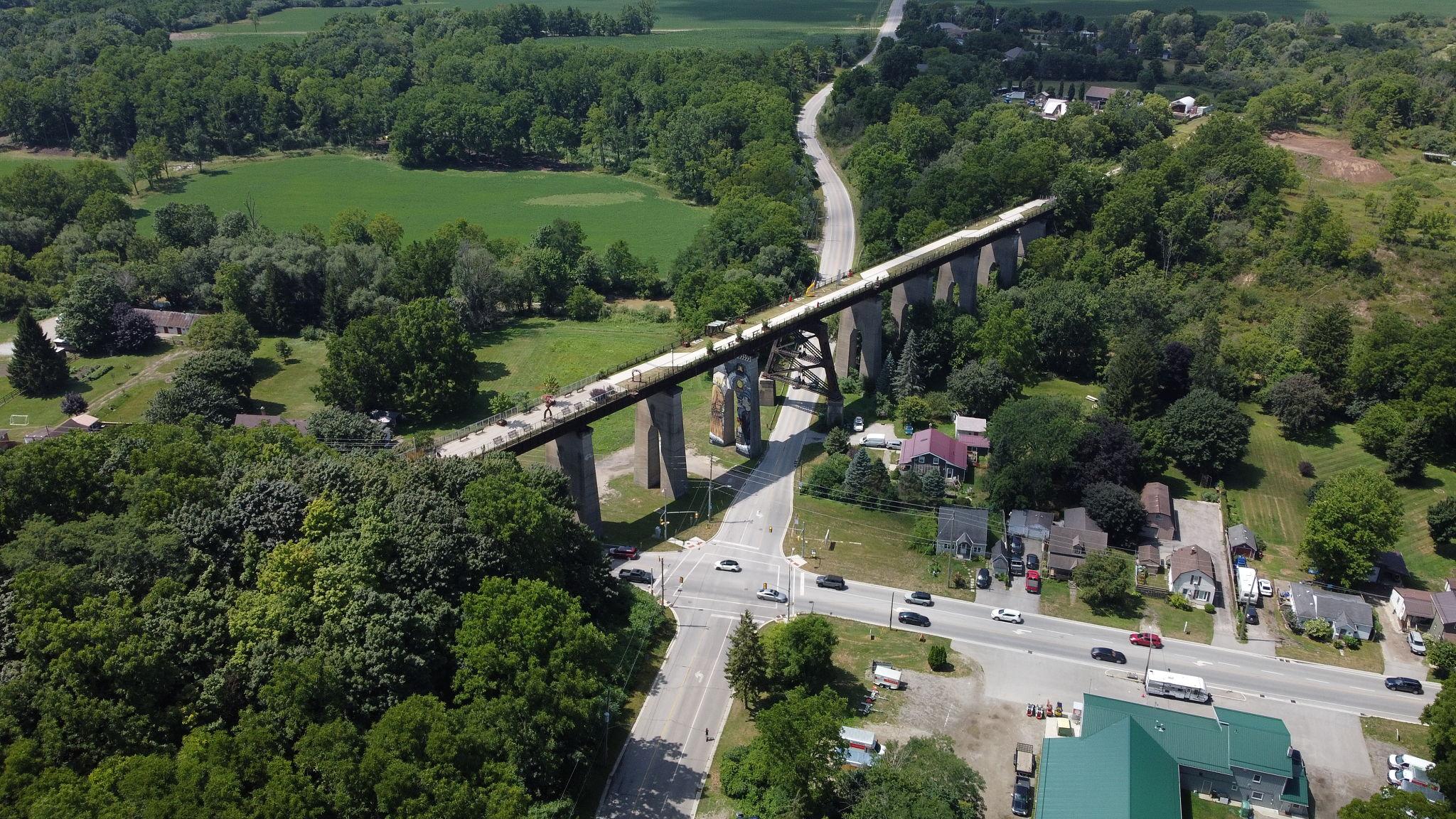
Not every township can absorb growth at the same pace. Central Elgin and Southwold have finite water and wastewater capacity in certain settlement areas. West Elgin and Dutton Dunwich have industrial sites that appeal to users who value cost, yard space, and access over prestige. Aylmer and Malahide see steady small-bay and food-related demand. Along Lake Erie, waterfront land often looks valuable on paper, then drops under the weight of erosion setback requirements and conservation controls.
A strong commercial real estate appraiser in Elgin County pays attention to these details:
- Where municipal servicing can be extended in the next three to five years, versus where it is a decade away.
- Which hamlets have active site plan and subdivision files in council agendas, a live indicator of near-term comparables and absorption.
- How conservation authority mapping and species at risk screenings can shave net developable area.
- How local trades pricing, gravel availability, and road improvement charges move the pro forma on an industrial lot.
- The practical cap rate and rent delta between highway-exposed retail in Port Stanley and neighborhood retail in Aylmer.
None of this replaces valuation methods, but it keeps them honest.
Standards, credentials, and why they matter
In Ontario, credible commercial appraisal work follows the Canadian Uniform Standards of Professional Appraisal Practice, or CUSPAP, issued by the Appraisal Institute of Canada. For complex commercial and land work, look for the AACI, P.App designation. Some CRAs are highly capable, but lenders and courts typically prefer AACI for income-producing and development assignments. An experienced AACI will define scope properly, disclose assumptions, and state limiting conditions that match the reality on the ground.
Independence matters as much as designation. A commercial appraisal company in Elgin County owes you objectivity, even when the findings are inconvenient. Bank panels add another filter. If your financing requires an appraiser from an approved list, confirm panel status early. It avoids last-minute scrambles when a lender rejects a report purely on credentialing.
One more distinction avoids confusion. MPAC’s property assessment is not an appraisal for lending or transactional decisions. Assessment models target tax fairness across a broad base. Market appraisals are property-specific, time-specific, and driven by highest and best use. If your offer hinges on a number, you want the latter, not the assessment.
Approaches to value for land and for improved commercial property
For commercial land, appraisers rely primarily on the sales comparison approach and, in certain cases, a residual method.
-
Sales comparison. The appraiser analyzes recent land transactions, adjusts for location, services, zoning, density, contamination, and timing. In Elgin County, meaningful adjustments often relate to water and wastewater availability, frontage and depth, and whether the comparable was part of a larger assembly. Industrial land near Highway 401 with full services will trade at a markedly higher per acre rate than a rural industrial parcel requiring private services and road upgrades.
-
Residual or subdivision development method. When direct land comparables are scarce or when the subject is a large tract intended for phased development, the appraiser models stabilized end values, deducts all development costs and entrepreneur’s profit, and discounts back to present to derive a supportable residual land value. For an industrial business park concept in Central Elgin, the model would include site works, servicing extensions, soft costs, DCs, contingencies, leasing commissions, and realistic absorption over several years.
-
Cost approach as a cross-check. For parcels with improvements slated for demolition, the land value plus contributory site works can inform whether the current use supports more or less value than redevelopment. On a covered land play, a simple land residual under the income approach can show whether the existing building income justifies holding until approvals improve.
For a commercial building appraisal in Elgin County, the appraiser will lean on income and sales comparison, with cost serving as a reasonableness check, especially for newer assets or special-purpose improvements like cold storage or a specialized agri-processing plant.
Zoning, policy, and permissions that move the needle
The stated zoning today is a waypoint, not a wall. The question is what is reasonably probable within a typical investor’s time horizon. In Elgin County, official plans in Aylmer, St. Thomas, Central Elgin, and other municipalities outline growth areas and permitted uses. The county layer and conservation authorities introduce constraints that are not negotiable without offsetting mitigation. Kettle Creek and Catfish Creek authorities will look at floodlines, wetlands, and buffers. The Long Point Region authority will focus on hazard lands and valley systems. An appraiser does not replace a planner or environmental consultant, but they should know when to condition value on approvals.
Two cautionary examples from the field:
-
A 22 acre site outside the St. Thomas urban boundary looked like a bargain. The buyer assumed a boundary expansion would catch it within five years. Servicing economics and political appetite pushed the expansion elsewhere. The hold period stretched, internal rates of return bled down, and what looked like a 30 percent discount to market was simply the market pricing in risk the buyer ignored. The appraiser who flagged the boundary risk saved the client from overpaying by six figures.
-
A waterfront motel in Port Stanley carried an outsized asking price supported by stories about luxury condo redevelopment. Erosion hazard mapping and stable slope analyses cut the buildable envelope in half. Once the appraiser adjusted the pro forma to the net development area allowed, the land lift could not justify the price, even with optimistic sellout rates. The seller eventually traded to a hotel operator at a value closer to the income supported by renovation, not redevelopment.
Data is only useful if it is clean and local
Commercial appraisal companies in Elgin County often maintain their own databases of land and building sales, leases, and construction costs. Broker data fills gaps, but it is messy. Agreement of purchase and sale conditions that survive closing, vendor take-back financing, or land transferred as part of a larger corporate transaction can distort posted prices. A good appraiser checks instruments on title, requests statements of adjustments when possible, and phones brokers to confirm the true cash equivalency of a sale.
Local lease data is just as important. Many industrial users along the 401 negotiate yard-heavy deals with non-standard rent structures and tenant responsibilities. Retail landlords in smaller towns sometimes package rent with business arrangements that would confuse a straightforward comparison. The appraiser’s job is to normalize these to apples-to-apples net effective rents.
Fees, timelines, and scope: what to expect
Budget and timing depend on complexity. A desktop review of a small commercial building with stable income might land in the 2,500 to 4,500 dollar range with a one to two week turn. A full narrative appraisal of a 50 acre industrial land tract with servicing questions, conservation constraints, and a residual model can run 8,000 to 18,000 dollars, sometimes more if multiple iterations of development scenarios are required. Lender-driven work often adds time for review and revisions.
Scope must be explicit. A restricted use report has its place for internal decisions. It is not designed for third-party reliance, and many lenders will not accept it. For land with development intent, ask for a full narrative report that sets out assumptions about permissions, servicing, and timing, and that cites sources. That report should withstand scrutiny from a credit committee, a partner across the table, or a court if things go sideways.
Choosing the right expert: a focused checklist
- Confirm designation, standing with the Appraisal Institute of Canada, and relevant insurance coverage.
- Ask for three recent Elgin County assignments similar to yours, and read the redacted reports for depth and clarity.
- Verify lender panel status if financing is part of the plan.
- Probe local knowledge: servicing realities, conservation authority touchpoints, and recent land trades.
- Clarify scope, intended use, reliance parties, fee, and realistic delivery dates in writing.
The process from kickoff to delivery
- Intake and scope. You and the appraiser define the problem, purpose, and intended use. You share agreements, surveys, site plans, environmental reports, rent rolls, and any planning pre-consultation notes.
- Inspection and reconnaissance. The appraiser inspects the site and improvements, photographs conditions, measures if needed, and drives the competitive set to understand context.
- Research and analysis. Sales, listings, leases, and cost data are gathered and scrubbed. Zoning, official plan, and conservation mapping are reviewed. If needed, preliminary planning input is sought to support assumptions.
- Valuation and testing. Approaches to value are applied, sensitivity runs are completed on key variables like density, cap rate, or absorption, and reconciliations are made. Draft findings may be discussed if agreed in scope.
- Reporting and follow-up. A written report with supporting exhibits is delivered. The appraiser answers lender or stakeholder questions and, if warranted, issues a revised report to address factual clarifications.
Most assignments follow this arc, but the weight of each step shifts with property type. A stabilized retail plaza in Aylmer leans heavier on income analysis. A farm parcel on the fringe of https://blogfreely.net/geleynpmom/h1-b-how-commercial-building-appraisers-elgin-county-determine-value-methods-4gdx Central Elgin asks for deeper highest and best use work and a sharper eye on net developable area.
When you specifically need a commercial building appraisal in Elgin County
Land gets the headlines, but most lenders and buyers transact buildings. In Elgin County, common assignments include small-bay industrial near the 401, mixed-use main street properties in Aylmer and Port Stanley, and single-tenant assets like agricultural supply, contractor yards, or grocery-anchored strip plazas.
The nuances:
-
Industrial. Watch for yard-intensive uses, heavy power requirements, and ceiling heights. Rents vary widely between older 14 foot spaces and newer 28 foot clear, even in the same township. Truck maneuvering and site layout impact value more than many owners expect.
-
Retail. Seasonal spikes in Port Stanley can tempt optimistic rent assumptions. Sustainable, off-season trade supports long-term value. Exposure, parking ratios, and tenant mix drive the cap rate as much as the rent roll.
-
Office and medical. Medical and dental suites attached to hospitals or clinics, especially in St. Thomas, show lower vacancy and higher rents than generic office. Tenant improvements are heavier, so the cost approach plays a supporting role in testing value.
-
Special-purpose. Cold storage, food processing, or agri-business improvements require cost and income analysis shaped by user economics. Lenders often ask for appraisers with direct experience in these asset types.
When searching for commercial building appraisers in Elgin County, look for practitioners who can show rent comps within 15 to 30 minutes of your property and who can explain cap rate movements with reference to recent trades, not national reports. Commercial real estate appraisers in Elgin County who work every month in the corridor between Dutton, St. Thomas, and Aylmer will price risk more accurately than someone two counties away.
How good appraisers handle tricky parcels
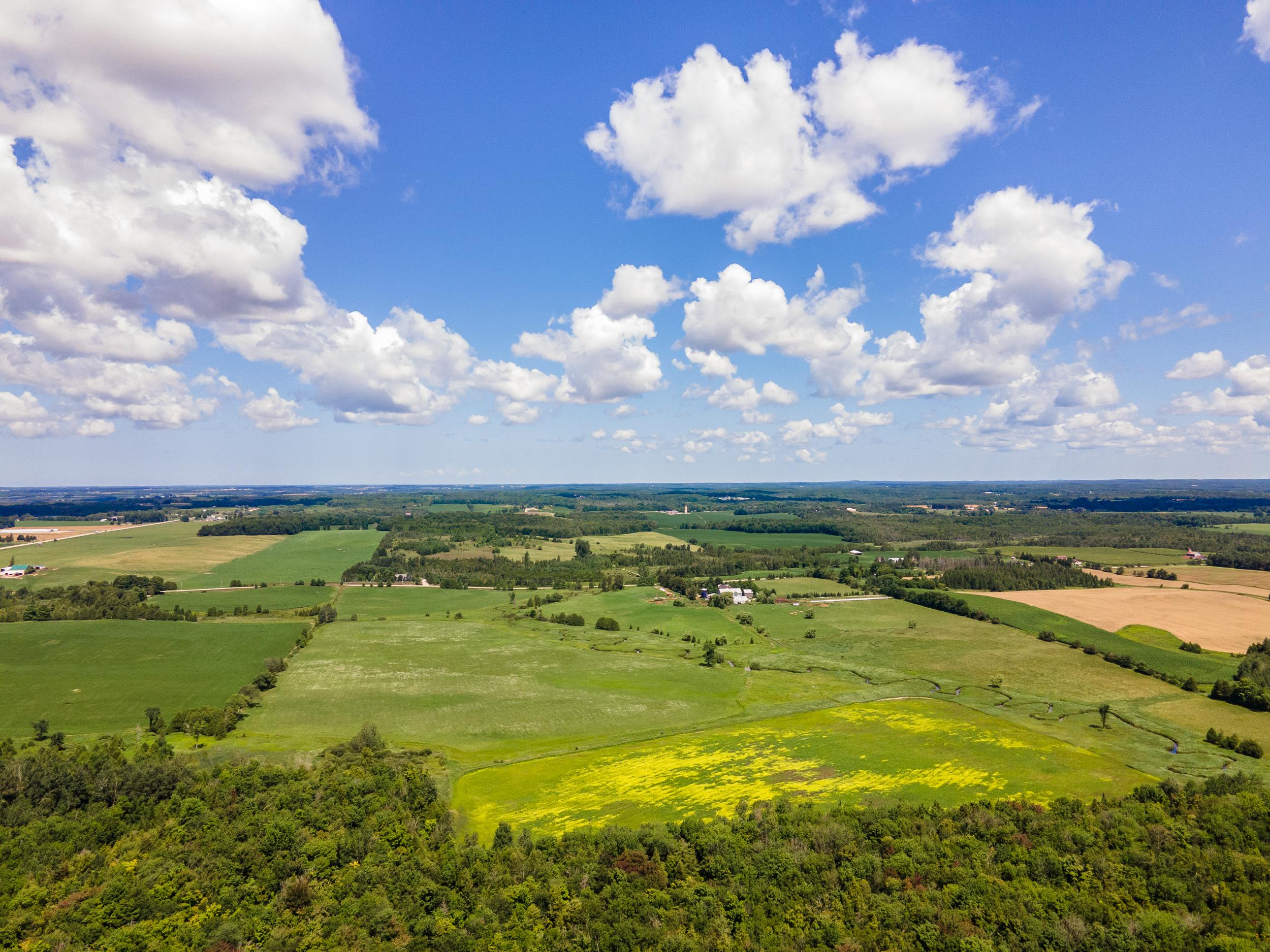
A 40 acre tract in Southwold looked perfect for an industrial park on paper. The catch was water. Extending full municipal water within the desired timeframe proved unrealistic, and private servicing on that scale triggered technical hurdles. The appraiser built two scenarios. Scenario A assumed municipal services in year four, modeled at a conservative pace and cost. Scenario B assumed private servicing with lower achievable rents and higher operating costs. After discounting, the value difference between scenarios was seven figures. The buyer used the report to negotiate an option structure that paid more on municipal approval and less up front. Risk and reward aligned, and both sides slept better.
Another client owned a mid-block retail site in Aylmer with a depth surplus that could feed a small residential development. The appraiser separated the analysis into the retail income stream and the surplus land, tested severance feasibility with a planning pre-consult, and explained a realistic marketing period for the back-lot sale. The combined supportable value exceeded a naively applied retail cap rate by a comfortable margin. Without that split treatment, equity would have stayed trapped.
Environmental flags and their valuation impact
Phase I environmental site assessments are not optional on former gas stations, dry cleaners, auto repair, or industrial sites. Even agricultural land can carry risk from historical pesticide mixing, underground tanks, or undocumented waste pits. If a Phase I recommends a Phase II, an appraiser should account for stigma and the cost to cure. Lenders sometimes hold back funds equal to remediation estimates plus contingency. A report that ignores this reality exposes you to surprises after credit committee review.
On waterfront or ravine-adjacent lands, erosion hazards and slope stability studies control buildable area. The difference between 25 and 15 buildable acres at 200,000 dollars per acre is not academic. An appraiser should either secure engineering input or qualify the valuation with a clear assumption, then run sensitivities so decision-makers understand the range of outcomes.
The independence you pay for
Clients sometimes ask appraisers to “hit the number.” Most professionals will walk away from that pressure. CUSPAP ethics require independence, transparency, and credible results. If you need a report to justify a deal already made, ask for a broker opinion of value instead, then accept the limitations. If you need a defensible opinion to guide a major commitment, give the appraiser clean data, room to do the work, and respect for the answer, even when it is not the one you hoped for.
Working effectively with commercial appraisal companies in Elgin County
A smooth assignment saves you time and money. Provide:
- Current rent rolls, leases, and any side letters.
- Site plans, surveys, grading plans, and architectural drawings if available.
- Environmental and geotechnical reports.
- Any correspondence from the municipality or conservation authority.
- Your investment thesis and timeline, so assumptions can be tested against your reality.
Expect clear communication about what the appraiser can and cannot conclude. Expect citations for sales and leases, and a logic chain you can follow from raw data to reconciled value. If a report feels like boilerplate with numbers dropped in, push back. You are paying for analysis, not word count.
Final thoughts from the field
The Elgin County market is maturing quickly. Major industrial commitments in St. Thomas have tightened land supply more than some national datasets imply. Secondary nodes along Highway 3 and in West Elgin see spillover activity that rewards owners who prepared sites early, secured permissions, and understood their carrying costs. Retail in tourism-heavy pockets benefits from strong summer trade, but lenders underwrite to year-round stability. Conservation and servicing constraints can derail the best-laid development plans, which is why highest and best use is not just a heading in a report, but the backbone of value.
Choose commercial land appraisers in Elgin County who know these currents by experience, not hearsay. The same applies when you need commercial building appraisers in Elgin County for income-producing assets. The right expert will anchor your decisions in evidence, test your assumptions with realistic scenarios, and stand behind their work when lenders and partners take a hard look. That is what you are buying when you hire a seasoned commercial real estate appraiser in Elgin County, and it is worth every dollar if it helps you make one good decision, avoid one costly mistake, or structure one deal that shares risk fairly between buyer and seller.