Top Commercial Real Estate Appraisal Services in Perth County: What to Expect
Commercial appraisal reads the market’s pulse. In Perth County, that means more than plugging numbers into a template. You are dealing with a county that blends main street retail in Stratford, light industrial in North Perth, agri‑business across Perth East and West Perth, and redevelopment pockets along transportation corridors. A strong commercial appraiser in Perth County needs to translate local nuances into valuation conclusions that hold up with lenders, courts, and investors.
This guide draws on practical experience navigating assignments from small-bay industrial condos to mixed‑use blocks and farm‑adjacent processing facilities. The focus is simple: if you are seeking commercial appraisal services in Perth County, what should you expect, what should you prepare, and how do you tell a top‑tier professional from a box‑checker.
Why an accurate commercial valuation matters right now
An appraisal is not just a number for a closing set of documents. It shapes leverage, purchase negotiations, shareholder buyouts, tax planning, and redevelopment paths. In rising markets, it can discipline exuberance. In slower cycles, it separates a real discount from a mirage. In Perth County, where many assets are held long term and traded privately, an independent view helps avoid anchoring to legacy rents or outdated cap rates borrowed from Kitchener or London.
Bankers care because the report underpins lending risk. Municipalities care when valuations inform tax appeals or expropriation compensation. Partners care when one wants out and the other wants to keep the building without overpaying. An effective valuation bridges these interests with evidence that would stand scrutiny.
Where Perth County’s market is different
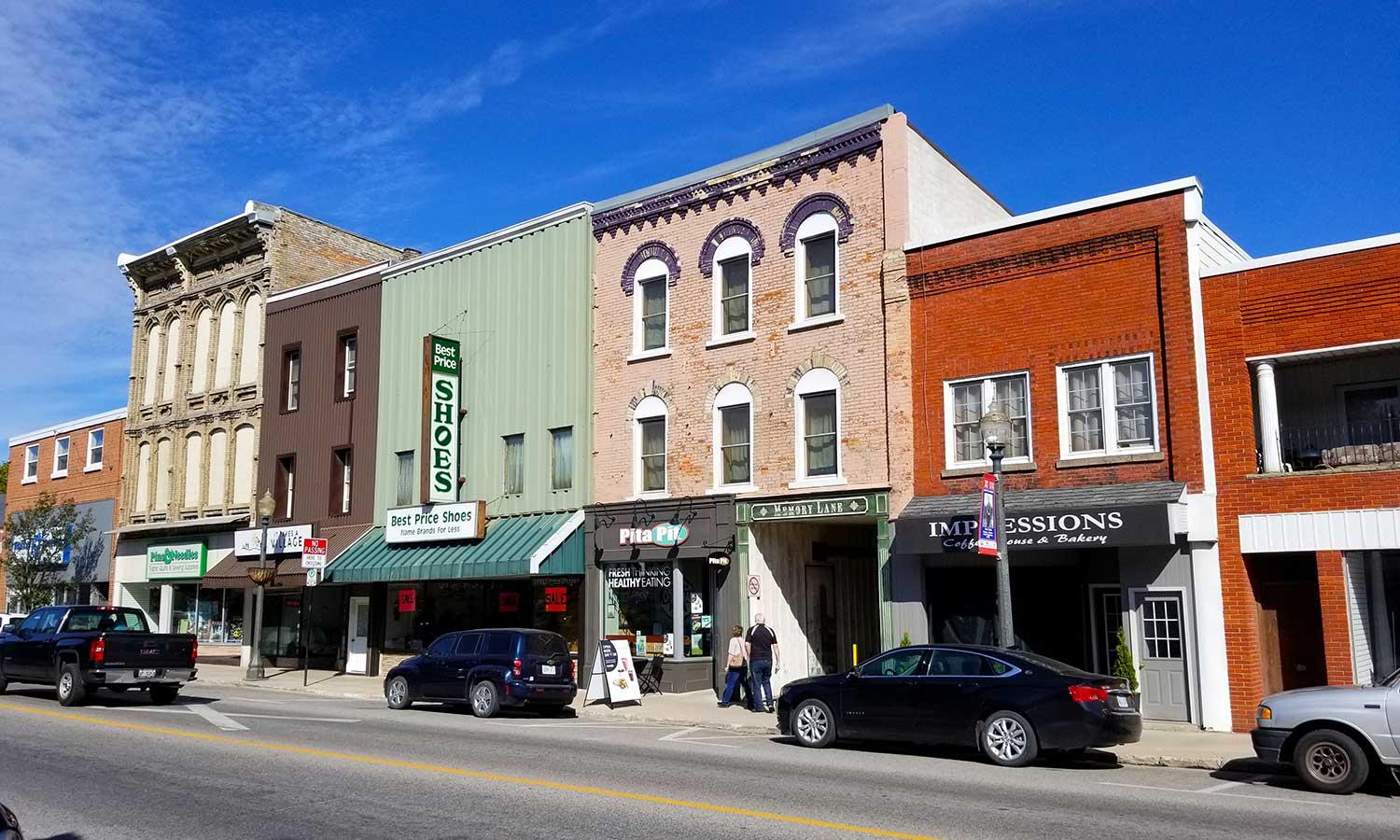
The county’s commercial fabric is varied within a short drive. Stratford’s cultural draw boosts foot traffic for boutique retail and hospitality. North Perth, especially Listowel, has seen steady industrial and service growth tied to regional logistics. Smaller nodes in St. Marys and Mitchell balance legacy main streets with infill potential. And across Perth East and South Perth, ag‑adjacent users need buildings that tolerate wash‑down, heavier utilities, or cold storage, which complicates the cost approach and functional obsolescence analysis.
Supply is tight in certain niches. Small-bay industrial with clear heights above 20 feet and room for trailers typically trades fast if priced right. Downtown mixed‑use with stable upper‑floor apartments and clean environmental history can draw investors from outside the county. Lease comparables are thinner than in larger centres, so a commercial appraiser in Perth County must maintain a deep bench of private deals, broker insights, and verified off‑market data, not just MLS printouts.
Cap rates in Southwestern Ontario have shifted in recent years with interest rate movements. For stabilized small-bay industrial in nodes like Listowel or Stratford’s periphery, investors often underwrite in the mid to high single digits, with variation for tenant covenant, age, and functionality. Street retail on Stratford’s core blocks may command tighter yields if tenancy is strong and suites are smaller. Office yields tend to be wider in low‑amenity, non‑medical stock. These are directional observations rather than hard lines, and a competent valuation will demonstrate support with current market evidence rather than canned charts.
Credentials and standards that actually matter
In Canada, the Appraisal Institute of Canada governs commercial designations. For commercial work, look for the AACI, P.App designation on the signature line. That credential signals training under the Canadian Uniform Standards of Professional Appraisal Practice, or CUSPAP, and a commitment to compliance, confidentiality, and scope clarity. The CRA designation applies to residential appraisal. While some professionals hold both, a commercial property appraisal in Perth County intended for financing or litigation should be signed by an AACI.
Top firms know how to tailor a scope of work. CUSPAP allows flexibility, but lenders, insurers, and courts have their own expectations. A bare‑bones restricted appraisal may work for internal planning when you simply need a supported range, but for financing, a full narrative is usually required. Ask your commercial appraiser in Perth County what level of reporting they recommend for your intended use, who may rely on the report, and how lender conditions will be addressed.
How the process unfolds from start to finish
A good engagement starts with clarity. The appraiser confirms intended use, intended users, effective date, property rights appraised, and any extraordinary assumptions. You should hear plain language on what is in scope and what is not.
The site inspection is not box‑ticking. An experienced appraiser tracks loading, clear height, floor finishes, mechanicals, power supply, parking ratios, accessibility, and code conformity. In older main street buildings, they note the realities of party walls, joist spans, and stair compliance. In industrial, they confirm dock versus grade, yard depths, and truck maneuvering. Photographs back up observations.
Back at the desk, three classic valuation approaches are tested. Direct comparison relies on verified sales and adjustments. Income capitalization converts stabilized net operating income into value using supported cap rates or a discounted cash flow where lease‑up or rollovers are material. Cost approach is applied where improvement reproduction or replacement cost adds insight, like for newer single‑tenant buildings or special‑use assets. The final value is a reconciliation, not a simple average. The strength of each approach depends on data quality and relevance to the subject’s highest and best use.
Turnaround times in Perth County for a full narrative commercial appraisal often range from 10 business days to three weeks once all documents and access are provided. Complex files, such as multi‑parcel assemblies, partial interests, or properties with environmental overlays, can extend beyond that. Rush capacity exists, but expect a premium and a realistic discussion about data availability.
What you should prepare to keep the process moving
Most delays are avoidable. Provide organized documentation upfront so the analysis starts on day one, not day nine while the appraiser chases leases or surveys.
Here is a practical preparation checklist that consistently saves time and reduces back‑and‑forth:
- Current rent roll with start and expiry dates, step‑ups, options, and area by unit
- Executed leases and any amendments, plus details on inducements and tenant improvements
- Recent operating statements with itemized recoveries, utilities, and capital expenditures
- Site plan, building drawings if available, and the most recent survey
- Any environmental, structural, or roof reports, even if older, and a note on outstanding work
If the appraisal supports financing, ask your lender for any preferred wording, reliance requirements, or report format early. Top commercial appraisal services in Perth County will already know most lender templates, but alignment up front avoids rework.
Pricing that makes sense, and what drives it up or down
Fee quotes for a standard single‑building commercial appraisal in Perth County often start around the low‑to‑mid thousands of dollars. Complexity pulls that number up quickly. Multiple buildings with different uses on one legal parcel, strata or condominiumized industrial, mixed‑use with residential overrides, or specialized facilities with limited comparables all require more time. Litigation support, expropriation, or retrospective valuations add scope for discovery, cross‑examination readiness, and tighter documentation of assumptions.
If two quotes are worlds apart, ask each appraiser to walk you through their scope. A rock‑bottom number that excludes a site inspection or omits a full income approach is rarely a bargain once a lender kicks it back. Good firms price to the complexity, not just to the square footage.
Local realities that shape value
Zoning in municipalities like Stratford, North Perth, and St. Marys sets the stage. Mixed‑use corridors may allow additional height or density that creates air rights value not obvious from current income. Conversely, legal non‑conforming uses can be a trap if a fire or major renovation triggers compliance upgrades that the pro forma ignored. A commercial appraiser Perth County owners rely on will read the zoning text, not just the schedule, and discuss risks with planning staff if needed.
Parking ratios differ across nodes. Medical and service office tenants can choke a downtown site without shared parking agreements. Industrial users with higher employee counts per square foot strain rural lots lacking formal stalls. These factors show up in rent sustainability and cap rate selection.
Environmental issues surface more often than many owners expect. Former service stations, dry cleaners, or auto uses are obvious. Less obvious are older boiler rooms, fill materials of unknown origin, or historical agricultural chemical storage. An appraisal is not an environmental assessment, but the report must disclose known or suspected issues and explain how they were handled, either through extraordinary assumptions or by reflecting stigma in the reconciliation.
How top firms handle scarce data
Perth County does not publish a perfect database of verified commercial sales and net rents, and many transactions never hit public listings. A seasoned commercial appraiser in Perth County solves this by triangulating:
- They maintain private sale files with confirmation from buyer, seller, or counsel where possible.
- They interview leasing brokers and property managers to confirm effective net rents, abatements, and tenant improvements that do not show on a fact sheet.
- They analyze assessment data and land transfer records as secondary evidence, not as a primary source.
- They adjust across municipalities when in‑county comparables are thin, but only after scrubbing differences in traffic counts, exposure, and demand drivers.
You should see these methods explained clearly in the report, with sources cited and rational adjustments you can follow without a decoder ring.
Typical timing from first call to final report
If you are mapping your closing, here is a realistic sequence for a full narrative commercial property appraisal in Perth County:
- Engagement, document request, and access coordination: 1 to 3 business days
- Site inspection and immediate follow‑ups for missing items: 2 to 4 business days
- Analysis, comparable verification, and draft modeling: 4 to 7 business days
- Internal review, client clarifications, and final write‑up: 3 to 5 business days
- Lender questions or reliance letters if financing: 1 to 3 business days after delivery
Compressing any of these windows is possible, but only if documents and access are ready to go and the appraiser can line up their verification calls quickly.
Report formats and what lenders expect
For commercial financing in Ontario, lenders typically want a narrative report that includes market area analysis, property description, highest and best use, approaches to value with support, and a reconciliation that explains the weighting. Photographs, floor plans if available, and a site plan help readers digest the property fast. Many banks will ask for the appraiser’s E&O insurance certificate and a reliance letter in the bank’s name.
For internal decision‑making or early feasibility, a more concise report can work, but be mindful of who may rely on it. If partners or external investors will use the number, or if you anticipate taking the file to a lender, invest in the full format from the start. Re‑scoping midstream is less efficient than doing it right once.
Income approach pitfalls that sink deals
Two traps show up repeatedly in Perth County appraisals:
First, applying market rents broadly without dissecting tenant mix and suite sizes. A 1,200 square foot boutique on Ontario Street is not interchangeable with a 4,000 square foot café or a 600 square foot service use with limited frontage. Rent premiums for corner visibility or adjacency to anchors can be material. If your appraiser lumps them together, ask for the evidence and adjustments.
Second, ignoring rollover risk and downtime in thin markets. When an anchor tenant has 18 months left and renewal is uncertain, the cash flow should model downtime, leasing commissions, and tenant improvements consistent with local practice. In smaller nodes, backfilling a large bay can take longer than in a major urban centre, and that risk belongs in the discount rate or lease‑up assumptions.
Direct comparison and the art of adjustment
Sales within the last 6 to 18 months carry the most weight, but quality trumps recency if the match is close. For example, a sale in St. Marys of a fully renovated mixed‑use block with stable upstairs apartments may be more informative for a Stratford subject than a dated strip on the edge of town. Grossing up or down for condition, lease quality, and site https://lanemgza071.yousher.com/commercial-real-estate-appraisal-perth-county-methods-metrics-and-valuation-approaches characteristics is not guesswork. Expect the report to show paired sales, percentage adjustments, and narrative reasoning that ties to observable differences.
Land valuations for redevelopment sites require extra care. Zoning capacity, servicing constraints, heritage overlays, and demolition costs can swing values widely. A rigorous highest and best use analysis will test multiple scenarios, not just assume the current plan will breeze through approvals.
Cost approach and special‑use properties
For cold storage, food processing, or properties with high‑end mechanical systems, cost approach provides a reality check. Replacement cost new is only half the equation. Depreciation for functional obsolescence matters when ceiling heights are mismatched to modern racking, columns interrupt efficient layouts, or power is insufficient for current machinery. If the facility is truly special‑purpose with thin buyer pools, the appraiser should acknowledge the limited market and reflect it in obsolescence or a wider reconciliation spread.
Working with lenders, lawyers, and accountants
Top commercial appraisal services in Perth County are fluent in lender language. They anticipate conditions, define capital expenditure treatment clearly, and avoid loose terms like triple net without specifying actual recoveries. With lawyers, they understand retrospective valuation dates, partial takings in expropriation matters, and the need for clear extraordinary assumptions. With accountants, they can separate real property value from personal property and intangible business value where it affects purchase price allocation.
If your appraisal will touch tax planning or reorganizations, flag it early. The scope, effective date, and reporting format may change, and the appraiser can align to CRA or audit expectations.
Edge cases that demand senior judgment
A few scenarios crop up enough to watch for:
- Partial interests, such as a 50 percent undivided interest or an income interest without control, require discounts for lack of control and marketability. These are not off‑the‑shelf percentages. Support must come from empirical studies adjusted to the facts.
- Properties with contamination, even after remediation, may carry residual stigma. Market evidence can show value impacts that do not disappear the day a Record of Site Condition is issued.
- Construction in progress demands as‑is and as‑complete valuations with realistic time and cost to finish, plus feasibility checks on exit rents and cap rates.
- Legal non‑compliance, such as insufficient parking or encroachments, may be tolerated by current users but becomes a pricing lever for buyers. An appraisal that glosses over these issues sets you up for renegotiation headaches.
How to vet a commercial appraiser before you engage
There are straightforward questions that separate experts from generalists:
- Do they sign with an AACI, P.App and carry current E&O insurance at levels lenders accept?
- How many assignments have they completed in Stratford, Listowel, St. Marys, and the surrounding townships in the last 24 months?
- Will they discuss cap rate support and rent comparables with sufficient anonymized detail for you to understand adjustments?
- Can they meet your timeline without cutting corners on comparable verification?
- Will they provide a sample redacted report so you can assess depth, clarity, and professionalism?
You want a firm that answers directly, sets expectations responsibly, and speaks plainly about data gaps and how they will bridge them.
Practical numbers and expectations, with context
Investors often ask for quick rules of thumb. The honest answer is always it depends, but rules of thumb start the conversation.
Net rents for small‑bay industrial space in nodes like North Perth and the outskirts of Stratford have, in recent cycles, supported ranges that many landlords quote in the high single to low double digits per square foot on a net basis, with variation for clear height, loading, and unit size. Quality main street retail in Stratford’s most trafficked blocks can attract meaningfully higher face rents, but you should watch inducements and turnover risk closely. Office rents vary widely by building quality and tenant mix, with medical or government users sometimes anchoring stronger covenants.
Cap rates for stabilized assets in Perth County have generally sat higher than prime urban cores and cluster in the mid to high single digits, shifting with interest rates, lease terms, and asset quality. If your pro forma implies a rate tighter than major markets with better liquidity, treat it as a red flag unless you have exceptional tenancy to justify it. A well‑supported commercial real estate appraisal Perth County investors trust will show real transactions, not wishful thinking.
Deliverables you should expect from a top‑tier firm
At minimum, expect a clear letter of transmittal, a set of limiting conditions that do not bury critical caveats, and a body that reads like a professional narrative, not a form filled with boilerplate. Photographs should be recent and representative. Maps and zoning extracts should be legible. The highest and best use section should be specific to your parcel, not copied from a generic downtown study. The reconciliation should explain why one approach led, not present three values and split the difference.
Communication matters too. Calls returned. Questions answered. If a lease is inconsistent or a survey reveals an encroachment, the appraiser should raise it early with proposed paths forward. That partnership saves money and time.
Common missteps owners can avoid
Two stand out. First, holding back documents to “see the number first.” An appraiser must analyze the property as it is, not as imagined. Missing leases or outdated rent rolls only slow things down and risk qualified conclusions. Second, pushing for a target value. Ethical appraisers will not chase a number. If you share your rationale and data transparently, you will either fortify the case for your expectation or learn early why the evidence points elsewhere.
From draft to funding, staying lender‑ready
If the appraisal supports financing, treat delivery as the start of a short dialogue. Lenders may have follow‑up questions. Your appraiser should respond promptly with clarifications, not rewrites, unless new information changes the facts. If reliance letters are needed for multiple parties, plan for a day or two of processing. Keep environmental and building reports handy. Many lenders will not advance without them, regardless of appraised value.
Final thoughts from the field
A commercial appraisal Perth County stakeholders can rely on blends local market fluency with disciplined methodology. It does not oversell, and it does not hide uncertainty. The best commercial appraisal services Perth County offers will make you a better decision‑maker, whether you are buying, selling, financing, or charting a redevelopment. Ask good questions, supply complete information, and hire for judgment, not just a designation. When the market shifts, as it always does, you will be glad your valuation can stand on its own.