Understanding Zoning Impacts on Commercial Building Appraisals in Haldimand County
Commercial value does not live on an island. It sits inside a parcel, which sits inside a zoning framework, which sits inside a planning context that can either amplify or cap income, utility, and buyer appetite. In Haldimand County, where rural land meets small urban nodes and heavy industry, zoning plays a larger role in valuation than many owners expect. Two properties with the same square footage, only a few kilometers apart, may trade at very different prices because of how the by-law shapes what can happen on-site.
Appraisers spend much of their time on comparables, rent rolls, and cap rates. The quiet engine under all that analysis is zoning. It dictates highest and best use, establishes intensity, filters the tenant pool, and drives capital needs just to make a use legal. For anyone reading about a commercial building appraisal in Haldimand County, or interviewing commercial building appraisers in Haldimand County, it helps to understand how local planning rules push value up, pull it down, or hold it in place.
The planning scaffolding that sets the stage
Every Ontario municipality operates within the Planning Act, which sets out the rules for official plans, zoning by-laws, site plan control, and development approvals. Haldimand County implements its Official Plan and a comprehensive zoning by-law to translate policy into parcel-level permissions. Appraisers track both, because the Official Plan speaks to long-term intent while the zoning by-law controls today’s permitted uses, heights, setbacks, parking, and lot coverage.
The County’s built form is not uniform. Urban areas like Caledonia, Dunnville, Hagersville, Cayuga, Jarvis, and smaller hamlets have commercial and mixed-use zones. Nanticoke and surrounding areas include heavy and light industrial lands with long-established uses. Large tracts remain agricultural. Servicing is patchy, with full municipal water and sewer in urban service areas, and wells and septic in rural and hamlet areas. That single difference often determines allowable intensity and whether a given use can even get approval.
From an appraisal lens, this structure matters before a single rent is entered into a spreadsheet. If zoning caps you at low-density service retail with tight parking standards, your rent ceiling and tenant universe will look very different than a flexible general commercial designation that allows medical office, restaurant, and second-floor residential. If you are on septic, a busy quick-service restaurant may be infeasible regardless of demand. These are not footnotes to value. They are the roots.
Zoning families you will encounter in practice
Appraisers rarely get hung up on zone labels, but we do pay close attention to what those labels allow. In Haldimand County, typical families that influence commercial valuation include:
-
General and highway commercial zones, often distinguished by location and traffic expectations. Downtown or main-street blocks tend to allow a broader range of retail and office uses with a pedestrian orientation. Highway commercial along routes like Highway 3, 6, and 54 targets larger format retail or auto-oriented services. Highway commercial can command higher land values if traffic counts are strong, but may also carry deeper parking, landscape buffer, and access constraints, especially where the Ministry of Transportation controls entrances.
-
Industrial zones, light and heavy. Around Nanticoke and select employment areas, industrial zoning supports manufacturing, warehousing, and logistics. Heavy industrial often requires buffers or minimum separation distances from sensitive uses. Those buffers are not just lines on a map. They restrict what can be built on neighboring parcels and therefore what a future buyer might pay for those sites.
-
Agricultural and rural zones with limited commercial permissions. Many rural parcels permit home occupations, small-scale farm-related retail, and sometimes contractor yards by site-specific amendment. Converting agricultural land to commercial or industrial is not a simple rezoning. It involves consistency with the Provincial Policy Statement and County Official Plan, potential impacts on agricultural systems, and in many cases is a long play with uncertain odds.
-
Site-specific exceptions. Haldimand has a fair number of parcels with custom permissions written into the by-law. An appraiser reads those carefully. A single exception that permits a drive-thru, a reduced parking rate for medical office, or outside storage in an industrial yard can move value materially, because it shapes tenancy and development cost.
The labels vary with the by-law edition, but what matters for appraisal is the practical effect: what can you build, how much, and how hard is it to get approval.
Highest and best use, stated plainly
We test every property for what is legally permissible, physically possible, financially feasible, and maximally productive. Zoning sits inside the first and bleeds into the others. In Haldimand County, where several towns are growing and industrial demand has been steady, the highest and best use question often turns on two pivots:
First, is the current use legally permitted or legally non-conforming. Second, if the parcel is underbuilt relative to zoning and servicing, does it make financial sense to expand or redevelop in the near to medium term.
Legal non-conforming status can be an asset or a liability. A long-standing auto repair shop in a now mixed-use commercial zone might be allowed to continue. If market rent for a boutique retail storefront would exceed shop revenue and the area is gentrifying, the non-conforming use could suppress value. If the shop throws off strong cash flow and there is little appetite for near-term redevelopment, the ability to continue may prop value up. Appraisers look at the direction of the street, the tenant demand, and the cost and risk to transition.
Underbuilt properties come up often in downtowns. A one-storey retail building in a zone that allows two or three storeys with residential above will catch an appraiser’s eye, especially where municipal services, transit, and walkability are in place. The gain is not automatic. Construction costs, parking supply, and heritage or urban design guidelines can choke a pro forma even when zoning looks generous on paper.
How zoning shifts numbers in the income approach
The income approach is sensitive to the tenant pool, permitted intensities, and compliance costs tied to zoning. In Haldimand County, where local cap rates for small commercial properties have often ranged from roughly 6.5 to 8.5 percent in recent years, modest shifts in achievable net operating income move value more than owners expect.
Permitted use affects achievable rent and vacancy. If restaurant, medical office, and personal service uses are all permitted, and if parking and loading standards can be met, landlords can draw from higher-rent categories. If the by-law limits food service or requires more parking than the site can practically deliver, rent ceiling drops and downtime risk climbs.
Secondary conditions embedded in zoning also hit the bottom line. Example: a highway commercial pad that must provide a drive-thru stacking lane of a certain length, a specific landscape buffer, and a minimum number of barrier-free stalls. Those requirements shrink buildable area and raise site works costs. On a small parcel, they can erase the play entirely.
Servicing limits quietly shape cash flows as well. In rural or hamlet settings with wells and septic, water flow and septic capacity limit restaurant seating and even the number of employees on site. An appraiser assigns realistic rent to such constrained uses, then discounts for the smaller tenant pool willing to live with those constraints.
Industrial users introduce their own zoning-driven costs. Outdoor storage permissions, screening, and setbacks determine how many trucks fit on a yard. Heavy industrial parcels may produce high net rent from specialized users, but they also carry environmental risk perceptions and limited buyer pools. Where buffering requirements eat into developable land, the market recognizes it in price per acre and in the applied cap rate.
Sales comparison through a zoning lens
Good comparables reflect similar permissions and constraints. A flexible general commercial site in Caledonia’s core with upper-storey residential potential should not be compared blindly to a highway commercial pad outside Dunnville with MTO access limitations. In thin markets like smaller Ontario counties, appraisers often reach outside the immediate town to find enough data, then adjust for zoning differences with transparency.
Adjustments tackle questions such as: does the comparable allow a wider mix of uses with stronger rent prospects; does it carry more severe parking ratios; is one site inside a conservation authority regulated area while the other is not; does one permit a drive-thru or outdoor display that the other prohibits. Each difference is a line item that eventually rolls into a net percentage adjustment to price per square foot or price per acre.
Cost approach and zoning realities
The cost approach gains relevance when improvements are new or specialized, or when sales data are sparse. Zoning influences replacement or reproduction assumptions. If the existing building could not be rebuilt at its current size or location due to new setbacks, height caps, or parking requirements, functional obsolescence may be warranted. A downtown building with no practical way to meet today’s parking standards might require a reduction even if its structure and finishes are sound.
For industrial assets, fire separation requirements, use-specific ventilation, and yard screening can push replacement costs up. If those elements are code but not zoning driven, it still matters in the same way. The goal is to isolate what the market would rationally pay considering both zoning compliance and the cost to cure any non-compliance.
Local constraints that often surprise owners
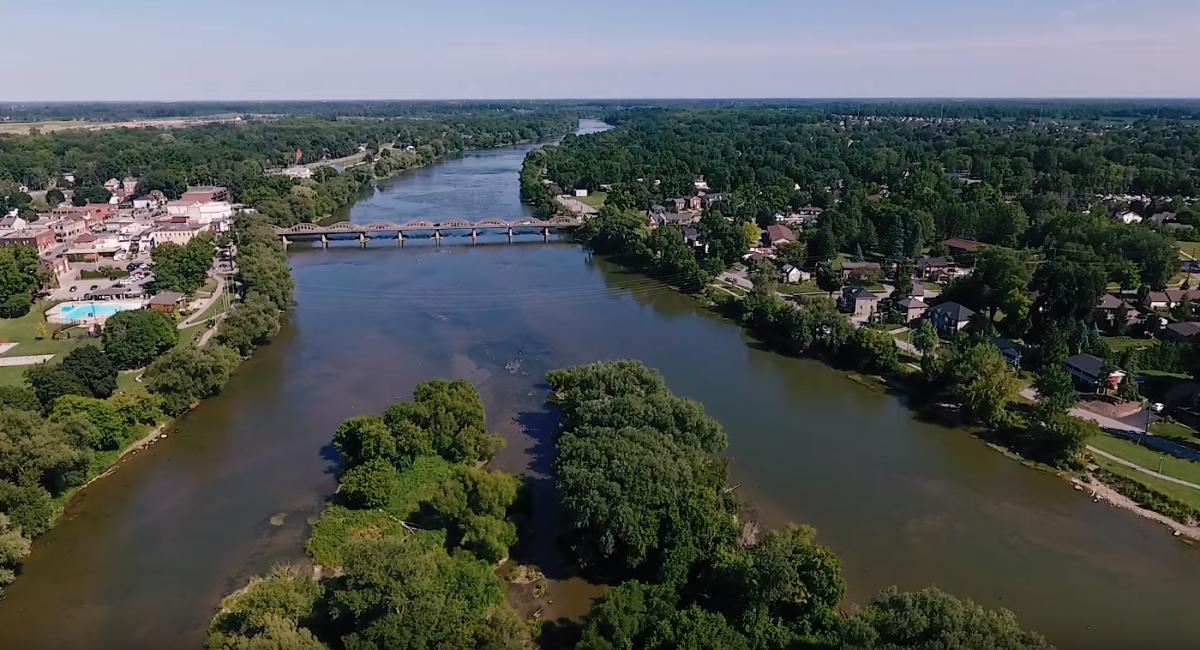
Haldimand County spans diverse geographies, and several external regulators intersect with zoning. Conservation authorities are a recurring character in commercial development. Depending on location, the Grand River Conservation Authority, Long Point Region Conservation Authority, or Niagara Peninsula Conservation Authority may regulate floodplains, erosion hazards, and wetlands. A parcel on the Grand River in Cayuga or along low-lying areas near Dunnville can carry hazard designations that limit building expansions, add engineering costs, or require floodproofing. Those are real dollars and real time, and buyers price them in.
Source water protection areas and wellhead protection zones can restrict certain uses like fuel handling. If your plan involves a gas bar or certain industrial processes, the appraiser will confirm whether the parcel sits inside a vulnerable area and what risk management policies apply. Again, this is not an abstract. It goes straight to permitted tenancy and lender comfort.
Access along provincial highways triggers Ministry of Transportation oversight. New entrances, changes to traffic generation, or drive-thru stacking can require permits. On constrained sites, an otherwise attractive highway commercial parcel loses value if access cannot be improved to suit higher turnover uses.
Parking and loading standards feel mundane, yet they make or break tenant fit. Haldimand’s standards vary by use, but a familiar pattern applies. General retail might sit around three to four spaces per 1,000 square feet, medical office higher, restaurants higher still, and industrial uses rely on truck parking and loading ratios. If a site cannot hit those numbers, the next best tenant mix sets the rent and the value.
Three grounded scenarios appraisers actually see
A small downtown building in Caledonia. Ground-floor retail with a vacant second floor previously used as storage. Zoning permits mixed-use with residential upstairs, no lift required for a two-unit conversion if building code conditions are met, and parking can be addressed by cash-in-lieu or shared municipal lots. Rents for main-street retail are stable, and second-floor apartments would lease quickly. The appraiser models two scenarios. First, as-is income with the upper floor idle. Second, a stabilized case with two apartments. The zoning-supported upside raises value, but not by the full pro forma delta. Costs for code upgrades, staircase adjustments, and timing discount the lift. Still, highest and best use tips toward adding the units, and market participants in this block have shown willingness to pay for that potential.

A highway commercial corner near Dunnville on septic. The owner imagines a quick-service restaurant with a drive-thru. Traffic counts are strong, and the zoning on paper permits the use. Two problems emerge. First, septic load cannot support the seating and turnover implied, and an engineered solution eats most of the site. Second, the highway access geometry triggers MTO concerns that reduce stacking length. The appraiser adjusts rent expectations to a convenience retail or auto service profile, applies a longer lease-up period, and increases the cap rate to reflect the narrower tenant pool. Value is lower than the owner envisioned, and the gap is mostly zoning and servicing friction.
A mid-size industrial parcel near Nanticoke with outdoor storage. Heavy industrial zoning allows fabrication and outdoor storage, but an adjacent rural residential cluster has existed for decades. Minimum separation distances and screening are required, reducing usable yard. The current tenant pays fair rent for indoor space, but the owner believes the yard could command premium storage rent with a different user. The appraiser weighs the constraints, notes conservation authority regulation on a portion of the site, and treats the outdoor area conservatively. The resulting value reflects solid building income but not the speculative yard premium, because zoning and buffers set an upper limit on intensity.
Timing, cost, and probability of change
Investors sometimes ask appraisers to consider rezonings or minor variances in value. That can be appropriate, but only with discipline. In Haldimand County, a minor variance for modest relief on setbacks or parking might take roughly three to six months, with application fees in the low thousands and consulting costs on top. A site-specific zoning by-law amendment often stretches six to twelve months or more, with total soft costs that can reach several tens of thousands when studies are required. Complex conversions or Official Plan amendments can take longer, and success is never guaranteed.
When a value opinion incorporates potential change, we typically assign probabilities and time lags. If approval seems highly likely and aligned with the Official Plan, a probability-weighted income stream may be justified. If the change is a stretch or confronts servicing limits, we model a slower path and greater risk. Lenders take a similar view, frequently holding back funds until site plan approval or final zoning is in hand.
MPAC assessment versus market value
Owners sometimes mix up assessed value with market value. Municipal Property Assessment Corporation, which handles commercial property assessment in Haldimand County, uses mass appraisal to allocate taxation fairly across classes. Market value appraisals for lending, purchase, or litigation are parcel-specific and go deeper on zoning, income quality, and risk. The two numbers often diverge. An owner planning a refinance should rely on a full appraisal, not an assessment notice, especially where zoning or legal non-conformity is in play.
Servicing is not a footnote
It bears repeating because it surfaces so often. Servicing drives effective zoning. Full municipal water and sewer unlock more intense and varied uses, especially food service, medical, and multi-tenant office. Private services narrow the tenant pool and cap floor area. In hamlet commercial settings, a seemingly inexpensive building can turn expensive fast once septic upgrades are required for a higher-demand use. Appraisers account for those realities in rent, downtime, and cap rate.
A short checklist when zoning could sway value
- Pull the zoning map and by-law text for the exact parcel, including any site-specific exceptions.
- Verify conservation authority regulations, floodplain status, and source water protection overlays.
- Confirm servicing type and capacity with the County, and flag any private system limitations.
- Check parking and loading standards against the site plan and realistic tenant mixes.
- Speak with planning staff about minor variance or rezoning likelihood and timelines, not just theoretical permissions.
When non-conforming status helps or hurts
Legal non-conforming uses can be a bridge to a better market or an anchor. A metal fabrication shop that predates today’s mixed-use zoning in a downtown block might command strong rent from the current operator, but the buyer pool for that use in a pedestrian street is thin. If the trend line favors boutique retail and apartments, the appraiser may view the existing use as a drag on redevelopment value and discount accordingly, even if near-term income is fine. The opposite can be true in a peripheral area where a long-entrenched yard use remains legal to continue. The income certainty, scarcity of comparable sites, and the cost to relocate can squeeze cap rates down in favor of the seller.
How lenders read zoning risk
Lenders financing commercial assets in Haldimand County typically examine zoning compliance, legal non-conforming status, and any open approvals. They may require a zoning certificate or letter from the municipality, and they frequently add conditions when value relies on approvals not yet obtained. Common loan responses include lower loan-to-value ratios for properties https://penzu.com/p/49f56588bd4f3696 with uncertain zoning outcomes and holdbacks released upon final site plan approval. For build-to-suit projects, lenders look closely at whether the tenant’s use fits the zone without heavy variances. That scrutiny filters back into pricing. Properties that fit cleanly within zoning enjoy broader lender participation and, by extension, better market liquidity.
Practical differences across Haldimand’s submarkets
Caledonia and Hagersville have seen steady residential growth, which supports main-street retail and service office. Zoning that allows second-storey residential in these cores often underpins value by improving income diversity. Dunnville’s highway corridors are a study in auto-oriented demand, but septic and floodplain issues can make certain intensifications awkward. Cayuga’s civic role means a stable demand for professional services, and parcels near the Grand River demand a careful read of hazard mapping. Industrial assets closer to Nanticoke benefit from long-standing industrial policy, but buyers will test environmental histories and buffering. An appraiser with local experience threads these variations into the valuation rather than assuming a single county-wide template.
Working with the right professionals
Owners and buyers who want a reliable commercial building appraisal in Haldimand County do best when they assemble a small, local team. Commercial building appraisers in Haldimand County bring market data and a zoning-informed perspective. Planning consultants translate the by-law and Official Plan into real pathways, clarifying whether that extra floor or drive-thru is plausible. Civil engineers test servicing assumptions early, saving months of guesswork. Environmental consultants check whether past uses have left a legacy that will complicate approvals. Seasoned commercial appraisal companies in Haldimand County often have those contacts on speed dial, which shortens cycles and improves decision quality.
If the property is land rather than improved, commercial land appraisers in Haldimand County lean even harder on zoning, servicing, and approvals risk. Land value is mostly an expression of what can be built, how soon, and with how much certainty. A five-acre parcel with a clean general industrial designation, proper access, and no conservation flags will price very differently than a similar-sized site hemmed in by buffers and flood constraints.
The valuation mechanics, summarized
Appraisers bake zoning into each approach with judgment informed by evidence. In the income approach, we set rent and vacancy against the practical tenant mix the by-law allows, then shape cap rates to the risk that permissions and servicing create. In the sales comparison approach, we select comparables with similar zoning flexibility, or we adjust transparently for differences that matter. In the cost approach, we test whether the current improvements reflect what zoning would allow if rebuilt today, and we price any functional penalties that arise.
A final word on expectations. In smaller markets, data points can be thin. That does not mean the answer is a guess. It means the analysis has to triangulate using ranges, scenario testing, and grounded conversations with planning staff. That is where experienced commercial building appraisers in Haldimand County add the most value. They know which downtown blocks accept upper-storey units without a fight, which highway sites are stuck on access, and which industrial yards can actually store what a tenant needs without tripping over the by-law.
Common red flags that warrant a second look
- A rent pro forma built on a tenant use that the zone permits only with conditions the site cannot meet.
- Assumptions about a drive-thru, outdoor display, or yard storage that ignore stacking, screening, or buffer requirements.
- A belief that agricultural land will rezone to highway commercial simply because a gas station is nearby.
- Reliance on MPAC assessment as evidence of market value without considering zoning realities.
- A legal non-conforming use viewed as a pure positive in a location where the market is moving away from that use.
Bringing it back to decisions
Zoning is not an afterthought to valuation in Haldimand County. It is a forward control on the income statement, a silent line item in construction cost, and a risk lever that lenders pull in or out. Owners who start with a zoning-aware plan avoid expensive detours. Buyers who read the by-law before they read the rent roll buy better and sleep better. And the appraisals that stand up to scrutiny are the ones that treat the by-law not as a footnote, but as part of the property itself.