Why Accurate Commercial Property Appraisals Matter in Guelph, Ontario
When you work with income producing real estate in Guelph, accuracy in valuation is not a luxury. It frames the loan amount a bank will advance, governs partner buyouts, influences tax positions, and can tip the scales in a sale negotiation. An error of even 3 to 5 percent on a multi million dollar asset can absorb a year of cash flow. That is why owners, lenders, and advisors in Wellington County keep a close relationship with a seasoned commercial appraiser in Guelph, Ontario. A precise number anchored in evidence allows everyone around the table to move decisively.
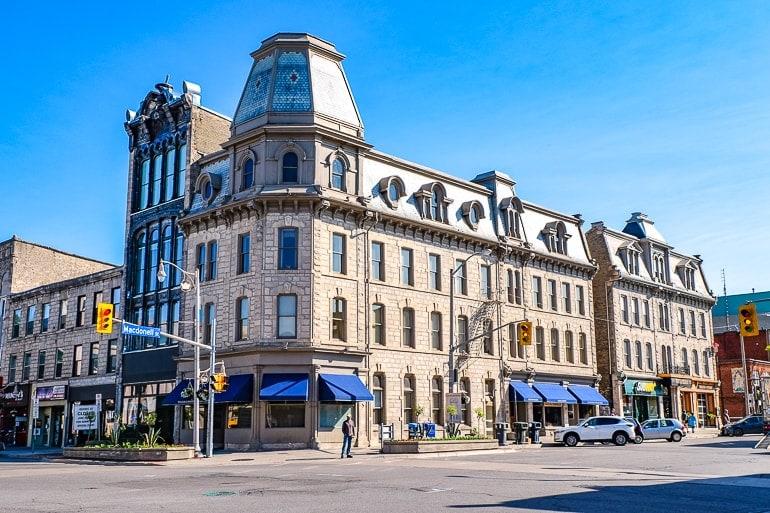
Real estate markets are local, and Guelph has its own rhythm. Industrial buildings tied to the Hanlon Expressway often behave differently from heritage mixed use properties near Norfolk and Wyndham. Institutional anchors like the University of Guelph add a steady undercurrent of demand for certain commercial and multi residential segments, while regional logistics patterns along Highway 6 can lift or slow specific pockets. An appraiser who understands those nuances will not just hand you a report, they will give you a map for decision making.
Where value comes from in commercial real estate
Every credible commercial real estate appraisal in Guelph, Ontario rests on three well known approaches to value, each with different strengths.
The income approach converts anticipated net operating income into value using a capitalization rate or a discounted cash flow. For stabilized assets like a single tenant industrial condo or a fully leased retail strip on Silvercreek, this is often the anchor. Cap rates in Guelph have, in recent years, tended to sit within a band that reflects the city’s mid sized profile and steady fundamentals, often clustering somewhere between the low 5s and high 6s for strong covenant urban retail and edging higher for smaller, management intensive properties. The right number depends on tenant quality, lease term, expense leakage, and location specificity. A national covenant on a net lease will compress perceived risk. A mom and pop diner on a gross lease with short term remaining will not.
The direct comparison approach looks at what similar properties actually sold for. It sounds straightforward, but the details are everything. Was that sale on Woodlawn a sale leaseback at an above market rent, or a vacancy purchase with tenant inducements baked into the price? Did the buyer assume environmental risk or a pending roof replacement? In mid sized markets like Guelph, pure apples to apples comparables can be scarce, so an experienced commercial appraiser in Guelph, Ontario will adjust across differences in size, ceiling height, yard space, loading, age, and even functional utility like column spacing.
The cost approach considers what it would cost to build the improvements today, less depreciation, then adds land value. For special purpose assets or when a property is new construction, this can be persuasive. A modern cold storage facility near the Hanlon with high clear heights and specialized mechanicals will lean on this approach more than a generic office condo. Cost data must reflect local construction pricing, labor availability, and current material volatility. National cost guides are a starting point, but recent competitive tenders from Guelph builders anchor reality.
Good reports rarely rely on one approach alone. They triangulate, using the approach best aligned with the property’s earning power and market evidence, and then sanity check against the others.
Guelph specific factors that move the needle
Zoning and policy direction matter. The City of Guelph’s Official Plan and zoning by law encourage intensification in nodes and corridors, which changes highest and best use over time. A one story retail building with surface parking near a transit corridor can have latent value if mixed use redevelopment is feasible within a medium horizon. An appraiser who reads site specific policies, knows minimum parking ratios, and understands height and density permissions will catch upside or constraints the untrained eye misses.
Transportation access can push industrial and flex values. Proximity to the Hanlon Expressway, the interplay with Highway 401 access via Highway 6, and local truck routes shape the desirability of sites for logistics users. In practice, a 5 minute improvement in trucking egress during peak hours can translate to real rent premiums for certain tenant profiles. Conversely, limited turning radii or residential adjacency with noise restrictions can cap achievable rents.
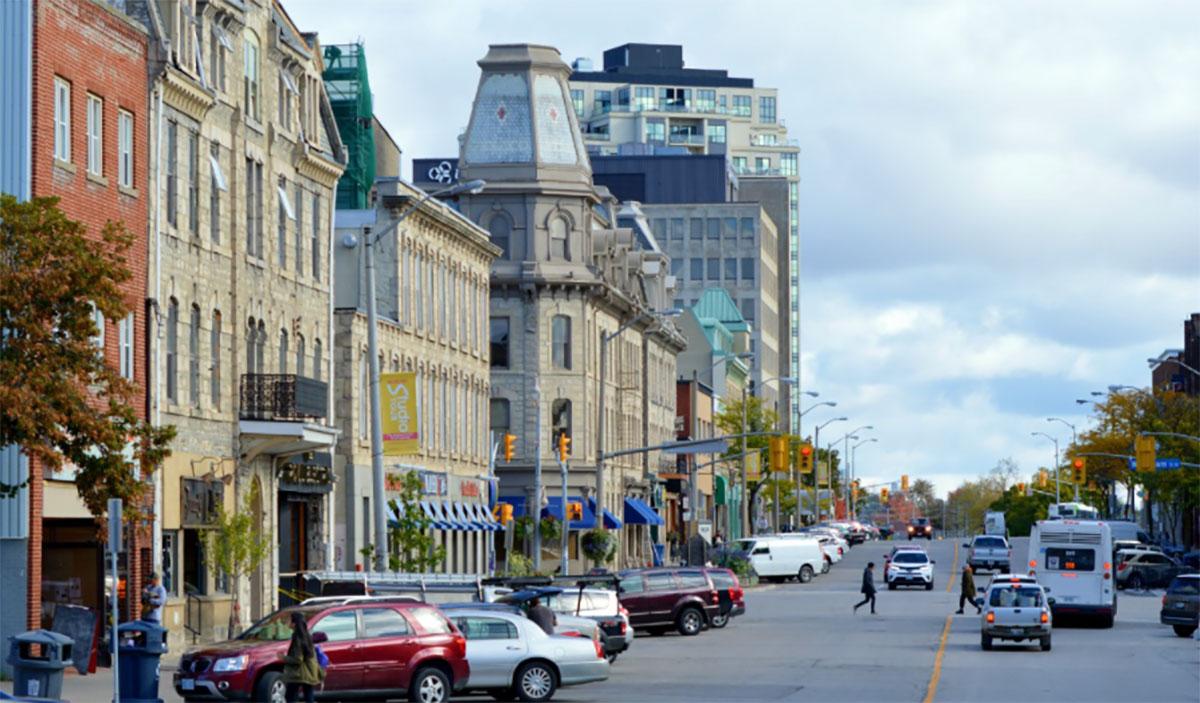
Heritage and character areas in downtown Guelph add both charm and complexity. Designated properties can face exterior alteration constraints and potential cost premiums. They also draw boutique office and retail tenants willing to pay for the experience. A seasoned commercial appraiser in Guelph, Ontario will weigh those trade offs rather than defaulting to a generic discount or premium.
Environmental overlays show up more often than some owners expect. Source water protection policies, nearby wetlands, and historic uses, like legacy automotive or dry cleaning, can trigger Phase I and Phase II environmental site assessments. Lenders often condition financing on clear environmental reports, and a reportable condition can affect marketability and value. An accurate appraisal reflects not only the presence of risk, but the cost and time required to address it.
Lastly, the University of Guelph’s influence is not limited to student housing. Research spillovers, agri food innovation, and spin off companies create steady demand for flex space and office labs. Properties that can be adapted to those uses, with sufficient power, HVAC, and zoning permissions, can capture above average rents on a per square foot basis compared with generic office.
The cost of getting it wrong
The direct costs of an inaccurate valuation are obvious. Overvaluation on a refinance means your loan proceeds fall short at closing, or worse, you over leverage and breach covenants if income underperforms. Undervaluation on a sale can leave six figures on the table in a single transaction.
The indirect costs are more insidious. Missed redevelopment potential slows portfolio growth. Poorly supported value weakens your negotiating stance with lenders, and weak reports can elongate underwriting by weeks. On tax appeals, if your evidence is thin, you may lock in an inflated assessment for years. When you work with commercial appraisal services in Guelph, Ontario that understand both the banking audience and local planning context, those frictions shrink dramatically.
What a credible appraisal looks like
You can spot a strong commercial real estate appraisal in Guelph, Ontario by how it handles the messy parts. Does it clearly state the property’s highest and best use, both as improved and as if vacant, with planning references not just generic statements? Does it reconcile conflicting signals from the income and direct comparison approaches with reasoned judgment, or paper over the difference? Are the rent comparables current enough to reflect post renewal bumps and inducements, not just last year’s face rates?
Look for transparent adjustments. If the report adjusts a comparable by 10 percent for inferior loading, there should be a rationale grounded in market leasing feedback or broker commentary. If vacancy and credit loss are assumed at 3 percent, the report should say why that rate reflects Guelph’s segment specific conditions. In recent years, stabilized vacancy for well located industrial has sometimes hugged the low single digits, while older office stock without modern amenities can sit materially higher. The right figure is asset specific.
Methodology should align with Canadian standards. In Ontario, most lenders and courts expect reports to comply with the Canadian Uniform Standards of Professional Appraisal Practice. Many commercial property appraisers in Guelph, Ontario also hold AACI designation, which signals training in complex income property analysis. Credentials are not everything, but they reduce the odds of a report that crumbles under scrutiny.
Practical examples from the field
A small manufacturer owned a 22,000 square foot building near the Hanlon with two truck level doors and modest office buildout. They were ready to sell and expected a price anchored in a clean income approach, capitalizing current below market rent from an affiliated user. A careful appraiser noted the gap to market rent, weighted the likelihood and timing of a lease up to market, and used a blend of direct comparison and income approaches. The reconciliation landed higher than the owner’s initial ask, supported by local sales that reflected land to building ratios and clear heights in demand by logistics users. The property sold to a third party investor who re tenanted at higher rents within six months. The appraisal did not inflate value with rosy assumptions, it simply captured the market a user focused owner had overlooked.
Another case involved a two story brick mixed use on a side street downtown, with a restaurant below and apartments above. The owner wanted to refinance based on a gut feeling that restaurant risk required heavy discounts. The appraiser walked the block, read the leases carefully, and documented the building’s recent capital upgrades. They adjusted for gross lease expense leakage in the income approach and pulled sales of similar character buildings within the core. A modest premium for location stability and tenant sales resilience through previous slowdowns was justified with evidence. The lender advanced more than the owner anticipated, still within a conservative loan to value, which freed capital for a neighbouring acquisition.
Timing, market cycles, and lender expectations
Appraisals are a snapshot. In periods of rate volatility, the spread between buyer and seller expectations widens, and comparable sales thin out. A thoughtful commercial appraiser in Guelph, Ontario will widen the data set, explain which comparables carry more weight, and be explicit about the margin of error. Lenders respond well to clarity about uncertainty. If cap rates are moving, a discount rate sensitivity table in a cash flow model can frame risk in a way credit committees appreciate.
Banks each have their own requirements. Some insist on a full narrative report for loans above a threshold, while others accept shorter forms for smaller deals. Many will require reliance language and be particular about extraordinary assumptions, especially with properties that have unpermitted mezzanines or non conforming uses. If you are ordering the report, ask your lender for their current scope so you do not pay for a redo.
MPAC assessments versus market value appraisals
Owners sometimes ask why their MPAC assessed value diverges from an appraisal’s market value. The answer lies in purpose and timing. Assessments target a valuation date set by the province and aim to distribute property tax fairly across the tax base. They rely on mass appraisal techniques that do not fully capture each property’s specifics. A commercial property appraisal in Guelph, Ontario is a bespoke analysis keyed to a current or specified date and the purposes of financing, sale, litigation, or financial reporting. On tax appeals, a strong narrative appraisal that drills into lease terms, vacancy, and functional utility can be decisive.
Highest and best use, properly tested
The question of what a site should be used for is not philosophical. It is a structured test: physically possible, legally permissible, financially feasible, and maximally productive. In Guelph, a shallow depth retail parcel may not physically support structured parking without an easement or lane access. A warehouse may be legally barred from intensifying due to setback or coverage limits. A mid rise proposal might be financially feasible only if assembled with the neighbor to unlock density. The best appraisals do not treat highest and best use as boilerplate, they show the math and the planning context.
Environmental and building condition realities
Commercial valuation is tightly linked to due diligence. If a Phase I environmental assessment flags historical operations that warrant a Phase II, the associated time and cost can chill buyers. Even if remediation is not ultimately required, the market will price the uncertainty. Similarly, building condition reports that highlight roof end of life or outdated HVAC inform reserve assumptions and capital deductions in a cash flow. A commercial real estate appraisal in Guelph, Ontario that ignores these factors will look optimistic and can be rejected by lenders.
Tenant quality and lease structures
Rents are not all created equal. A $20 per square foot net rent from a private local tenant with two years remaining and minimal security is not the same as a $20 net rent from a national covenant with eight years left and annual escalations. Options to renew at fixed rates can cap future upside. Gross leases mask expense risk. Percentage rent and breakpoints in retail add upside potential that is real but variable. Appraisers who dig into estoppels, TIs, landlord work letters, and assignment clauses produce values that hold up.
How to work with your appraiser for the best outcome
Accuracy is a collaboration. The best reports start with a candid kickoff, clean data, and realistic timelines. Appraisers are not advocates, they are independent experts, but well prepared owners help reduce uncertainty and cost.
Here is a short checklist owners and brokers in Guelph find useful when ordering commercial appraisal services in Guelph, Ontario:
- Current rent roll with lease start and expiry dates, options, rent steps, and any abatements
- Copies of key leases, amendments, and any side letters or inducement agreements
- Recent capital expenditures with amounts and dates, plus planned projects
- Site information, including surveys, easements, environmental and building reports
- Notes on any recent offers, broker opinions, or off market feedback relevant to value
Providing these up front prevents costly rework and supports a tighter range of value.
The appraisal process, step by step
For clients new to it, the process is structured but not opaque. A credible commercial appraiser in Guelph, Ontario will typically:
- Define scope and purpose with you and any third party like a lender, including the value date and report format
- Collect data, inspect the property, and verify municipal and planning details, including zoning compliance
- Analyze market evidence, build the valuation using relevant approaches, and test assumptions against local realities
- Reconcile indications of value, document reasoning, and apply any extraordinary assumptions clearly
- Deliver the report, address lender or client questions, and, if needed, update for new information within a defined window
Turnaround can range from one to three weeks depending on complexity and market data availability. Complex assets with specialized improvements or limited comparables can take longer, and lenders appreciate early notice when timelines stretch.
Special situations where precision is critical
Expropriation and partial takings require careful analysis of before and after values, severance damages, and potential injurious affection. The math is technical, and success depends on both valuation rigor and legal coordination. In these cases, commercial property appraisers in Guelph, Ontario who have testified in court and understand Ministry processes can materially affect outcomes.
Partnership disputes and shareholder buyouts hinge on definitions of value, whether fair market value or fair value, and on normalization of income. Non recurring expenses, owner salaries embedded in operating costs, and related party leases all need adjustment. If the subject is a development site, entitlements in the pipeline must be analyzed with probabilities and timelines, not wishful thinking.
For property tax appeals, cost and income evidence should be aligned with MPAC’s valuation date and methodology, even while arguing for a different conclusion. Reports that ignore the assessment framework can be technically sound yet ineffective.
The Guelph market in context
Guelph is neither Toronto nor a rural outpost. It is a tight, economically diverse city with manufacturing, agri food, education, and professional services all contributing. That balance tends to create steadier tenancy than single industry towns. Industrial remains a core strength, with demand for modern clear height space and decent yard areas. Older industrial with low ceiling heights or limited loading commands a discount unless repurposed. Office is polarized. Buildings with good parking, natural light, and walkable amenities do better, while older, deep floor plate buildings without upgrades face pressure. Retail splits between convenience anchored neighborhood centers that trade well, and marginal B locations that rely on creative leasing.
Cap rates and rental rates move within ranges that reflect tenant covenant, lease term, location, and building functionality. If a report quotes a single figure without context, ask for sensitivity. The best appraisals show how a 50 basis point shift in cap rate or a small change in stabilized vacancy could move value, which is exactly the kind of analysis credit committees and investment partners want to see.
Choosing the right professional
Not every assignment needs the same level of horsepower, but trust the complexity of the asset and the stakes of the decision to guide your choice. For a single tenant industrial building on a straightforward net lease, a streamlined narrative from a qualified commercial appraiser in Guelph, Ontario may be enough. For a mixed use redevelopment site with assembly potential and planning nuance, you want a senior appraiser with deep land and development experience. Ask for sample reports, confirm recent work on similar properties, and make sure they carry appropriate insurance and comply with Canadian standards.
Compatibility matters too. You want someone who picks up the phone, pushes back where your assumptions stretch, and explains technical points in plain language. That combination of independence and communication produces reports that stand up in front of lenders, auditors, or tribunals.
Bringing it together
An accurate commercial property appraisal in Guelph, Ontario does more than hit a number. It translates local knowledge into defensible judgment. It reconciles imperfect market evidence. It anticipates the questions your lender or partner will ask. When you combine that caliber of analysis with timely, complete information about your property, you turn valuation from a box to check into a genuine advantage.
Whether you are refinancing an industrial condo near the Hanlon, evaluating a downtown mixed use https://daltonsybp874.cavandoragh.org/commercial-real-estate-appraisal-in-guelph-ontario-for-purchases-and-sales purchase, or preparing a tax appeal, the right commercial appraisal services in Guelph, Ontario provide clarity precisely where uncertainty is most expensive. And in a market that rewards preparation and pragmatism, clarity is worth real money.